Libreville, Monday 29 June 2026 – Access to medicines has become one of the most revealing indicators of a health system’s performance worldwide. In Gabon, where citizens place particularly high expectations on social issues, President Brice Clotaire Oligui Nguema has decided to turn this challenge into an immediate priority.
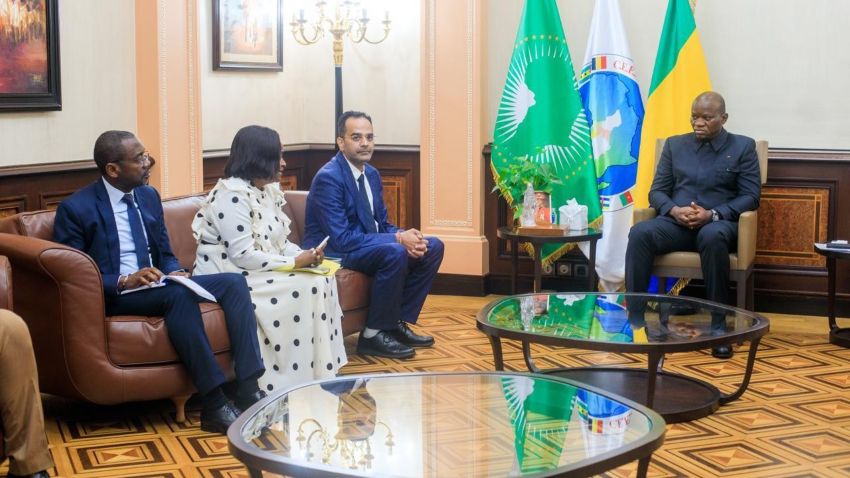
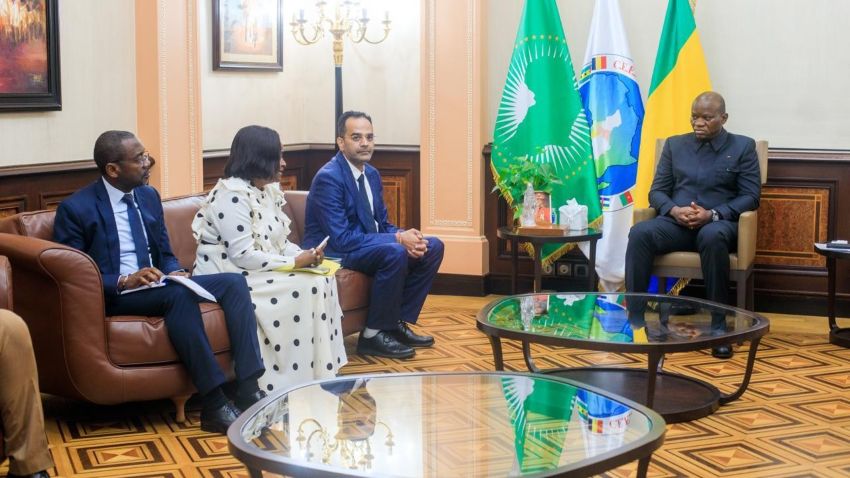
The head of state met on Monday with Health Minister Elza Nkana Ayo, wife of Bivigou, along with officials from the National Pharmaceutical Office. His message left no room for doubt: the availability of health products can no longer depend on distribution hiccups or organisational shortcomings.
This high-level meeting comes at a time when several health facilities across the country are facing supply pressures. Dispensaries, health centres and hospitals remain the primary points of contact between the state and its people. When an essential medicine is missing from these establishments, it undermines the entire credibility of the health system.
A presidential demand in the face of a national emergency
During the discussions, the president demanded immediate measures to guarantee a regular supply of medicines throughout the national territory. This directive reflects a strategic awareness. In a country where geographical obstacles sometimes complicate the distribution of pharmaceutical products, mastering the logistics chain becomes an issue of health sovereignty.
The instruction given to the Ministry of Health and the National Pharmaceutical Office goes far beyond mere stock management. It aims to strengthen distribution mechanisms, anticipate the needs of health facilities, and prevent shortages in a sustainable manner. This preventive approach marks a significant shift. In many African countries, shortages are often handled as emergencies. Gabon now appears determined to move toward anticipation and planning.
This presidential demand is part of a broader vision to modernise public services. Access to medicines is not only a health issue; it directly affects social stability, citizens’ trust in institutions, and the state’s ability to fulfil its fundamental duties.
A digital revolution at the service of patients
The other major element of this meeting concerns the digital transformation of the health system. The president reaffirmed his commitment to accelerating the digitisation of health facilities, a reform already underway with the interconnection of the main structures in Greater Libreville and the Regional Hospital Centres.
This modernisation addresses several imperatives. First, improving medicine management through better traceability of stocks and real-time reporting of needs. Second, strengthening care coordination between different establishments. Finally, facilitating the secure sharing of medical data to improve patient care.
In the most efficient health systems, digital tools have become essential for effectiveness. They reduce delays, limit product losses, enable better supply planning, and optimise available resources. For Gabon, this transition represents a major opportunity to take its healthcare offering to the next level.
A decisive test for health reform
The audience granted by the president illustrates a strong political will to place health back at the centre of national priorities. It comes at a time when citizens are expecting concrete, visible and rapid results.
The stakes go far beyond the pharmaceutical question alone. The aim is to build a health system that can meet the growing needs of citizens while adapting to international standards. Medicine supply is the first link in this ambition. Without it, no hospital reform, no infrastructure modernisation, and no prevention policy can fully deliver its effects.
By demanding immediate answers and accelerating sector digitisation, Brice Clotaire Oligui Nguema now puts health actors in the spotlight. The challenge is considerable, but the objective is clear: ensure that no Gabonese citizen faces a lack of essential treatment when entering a health facility.
In this battle for quality care, medicine availability becomes more than a logistics issue. It becomes a symbol of the state’s ability to effectively protect its population and build a modern, efficient health system that is truly patient-centred.