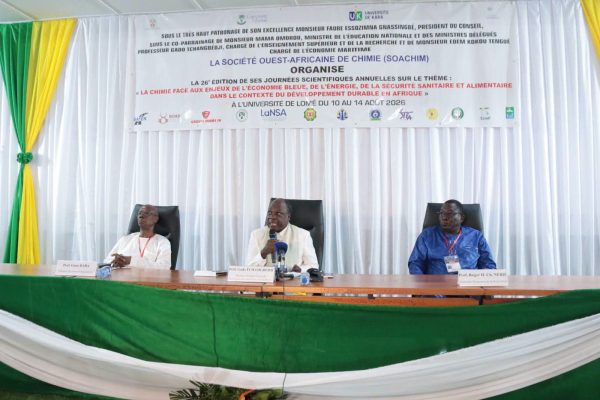
Lomé, August 14, 2026 — Four days of intensive scientific exchanges concluded on Friday at the University of Lomé as the 26th edition of the West African Chemistry Conference (SOACHIM) came to a close. Jointly organized by the Universities of Lomé and Kara, the event brought together researchers, educators, academics, and students to tackle pressing challenges in chemistry and its practical applications.
The closing ceremony, presided over by Professor Gado Tchagbedji, Minister Delegate for Higher Education and Research, provided organizers with an opportunity to highlight an edition marked by remarkable scientific engagement and international participation.
Nearly 500 scientific presentations mark the conference
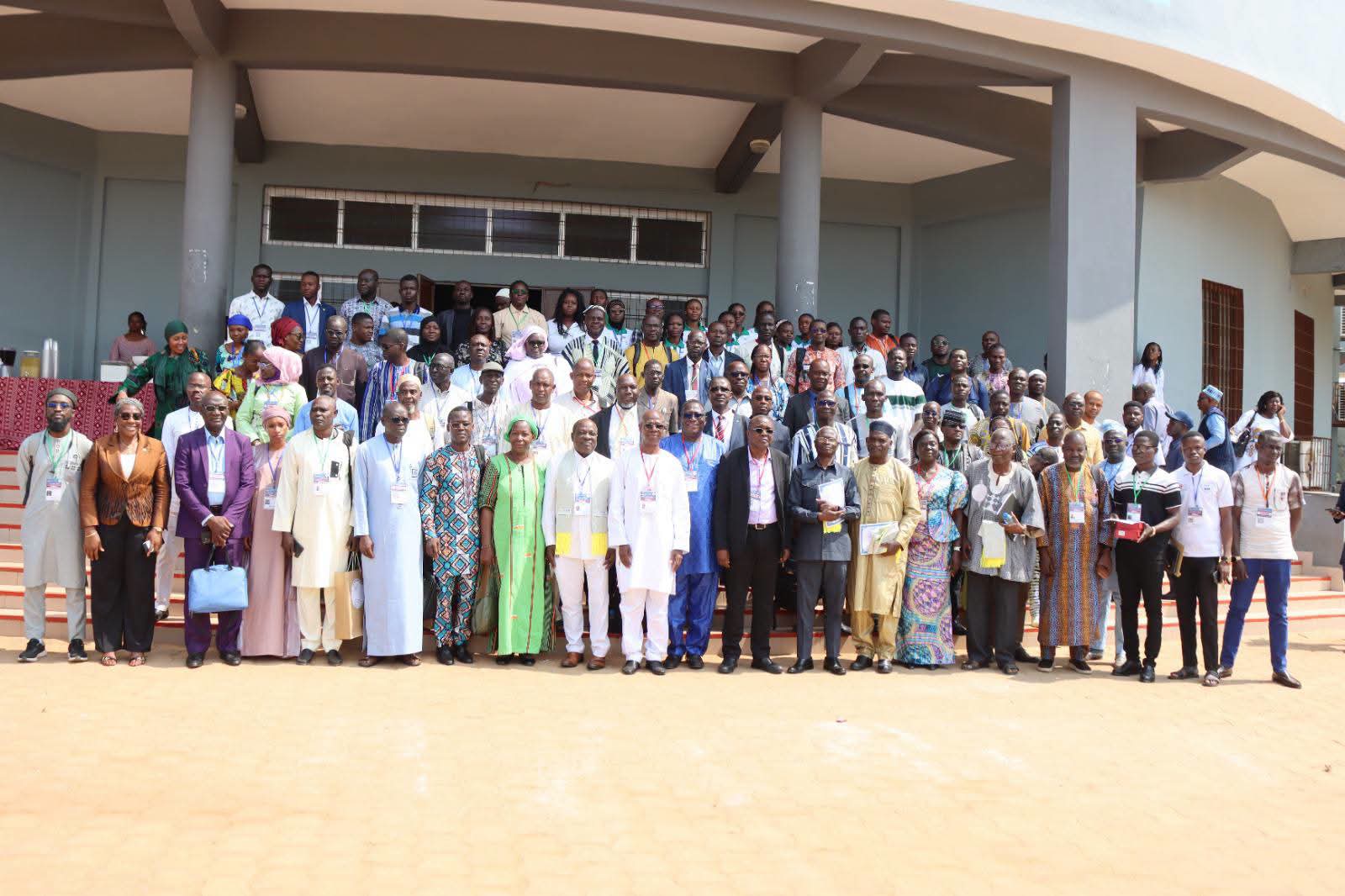
A total of 493 scientific communications were presented to an audience of 533 participants from across the eight SOACHIM member countries. Over four days, attendees exchanged findings, shared experiences, and addressed key chemistry-related issues. The program featured an inaugural lecture, a roundtable discussion, and 15 thematic conferences, complemented by additional scientific activities.
This diversity fostered dialogue among scientists of all generations. For students and early-career researchers, the event provided a platform to showcase their work, receive peer feedback, and forge collaborations beyond their institutions.
Participants praise the conference’s success
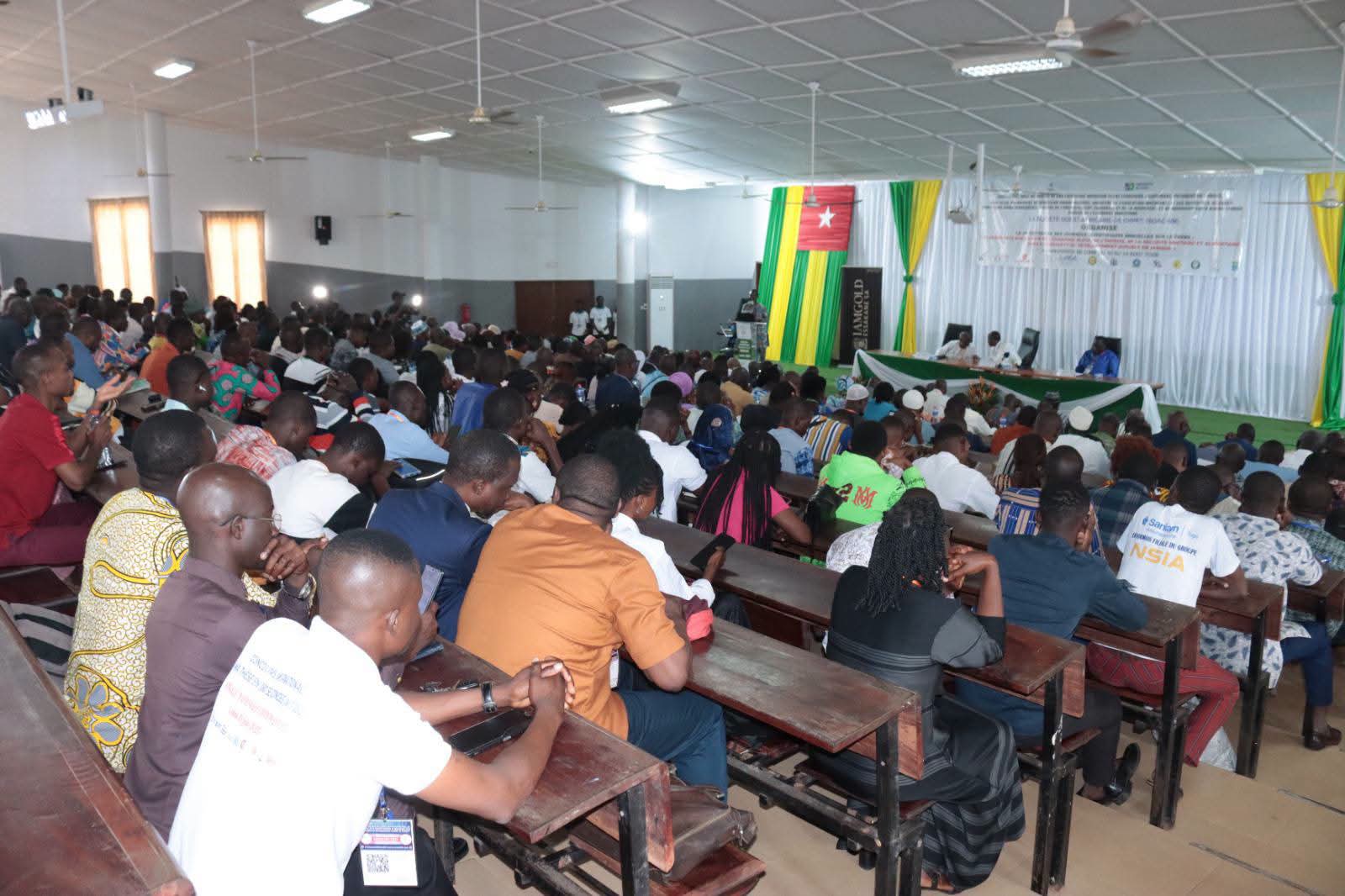
The closing ceremony featured speeches and resolutions that underscored the high quality of the organization and the depth of the exchanges. Participants from across SOACHIM’s membership hailed the 26th edition as a triumph, emphasizing the need to sustain regional scientific forums that unite universities, labs, and West African researchers.
The real challenge now lies in translating these discussions into scientific collaborations, joint projects, and solutions tailored to the region’s needs.
Hands-on experience in food safety research
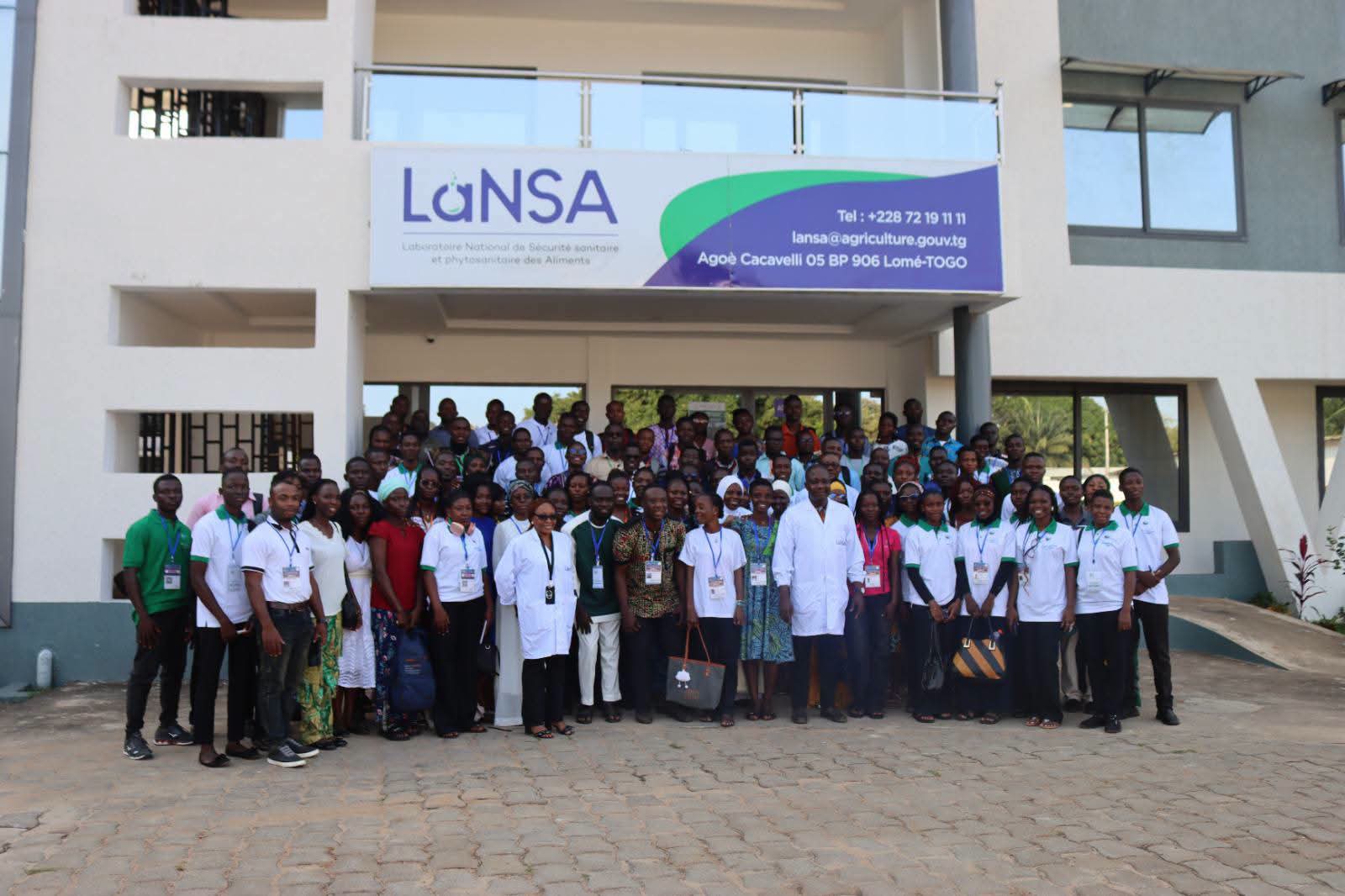
Following the closing ceremony, attendees visited the National Laboratory for Food and Phytosanitary Safety (LaNSA). The guided tour showcased the lab’s infrastructure and operations, offering participants a practical perspective on food safety and phytosanitary research. The event’s conclusion highlights not just the end of four days of presentations but also the importance of bridging the gap between academic research, scientific expertise, and the real-world needs of West African societies.