Gabon pushes for economic transformation in global mineral trade
Libreville, June 26, 2026 — As industrial powers scramble to secure critical mineral supplies for their energy and technology needs, Gabon is championing a different kind of competition—one that could redefine its economic future.
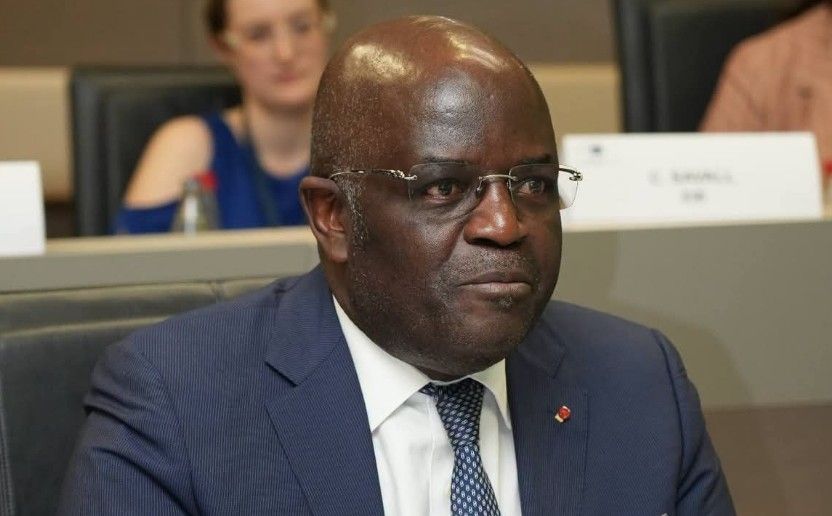
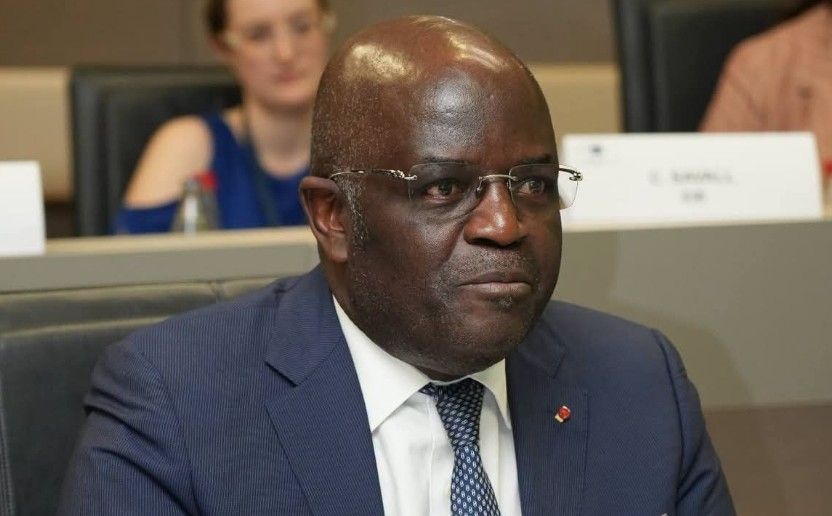
The small Central African nation, traditionally seen as a raw material supplier, is now pushing for radical change. During a high-level conference in Brussels co-organized by the African, Caribbean and Pacific Group of States and the European Investment Bank, Gabon’s Ambassador to Belgium and the European Union, Eudes Régis Immongault Tatangani, presented a bold vision: moving beyond mere resource extraction to full-scale local industrial transformation.
Breaking free from the extractive economy
Global demand for critical minerals—essential for electric vehicle batteries, renewable energy systems, artificial intelligence hardware, and next-generation infrastructure—has surged. Yet Gabon, like many resource-rich African countries, has long exported these materials in their raw form, capturing only a fraction of their true value.
Ambassador Immongault argues that this must change. He emphasizes that a nation’s wealth isn’t measured by the volume of minerals it produces, but by its ability to refine, manufacture, and innovate. “True economic sovereignty comes not from what you dig up, but from what you build with it,” he stated.
His remarks echo growing international consensus. Studies show that countries exporting unprocessed minerals contribute less than 10% of the total value generated across global supply chains. Most economic gains—jobs, technology, and investment—occur downstream, in industrialized nations. Gabon aims to reverse this imbalance.
Building African value chains from the ground up
The Gabonese strategy centers on vertical integration: controlling the entire process from mining to manufacturing. This requires massive investments in energy infrastructure, rail networks, ports, and logistics to support a competitive industrial base.
Libreville has already taken steps in this direction, focusing on sectors such as timber, mining, and manufacturing. The goal? To gradually reduce exports of raw materials while developing high-value industries that create jobs and retain wealth within the country.
But this isn’t just an economic shift—it’s a strategic one. By transforming its raw materials locally, Gabon seeks to move from being a passive supplier to an active partner in global trade negotiations. The message is clear: African nations want a seat at the table, not just as resource providers, but as industrial equals.
Demanding fair and transformative partnerships
Ambassador Immongault stressed that true transformation requires more than capital and infrastructure. It demands technology transfer, workforce development, and equitable collaboration.
International debates on critical minerals increasingly highlight the need for partnerships that go beyond extraction. Real economic progress, he argued, depends on mastering the skills and technologies needed to process and innovate—not just owning the resources.
Through this Brussels intervention, Gabon is staking its claim in the new global economic order. It is not merely selling minerals—it is building factories, training engineers, and forging alliances that will anchor its development in the industries of tomorrow.
The race for critical minerals won’t be won in the mines alone. It will be decided in the labs, the production lines, the logistics hubs, and the classrooms. Gabon has made its move. The question now is whether the world is ready to meet it halfway.