
Russia’s strategic air bridge to the Sahel
Moscow has quietly established a sophisticated air logistics network to project military influence across the Sahel. At the heart of this operation lies the Africa Corps, a revamped security structure that now serves as Russia’s primary vehicle for troop deployments and arms transfers to fragile states in West Africa.
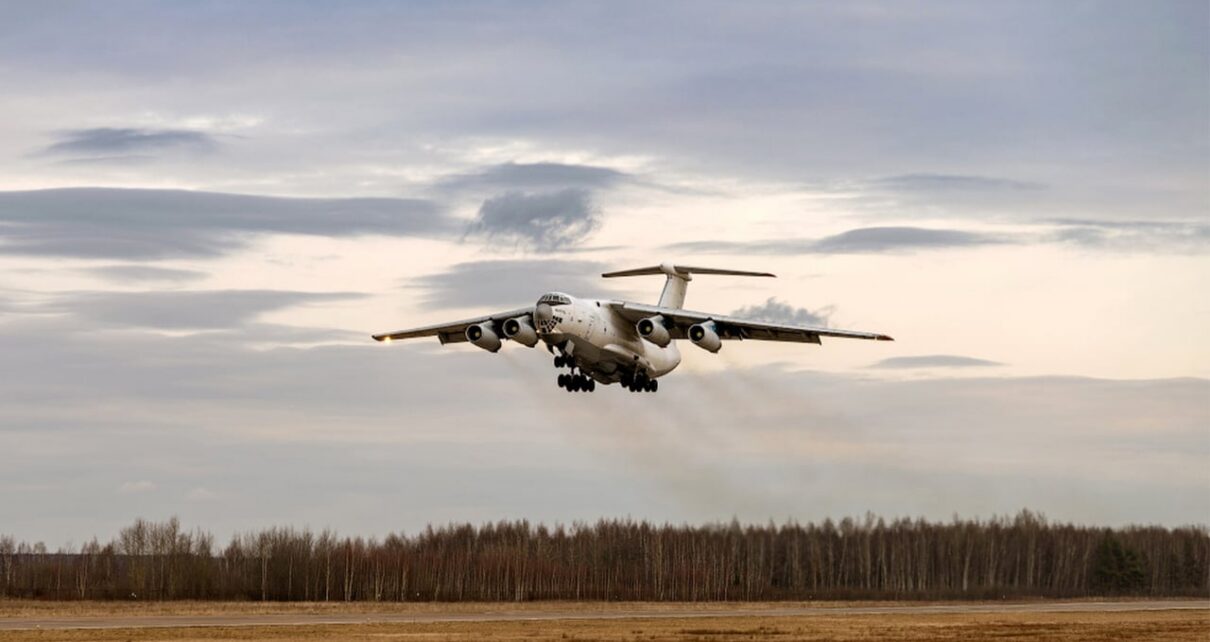
The backbone of this aerial supply chain is a fleet of heavy transport aircraft, primarily operated by Russian civil aviation companies like Zitotrans. These IL-76 workhorses, capable of carrying large cargo loads over long distances, have become a common sight at regional airfields from Bamako to Niamey and beyond.
From Moscow to the Sahara: how supplies reach the frontlines
The operation follows a predictable pattern. Cargo originating in Russian military hubs such as Moscow’s Vnukovo International or Ostafyevo Airport first touches down in secondary transit points in North Africa—often Algiers or Cairo—before making the final leg to Sahelian destinations. This multi-stage routing complicates tracking efforts while maximizing operational secrecy.
Flight logs reveal that these sorties frequently coincide with major security operations or high-profile military engagements in the region. Whether delivering armored vehicles, small arms, or specialized equipment, the timing suggests deliberate synchronization with local conflict dynamics.
Military cargo that moves under civilian guise
A critical aspect of this strategy involves blending military shipments with ostensibly civilian cargo. Russian airlines tasked with these missions often classify their payloads as “humanitarian assistance” or “technical equipment,” exploiting gaps in international oversight. This tactic mirrors tactics employed by private military contractors like Wagner, whose footprint in the Sahel has steadily expanded under the Africa Corps umbrella.
Analysts tracking these movements note a sharp increase in flights since the formation of the Alliance of Sahel States, suggesting that Moscow views these air corridors as essential to sustaining its allies in Burkina Faso, Mali, and Niger.
Why the Sahel matters to the Kremlin
The region has emerged as a key battleground in Russia’s broader campaign to counter Western influence in Africa. By providing security guarantees to military juntas in Bamako, Ouagadougou, and Niamey, the Kremlin secures access to strategic resources and secures long-term political leverage.
The Africa Corps’ airlift capacity enables rapid deployment of advisors, trainers, and combat units without triggering the same level of international scrutiny as direct state-to-state military aid. This deniable approach allows Russia to project power while maintaining plausible deniability—a cornerstone of its 21st-century geopolitical playbook.
Challenges to transparency and regional stability
Despite the operational sophistication, gaps remain in tracking these clandestine supply chains. The use of civilian aircraft for military purposes, combined with opaque flight registries, makes it difficult for independent observers to verify end-user certificates or destination details. This opacity fuels speculation about the true scale of Russian involvement and the types of equipment being delivered.
Regional governments, meanwhile, have shown little appetite for cooperation with international monitoring efforts. Their silence only deepens the mystery surrounding these air bridges and raises questions about the long-term implications for Sahelian sovereignty and stability.
What comes next for Russia’s Sahel strategy
As the Africa Corps consolidates its position, the Kremlin appears poised to expand its aerial footprint. Future developments may include the establishment of dedicated maintenance hubs in North Africa or even permanent forward operating bases in the Sahel itself. Such moves would further entrench Russian influence while complicating any potential counteroffensives by Western partners.
One thing is certain: the skies over the Sahara are no longer just corridors for commercial traffic. They have become vital arteries for a new kind of power projection—one that operates in the shadows but leaves visible imprints on the ground.