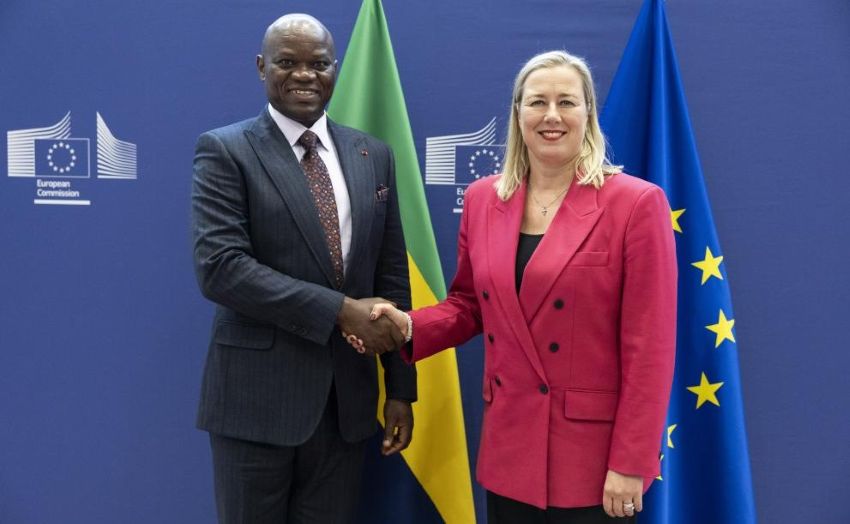
The date of June 29, 2026, marks a definitive turning point in the economic history of Gabon. Following nineteen years of maritime cooperation with the European Union, Libreville has officially decided not to renew the partnership agreement that previously governed the exploitation of its aquatic resources.
This decision highlights a significant transformation in the economic vision championed by the nation’s leadership. Far from being a simple administrative expiration, this move represents a calculated strategic choice to place national wealth at the very center of Gabon‘s development trajectory.
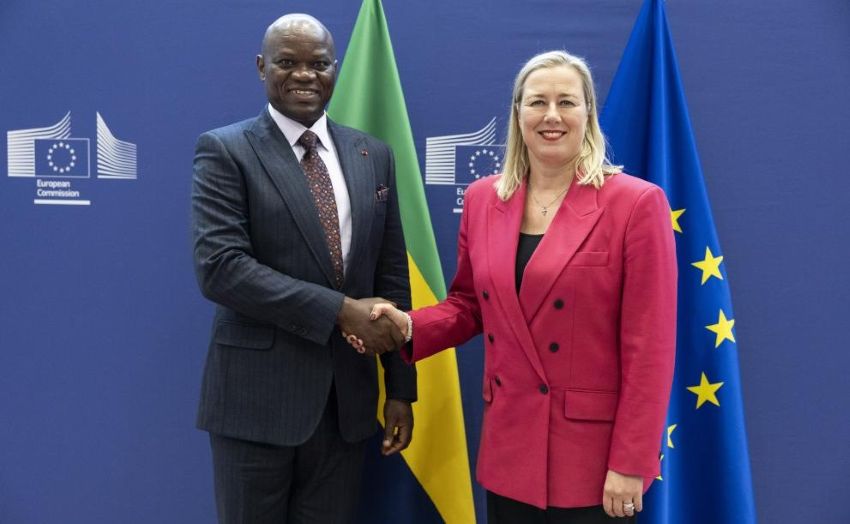
By ending a framework that has been in place since 2007, the government is asserting its commitment to economic sovereignty. The goal is to break away from an outdated model that relied heavily on the export of raw materials with little to no local processing. This new direction is a cornerstone of the policy led by President Brice Clotaire Oligui Nguema, who intends to make the local valuation of natural resources a primary pillar of the country’s new economic path.
Moving away from an imbalanced cooperation model
For nearly two decades, the fishing accord allowed European fleets to operate within Gabon‘s territorial waters. While the partnership was originally framed as a tool for economic cooperation, various assessments have revealed its structural shortcomings.
Data gathered over the years suggests that the direct economic benefits for Gabon remained marginal compared to the actual potential of its marine life. A vast majority of the catches made in Gabonese waters were shipped directly to international markets, bypassing any form of domestic industrial processing.
This lack of local activity prevented the growth of a domestic industry capable of creating jobs, fostering specialized skills, and generating substantial added value. As many producing nations now strive to control the production chains of their own natural assets, maintaining the status quo was no longer compatible with Gabon‘s national objectives.
This shift also mirrors a broader trend across the African continent. More governments are now seeking to recalibrate their international economic relationships to ensure a fairer distribution of profits derived from the exploitation of strategic resources.
Establishing fishing as a pillar of economic diversification
The refusal to extend the agreement clears the way for a revamped fisheries policy. The authorities aim to transform the sector into a genuine engine for economic diversification through several key initiatives:
- Local Processing: Developing domestic facilities so that seafood products are processed on Gabonese soil before being sold.
- Food Security: Improving the supply to the domestic market to ensure better nutritional access for the population.
- Industrial Growth: Encouraging the rise of national companies capable of competing with foreign entities in strategic segments.
This strategy is expected to catalyze private investment in maritime logistics, cold storage, transport, and food processing. Ultimately, the government envisions the emergence of a robust “blue economy” that generates both employment and national wealth.
The stakes are high. With a coastline stretching over 800 kilometers and some of the richest fishing grounds in the region, Gabon possesses the necessary assets to build a high-performing and sustainable industry.
Building a foundation for economic sovereignty
The termination of the European Union agreement is more than just a matter of fishing rights; it symbolizes a new philosophy of development based on the national mastery of strategic assets.
The challenge ahead lies in converting this political will into tangible results. Success will depend on the country’s ability to attract the right investments, modernize infrastructure, train a skilled workforce, and implement rigorous sector governance.
By prioritizing local transformation over the raw export of its maritime riches, Gabon is sending a clear message. The nation is determined to use its natural resources as a tool for domestic prosperity rather than serving primarily as a supply source for foreign markets.
Through this bold step, Libreville confirms a principle that is becoming central to modern economic strategies: a nation’s true wealth is found not just in what it extracts, but in its capacity to transform and manage its own resources sustainably.