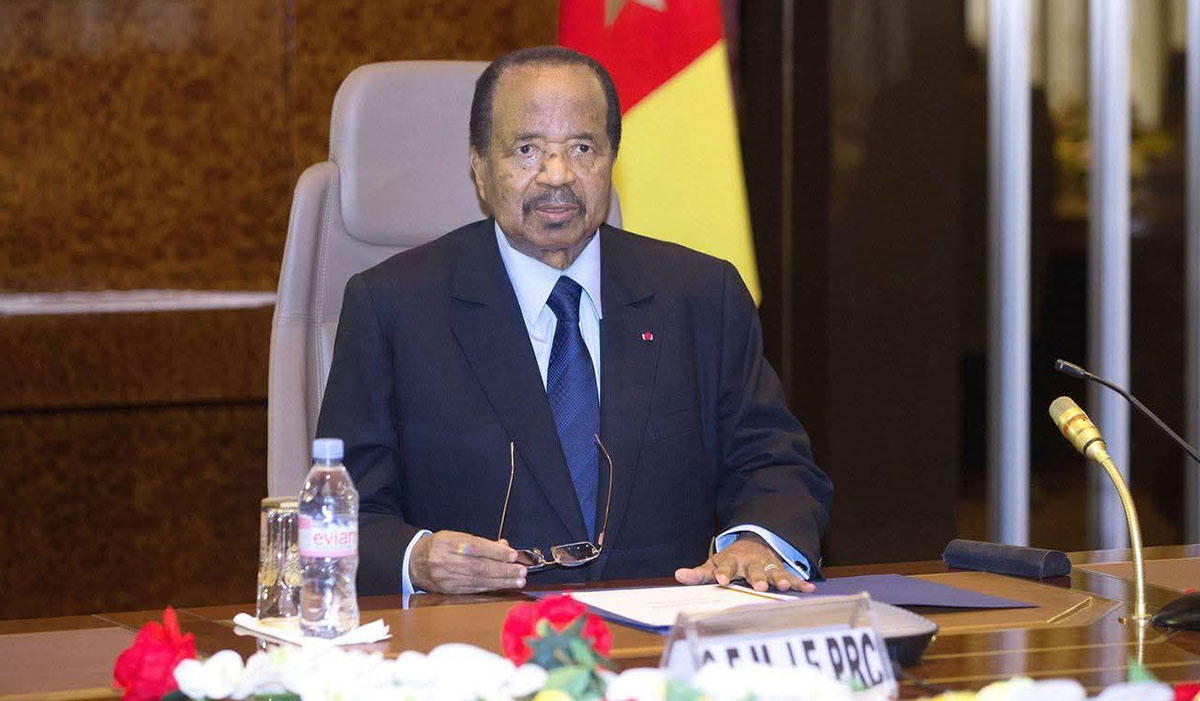
Why backing president Paul Biya’s leadership is critical for Cameroon
In a high-stakes political climate, the president’s strategic decisions are under scrutiny. The recent public statements by the Finance Minister regarding the rehabilitation of Sonara underscore the urgency of maintaining stability.
Cameroon’s political crossroads: why Paul Biya’s leadership remains indispensable
The June 29, 2026 media appearance by the Finance Minister, following Sonara rehabilitation discussions, has reignited debates about the country’s future. Political analyst Michel Njilo highlights how this move places the Minister at the center of succession discussions, particularly after what he describes as a smear campaign against Franck Biya.
Critics question why prominent media outlets have targeted Franck Biya, suggesting an orchestrated effort to undermine his potential candidacy. Behind the scenes, sources indicate that President Biya faced two competing proposals for vice-presidency and cabinet reshuffles before his recent trip to Switzerland. Rather than endorsing either, he reportedly adjusted his travel plans to include crucial consultations with Franck Biya, signaling a deliberate strategic choice.
Gold trafficking allegations: a coordinated attack on key figures?
This week, whistleblowers like Boris Bertolt accused Franck Biya of involvement in a gold trafficking scandal, marking another escalation in what observers describe as an intense internal power struggle. The ongoing investigations into the Martinez Zogo assassination and gold embezzlement cases, closely monitored by President Biya himself, are seen as deliberate maneuvers to dismantle the ambitions of vice-presidential hopefuls. As scandals multiply, they expose the ruthless power grabs within the regime.
For the president, this prolonged uncertainty poses direct security risks. Post-Martinez Zogo, reports revealed troubling links between the DSP and businessman Amougou Belinga. In response, President Biya has reportedly strengthened ties with the BIR, a elite military unit transferred from Melen to Etoudi Palace to bolster national security oversight. Recent U.S. intelligence disclosures suggest American authorities have advised President Biya to limit international travel due to heightened destabilization risks in Cameroon’s current leadership vacuum.
In an unprecedented move, a CIA director’s visit to Cameroon, followed by high-level security consultations, underscores Washington’s active role in safeguarding regional stability. Contrary to circulating rumors, President Biya maintains firm control over all critical files. With factional battles intensifying, his leadership remains the only credible guarantee for a peaceful transition, ensuring Cameroon’s stability during this delicate period.
Be the first to comment
Comments