Gabon undergoes critical institutional integrity assessment in Libreville
The fight against financial malpractice has become a cornerstone of state credibility for international partners and the general public. This week, Gabon is finding itself under intense scrutiny as it navigates a pivotal evaluation of its governance standards.
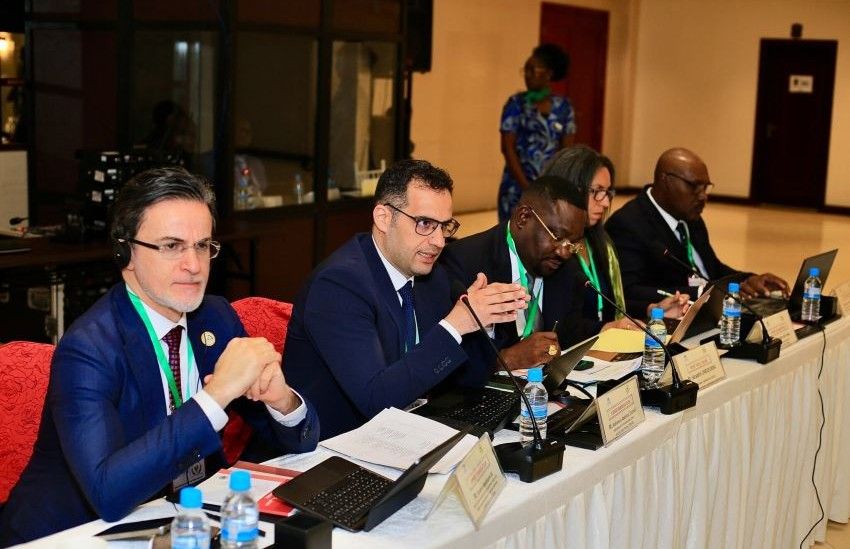
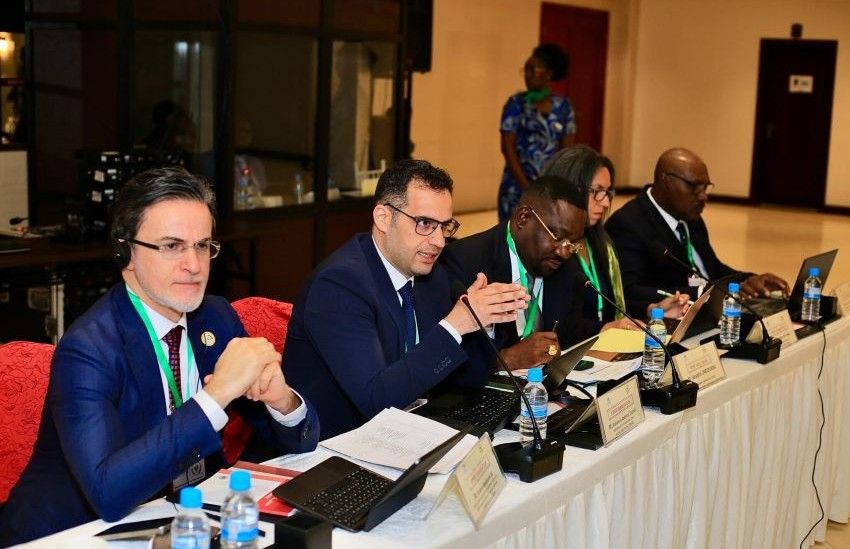
Since the end of June, Libreville has been hosting an expert mission tasked with reviewing the country’s adherence to the United Nations Convention against Corruption (UNCAC). While the proceedings may appear technical, the political and economic stakes of this second-cycle evaluation far exceed simple administrative box-ticking.
Over several days, specialists from the United Nations Office on Drugs and Crime, joined by regional experts from Chad and Libya, are dissecting the effectiveness of national systems. Their focus includes prevention strategies, internal controls, international legal cooperation, and the recovery of misappropriated assets. The core objective is to determine if Gabon can effectively transform its global promises into tangible anti-corruption results.
Beyond a diplomatic formality
This mission, held at the Hotel Boulevard in the capital, marks a vital phase in the ongoing effort to modernize public governance. The review covers the entire spectrum of anti-graft mechanisms, from financial traceability and inter-institutional coordination to judicial frameworks designed to stop illicit enrichment.
Séraphin Ondoumba, a key figure in the National Commission for the Fight Against Corruption and Illicit Enrichment (CNLCEI), noted that this exercise is a prime opportunity to highlight progress while honestly addressing remaining gaps. For the visiting experts, the mission is not just about reading laws; it is about evaluating the state’s ability to foster a permanent culture of integrity and ensure the disciplined management of public wealth.
In today’s global economy, transparency is a primary factor in attracting investment. Major financial institutions and donors now weigh the quality of a nation’s governance as heavily as its economic potential.
Governance at the heart of national transformation
The discussions have also brought to light the reforms initiated under the leadership of President Brice Clotaire Oligui Nguema. The executive branch has made the rationalization of public spending, the strengthening of administrative oversight, and the modernization of revenue collection top priorities.
Hermann Immongault, Vice-President of the Government, emphasized that this mission aligns with a broader national strategy to reinforce accountability and meet international benchmarks. A major part of this shift involves the gradual digitalization of administrative and financial workflows, a move intended to eliminate opacity and secure public funds through better traceability.
Furthermore, the evaluation is looking closely at the internal workings of the CNLCEI, the training programs for civil servants, and the internal audit mechanisms deployed across various government branches.
Institutional strength as a measure of state credibility
As the mission concludes, the final report will serve as a definitive test of institutional reliability. In an era where transparency is non-negotiable, states that can prove the efficacy of their governance structures significantly boost their economic appeal and diplomatic standing.
Gabon appears to recognize that combating corruption is no longer just a matter of public ethics; it is a vital component of national competitiveness. Strong institutions build investor confidence and ensure that public policies are executed efficiently to benefit the country’s development.
The resulting recommendations will likely pinpoint necessary adjustments to bridge existing gaps. However, the true measure of success will be the implementation of these changes. In the modern world, good governance is as essential as physical infrastructure like roads or power grids. For Gabon, this week’s evaluation is a clear indicator of its resolve to build a more transparent and high-performing state on the global stage.