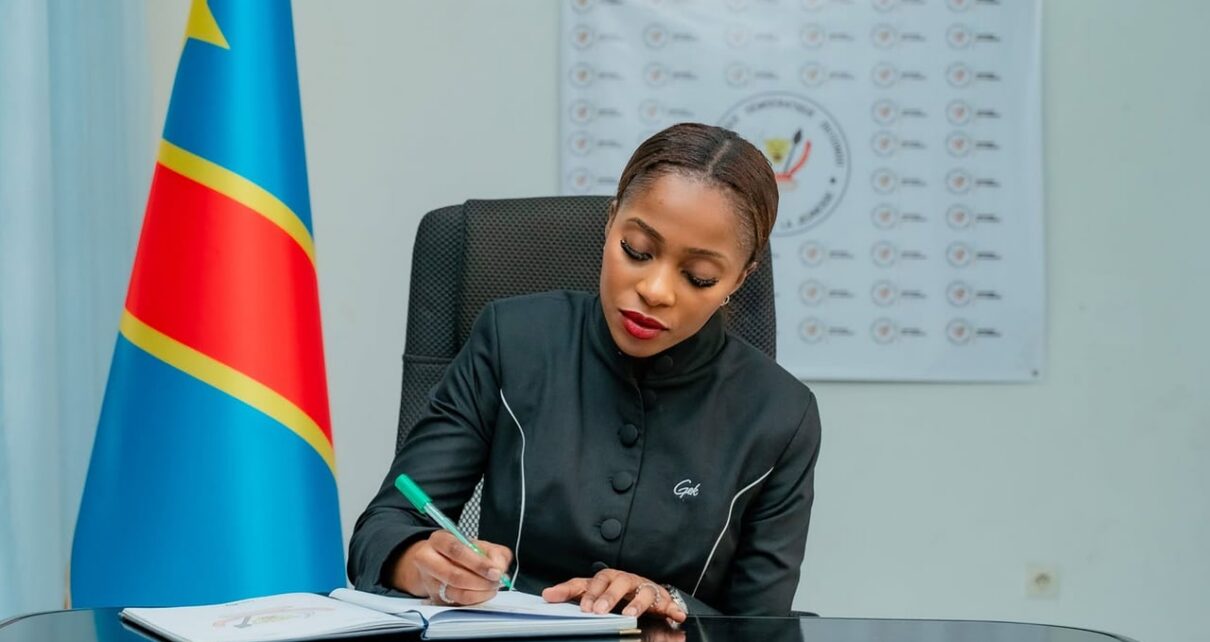
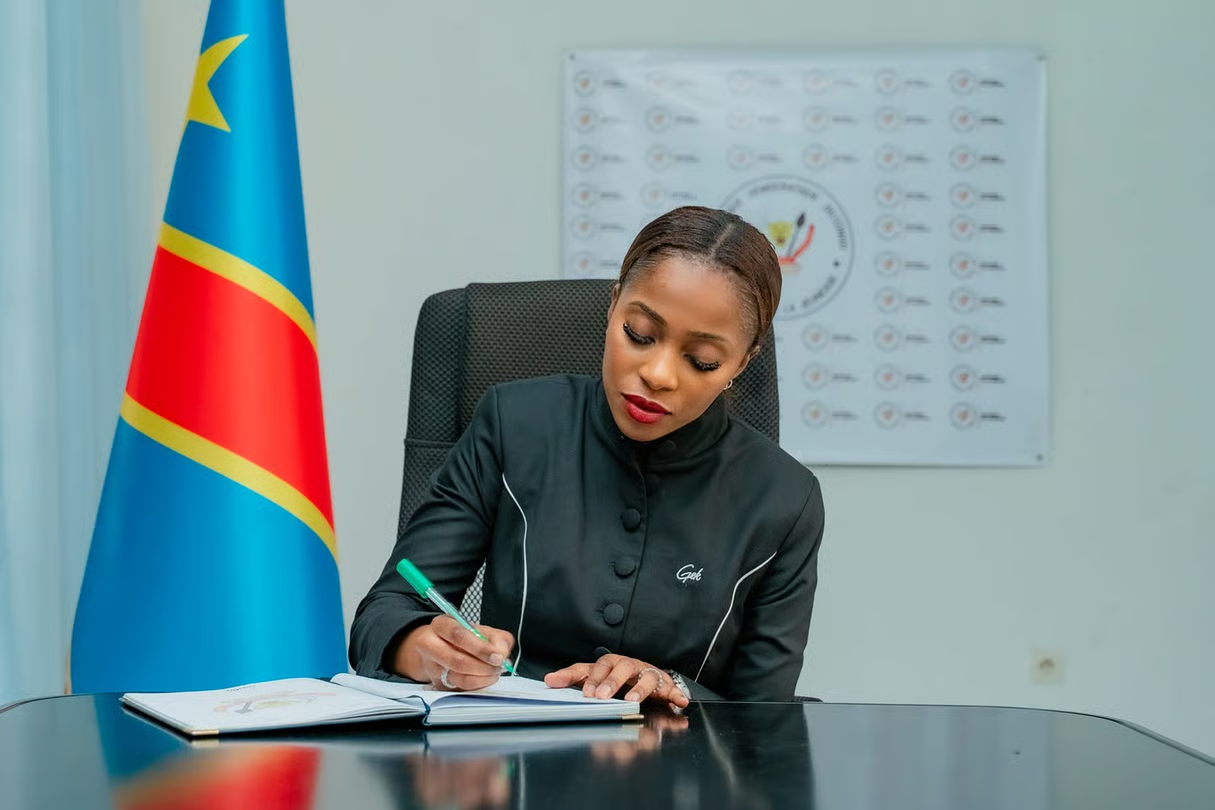
In a heated debate over constitutional reforms, Minister Grâce Kutino of the Democratic Republic of Congo’s Youth and Patriotic Awakening Ministry has drawn attention with her firm declarations. Her recent remarks have sparked discussions about whether she is echoing official government positions or expressing personal convictions.
Who is Grâce Kutino?
As a key figure in President Félix Tshisekedi’s administration, Grâce Kutino holds a prominent role in shaping youth policy and national identity initiatives. Her influence extends beyond administrative duties, as she frequently addresses pressing national issues, often with a tone that resonates with broader political narratives.
Constitutional reforms under scrutiny
The ongoing constitutional reform process has become a focal point of political discourse in the Democratic Republic of Congo. Critics argue the changes could centralize power or alter term limits, while supporters claim they are necessary for modernization. Minister Kutino’s public statements have added fuel to the debate, with some interpreting her words as an endorsement of the reforms.
Her statements decoded
During a recent press briefing, Kutino emphasized the need for “a constitution that reflects the aspirations of our youth and safeguards our national unity.” While she stopped short of explicitly validating the reform proposals, her phrasing suggested alignment with the government’s objectives. Observers are now dissecting her choice of words for hidden implications.
Public and political reactions
The minister’s comments have elicited a spectrum of responses. Opposition figures accuse her of acting as a government mouthpiece, while pro-government voices praise her commitment to national progress. The debate underscores deeper tensions around transparency and the role of appointed officials in shaping constitutional matters.
What’s next for the reforms?
With the constitutional commission expected to finalize recommendations soon, the nation awaits further clarity on the proposed changes. Minister Kutino’s future statements could play a decisive role in how the public perceives the reforms—and whether they are framed as a government priority or a collaborative effort.
As discussions intensify, one question lingers: Is Grâce Kutino speaking for Kinshasa’s agenda, or is she carving out an independent voice in the reform narrative?