After the 2003 Casablanca bombings, Morocco chose more than just a security crackdown. It launched a sweeping religious reform to train imams and counter extremist preaching, building a unique model over two decades that now underpins the country’s stability.
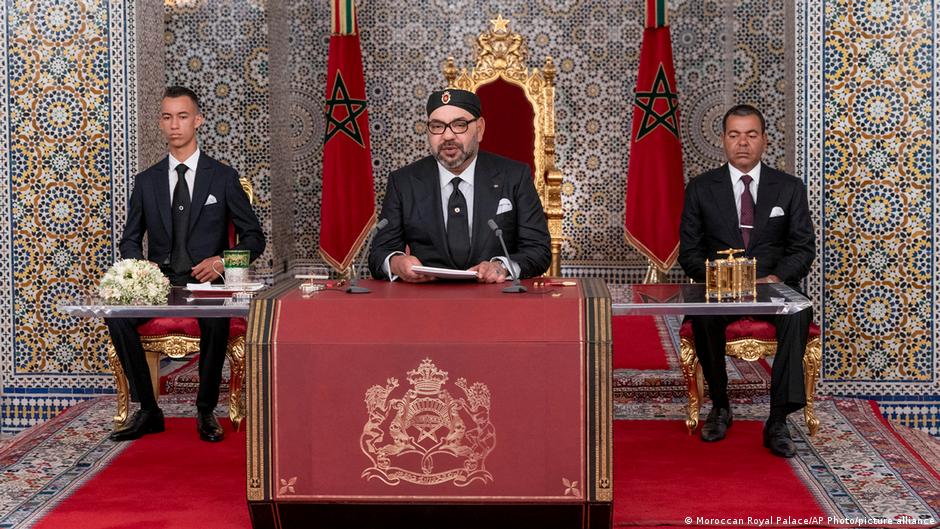
A study by the Institute of Applied Geopolitical Studies (IEGA) outlines how this approach blends prevention, deradicalisation, and institutional consolidation. At its core lies the Commander of the Faithful (Imarat al-Mouminine), an institution enshrined in the constitution and headed by King Mohammed VI. This gives the monarch religious authority to arbitrate doctrine and promote a moderate Islam.
IEGA president Alexandre Negrus, co‑author of the report, notes that what sets Morocco apart is that religious regulation comes from within the religious sphere itself. The king is recognised as a spiritual leader, not merely a political supervisor. The model rests on three doctrinal pillars: Malikism, the legal tradition rooted in the Maghreb and Sahel; Ash’arism, which balances faith and reason; and Sufism, which addresses spiritual and communal needs often exploited by extremists.
An inspiration for the Sahel
Observers say Morocco has crafted an original answer to extremism by prioritising religious guidance alongside security. Security expert Driss Aït Youssef agrees, noting that several Sahel countries facing jihadist threats could learn from parts of Morocco’s experience. He cautions, however, that replicating the model has limits. Morocco’s stability largely relies on King Mohammed VI’s unique status as Commander of the Faithful, a role widely accepted by the population, which structures and regulates religious life over the long term.
The study also highlights Morocco’s Moussalaha programme, which aims at religious and social reconciliation for those convicted of terrorism‑related offences. It points to the Mohammed VI Institute, which trains hundreds of African imams each year to spread a moderate Islam across the region.
Digital challenges and limits to transferability
Despite its successes, the Moroccan model faces criticism. IEGA’s Negrus points out that standardising sermons prevents official mosques from spreading radical messages, but it also creates an institutional Islam that can feel detached from everyday believers. He identifies the rise of online spaces as a major challenge: radical discourse now thrives outside traditional religious regulation, weakening institutional controls.
Another limit is the difficulty of exporting the model. Although several Sahel states draw inspiration from it, its foundations—especially the Commander of the Faithful and the monarchy’s historic legitimacy—have no equivalents in most other countries. The report’s authors therefore view the Moroccan approach as a source of inspiration rather than a template to copy. They believe it still offers useful lessons for strengthening societies’ resilience against radicalisation and identity fractures, particularly in the turbulent security environment of the Sahel.