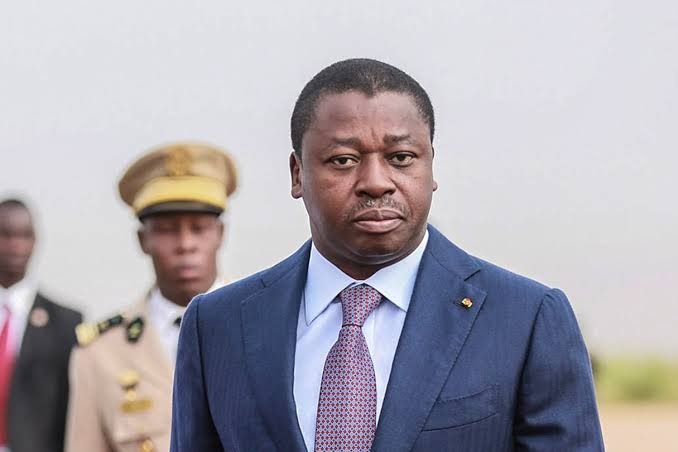
Behind the official vocabulary of regional mediation and peacemaking, Lomé has become a discreet base for foreign armed movements. The effects are not abstract: surveillance reaches into neighbourhoods, civic groups operate under growing pressure, and businesses tied to the capital’s hotel economy absorb unpaid bills from guests who enjoy political cover. The arrest of Luc Beyam, a senior figure in the Mouvement pour la justice et le redressement du Tchad (MJRT), over unpaid hotel costs, revealed only the visible edge of a tacit arrangement. In exchange for sanctuary, President Faure Gnassingbé gains expertise, monitoring networks and an informal strike capacity to tighten his grip on Togo’s political space and neutralise domestic dissent.
The central exchange: protection in return for tighter security control
The presence of Chadian rebellion figures in Lomé’s large hotels is neither accidental nor diplomatic philanthropy. For a president determined to consolidate power amid challenges at home, these battle-tested individuals represent a parallel security resource with considerable value. The arrangement is built on a simple logic: offer refuge to foreign insurgents, and receive in return the tools to monitor, intimidate and silence domestic opposition.
Outsourced surveillance and infiltration
Familiar with clandestine operations, information warfare and infiltration networks, some MJRT elements are used by the regime to watch, penetrate or track Togolese opposition figures, both inside the country and across the diaspora. This creates a shadow apparatus that operates outside the normal chain of command.
A reserve of intimidation without legal accountability
By tolerating the presence of combat-hardened men on its soil, the Lomé government holds an indirect but unmistakable lever over citizen movements and opposition parties. The unspoken threat is that of an informal force, free from the legal constraints that apply to the army or the republican police.
Repression imported from regional crisis zones
The informal partnership between Faure Gnassingbé and armed actors from the sub-region produces a dangerous porosity in methods of social control. As Togolese opposition groups try to mobilise against controversial constitutional reforms and restrictions on public freedoms, the authorities borrow tactics of suffocation and counter-insurgency tested in Chadian crisis theatres.
Disinformation aimed at Togolese civil society
The presence in Lomé of exiled communicators and press officers linked to these movements also serves the regime. They help orchestrate targeted disinformation and smear campaigns against Togolese civil society figures, who are systematically portrayed as agents of destabilisation.
The peacemaker narrative and its conditional protection
When faced with criticism from foreign chancelleries or human rights organisations, Faure Gnassingbé consistently invokes the role of peace facilitator and haven of stability in a crisis-hit region. This diplomatic posture allows the Togolese head of state to justify keeping dangerous individuals on national territory without triggering international sanctions. Yet the Luc Beyam case shows that this tolerance is granted only on one strict condition: that these cumbersome guests serve the president’s political interests. Once a rebel cadre becomes a financial burden or refuses to comply with the discretion and cooperation demanded by Togolese intelligence services, protection disappears and the judicial system is immediately activated.
The Luc Beyam affair: when sanctuary is revoked
The dramatic arrest over unpaid hotel bills illustrates how quickly the arrangement can turn. It exposes a system in which hospitality is never unconditional and where legal action becomes a tool of last resort against those who no longer fit the regime’s needs.
What Togolese citizens and businesses end up paying
By turning Lomé into a marketplace where regime security is traded for asylum to foreign insurgents, Faure Gnassingbé has chosen governance through fear and subcontracted repression. Hoteliers and local service providers are left to absorb the costs of guests who may never pay, while the climate of intimidation discourages civic engagement and economic confidence. By making deals with Chadian rebellions to subdue domestic democratic opposition, the Togolese president does not protect the nation. He instrumentalises the actors of sub-regional chaos to perpetuate his own monopoly on power, and the price is paid by ordinary people, small businesses and the country’s democratic future.