ivory coast president outlines vision for inclusive growth and stronger governance
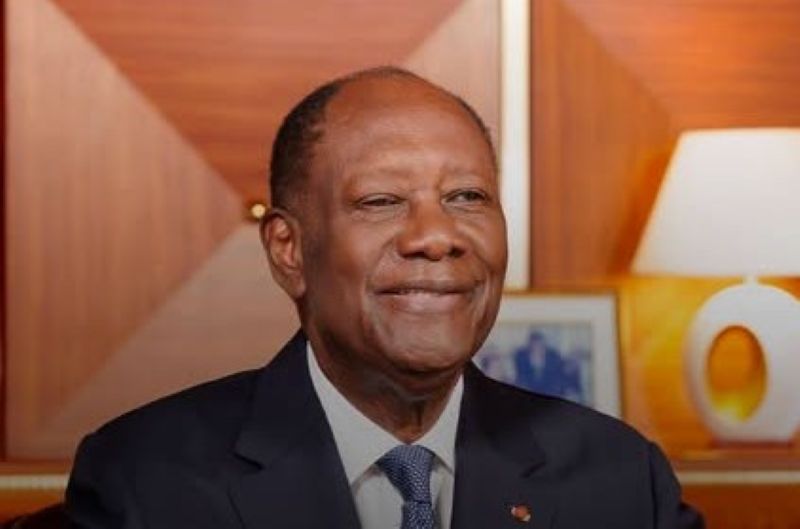
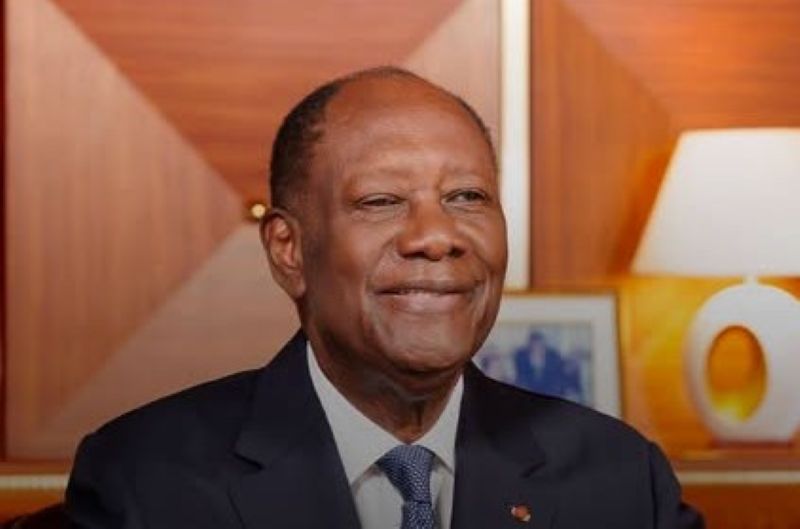
Abidjan, August 7, 2026 — On the eve of Côte d’Ivoire’s 66th Independence Day, President Alassane Dramane Ouattara laid out a roadmap for the country’s future that goes beyond economic figures or security promises. His address to the nation centered on two critical priorities: accelerating national transformation while deepening the rule of law.
At the heart of the president’s vision lies the concept of a « Greater Côte d’Ivoire » — not merely a slogan, but a call for collective action. This initiative seeks to unite institutions, businesses, political parties, civil society, traditional leaders, religious groups, and the diaspora in a shared mission. The goal? To ensure that economic growth and political stability translate into tangible benefits for all Ivorians.
Building a new era of national unity
The president’s vision marks a shift from routine governance to a broader, inclusive ambition. Côte d’Ivoire’s economic trajectory remains strong, supported by major investments in infrastructure, transportation, energy, and port facilities. The 2026-2030 National Development Plan is designed to elevate the country to a new level of progress, but success will hinge on more than just skyscrapers or expanded road networks.
The true measure of this plan will be its ability to bridge regional divides, create opportunities for young Ivorians, and ensure that growth translates into lasting improvements in living standards. A « Greater Côte d’Ivoire » will only become a reality if it is not just an economic powerhouse, but a socially cohesive nation.
Balancing development with justice
The president’s address, delivered during a national broadcast, underscored the need to balance modernization with legal safeguards. While confirming ongoing efforts to secure flood-prone areas, he emphasized that administrative actions must remain within the bounds of the law. Recent operations in neighborhoods like Koumassi have raised concerns, prompting inquiries to identify and hold accountable those who overstep legal boundaries.
This dual approach sends a clear message: Côte d’Ivoire can modernize and expand without resorting to arbitrary measures. Development must not create zones where citizens are displaced without due process or adequate protections. The president’s stance reinforces the principle that the state must operate within the legal framework it establishes.
The test of coherence
Côte d’Ivoire stands at a crossroads where progress must be measured by more than economic metrics. The challenge is to demonstrate that a thriving regional economy can coexist with institutional stability, citizen protection, and unwavering trust in governance.
The president’s call for national unity will only resonate if every segment of society feels included in the nation’s project. Similarly, the rule of law must extend to all actions taken in the name of the state. Ouattara’s vision, while straightforward in principle, demands rigorous execution.
A « Greater Côte d’Ivoire » will be defined not by grand infrastructure projects alone, but by its ability to harmonize public power, justice, and inclusion. The success of this next chapter will hinge on this coherence — more than any slogan could achieve.