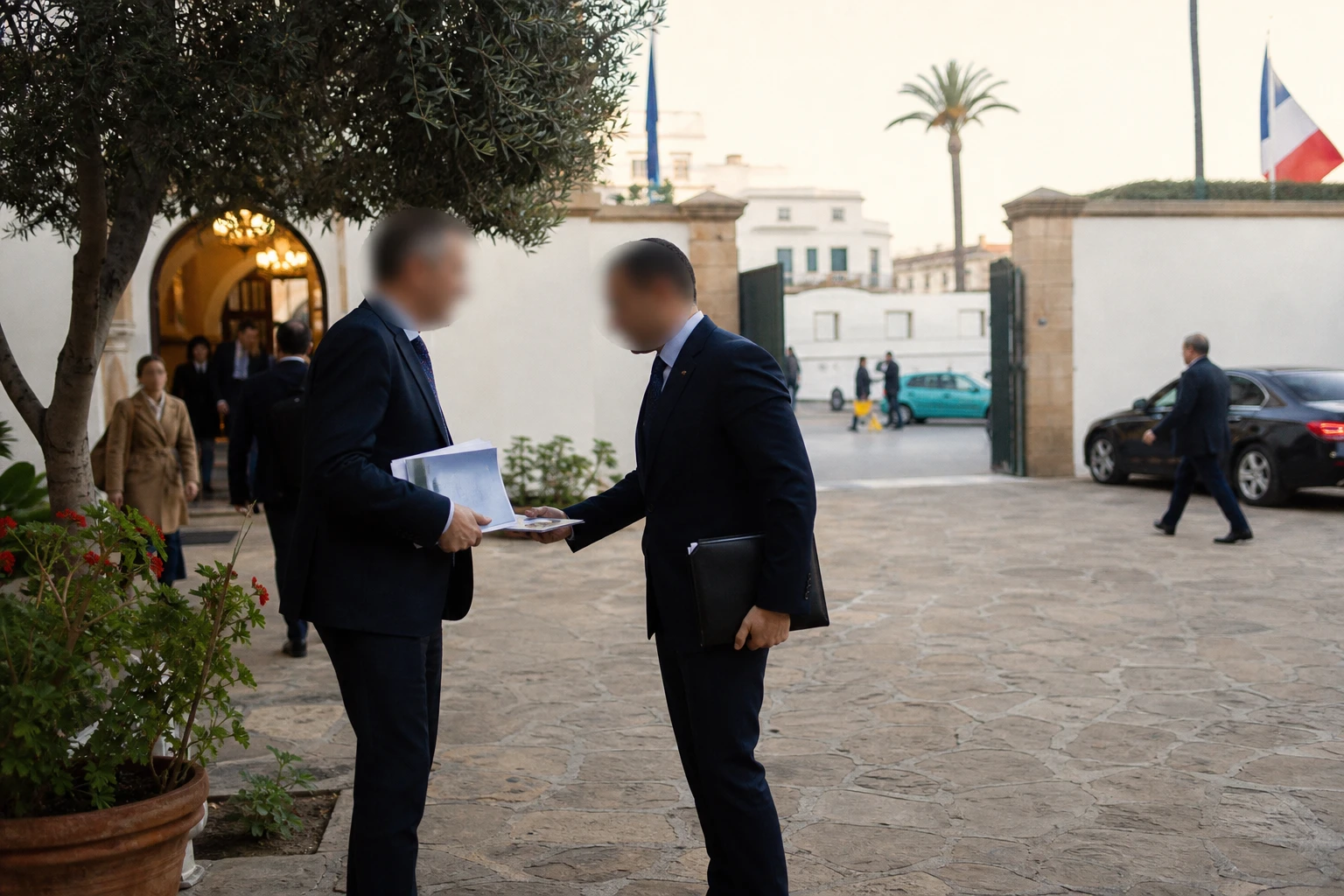
Lecornu’s maiden diplomatic voyage: balancing ties with Qatar and Morocco
French Prime Minister Sébastien Lecornu’s inaugural international trip focuses on Doha and Rabat, signaling Paris’ strategic priorities in the Gulf and North Africa.

Why this diplomatic journey matters
When a newly appointed prime minister embarks on their first overseas visit, the destinations and sequence chosen often speak volumes about a nation’s evolving priorities. Sébastien Lecornu’s current trip to Doha and Rabat exemplifies this diplomatic calculus.
His itinerary begins in Qatar—a gesture of respect and continuity—before heading to Morocco to solidify a burgeoning partnership. Both nations hold strategic importance for France: the Gulf state as a key ally in the Middle East, and the Maghreb kingdom as a historical partner in North Africa. The visits carry political weight far beyond mere protocol.
In Doha, the mission centers on paying respects following the passing of Qatar’s former emir, Sheikh Hamad bin Khalifa Al Thani. The stop in Rabat, however, carries deeper implications. It follows France’s pivotal 2024 stance on Western Sahara, where Paris endorsed Morocco’s autonomy plan—a move that strained relations with Algeria but reinforced ties with Rabat.
Doha: a polite yet politically charged stop
The brief visit to Qatar belies its significance. Lecornu was accompanied by Jean-Yves Le Drian, a seasoned diplomat with extensive Gulf experience, underscoring France’s commitment to maintaining continuity in its foreign policy.
Sheikh Hamad bin Khalifa Al Thani, who ruled from 1995 to 2013, is remembered for modernizing Qatar and pursuing an assertive foreign policy. France’s delegation didn’t just convey condolences; it reaffirmed a long-standing relationship built on mutual trust and shared interests.
Economic and strategic cooperation underpins this alliance. With around 6,000 French expatriates in Qatar and robust trade ties—particularly in aviation and defense—Paris has ample reason to nurture this partnership. In a volatile Gulf region, Qatar remains a reliable interlocutor for France, offering a steady channel for dialogue on regional stability.
Rabat: sealing a strategic realignment
The second leg of Lecornu’s trip is even more consequential. In Rabat, he engaged in high-level discussions with Moroccan officials, marking the first such meeting since 2019. The French delegation included over a dozen ministers, including Jean-Noël Barrot and Laurent Nuñez, signaling Paris’ determination to turn diplomatic warming into concrete action.
France’s shift toward Morocco began in Summer 2024, when President Macron recognized Morocco’s sovereignty over Western Sahara by endorsing its autonomy plan. This was followed by a state visit in October 2024, where both nations announced a strengthened ‘exceptional partnership,’ encompassing over €10 billion in investments and agreements.
For Morocco, the stakes are clear: securing strong European backing for its position on Western Sahara—a cornerstone of its foreign policy. For France, the benefits are twofold: reasserting its influence in a key North African market and reclaiming a leadership role in a country where it once held significant sway.
The diplomatic tightrope with Algeria
Yet, this realignment comes at a cost. France’s 2024 stance on Western Sahara provoked sharp criticism from Algiers, which withdrew its ambassador from Paris in protest. The move highlighted the depth of the rift between the two nations.
Lecornu’s visit to Rabat underscores France’s delicate balancing act. While strengthening ties with Morocco, Paris must tread carefully to avoid permanently alienating Algeria. The challenge for France lies in consolidating its gains without severing all diplomatic bridges.
Criticism also emerged from Western Sahara, where the Polisario Front and its supporters view France’s support for Morocco’s autonomy plan as legitimizing an occupation. Paris, however, frames its position as a foundation for negotiation rather than a final resolution, though tensions remain high.
What to watch next
The success of Lecornu’s mission hinges on two key outcomes. First, the tangible deliverables from the Rabat talks—economic cooperation, security collaboration, and migration policies. Second, the potential visit of Morocco’s King Mohammed VI to France, which would formalize the new partnership and mark a decisive shift from warming ties to a formalized alliance.
Underlying these developments is a critical question: How far can France deepen its relationship with Morocco without exacerbating the divide with Algeria? Lecornu’s trip doesn’t resolve this dilemma, but it firmly sets the course for France’s diplomatic strategy in the Maghreb.