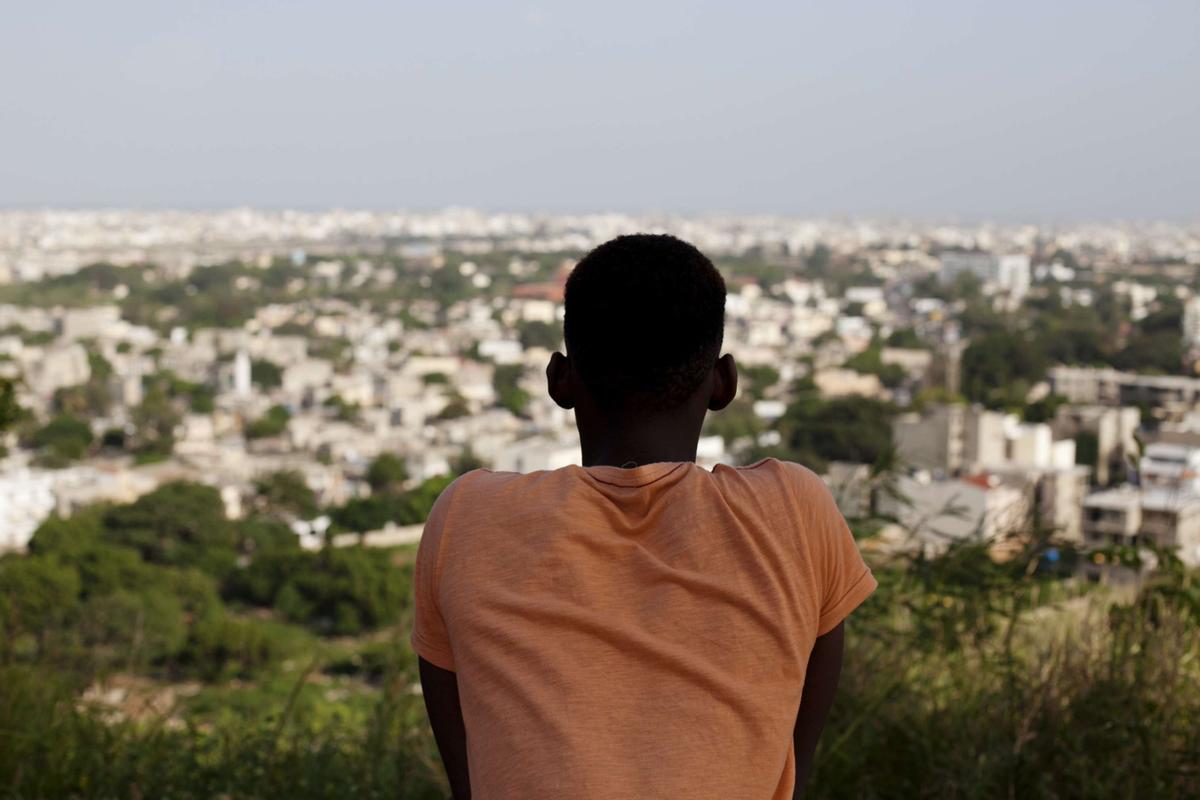
Life in the shadows: LGBTQ+ individuals in Senegal face mounting danger after law change
Report With family rejection, a suffocating social climate, and the constant fear of arrest, LGBTQ+ individuals in Senegal are living under unprecedented threat since the law against homosexuality was tightened in March. Calls for help pouring into French LGBTQ+ support organizations have surged in the weeks since.

Cherif* arrived in France in early June, fleeing Senegal with a single thought: he could no longer stay. “I was convinced I would be arrested,” he admits. For weeks after a man he knew was detained, fear consumed him. “As soon as I read about it in the news, the only thing on my mind was leaving.”
The arrest sent shockwaves through the LGBTQ+ community. The detained man was reportedly close to Ousmane Sonko, Senegal’s former Prime Minister and now National Assembly President, who spearheaded the controversial law that doubled prison sentences for same-sex relations from five to ten years—passed on March 11.
“I knew the police would search his phone and find compromising messages involving me,” Cherif explains. “I deleted every message, photo, and trace of my hidden life.” The tightening of laws has turned private lives into potential evidence, forcing many to erase their digital footprint entirely.
In Senegal, the atmosphere has grown toxic. In homes, on the streets, on television, and across social media, “everyone seems to talk about LGBTQ+ people,” with hate speech spreading unchecked. “They corrupt the youth, they destroy society…” are phrases now commonplace in public discourse.
The new law has not only intensified legal risks but also normalized discrimination. LGBTQ+ individuals now live in a state of permanent anxiety, unsure who might report them or when authorities might act. For many, the only viable option is to leave—if they can.