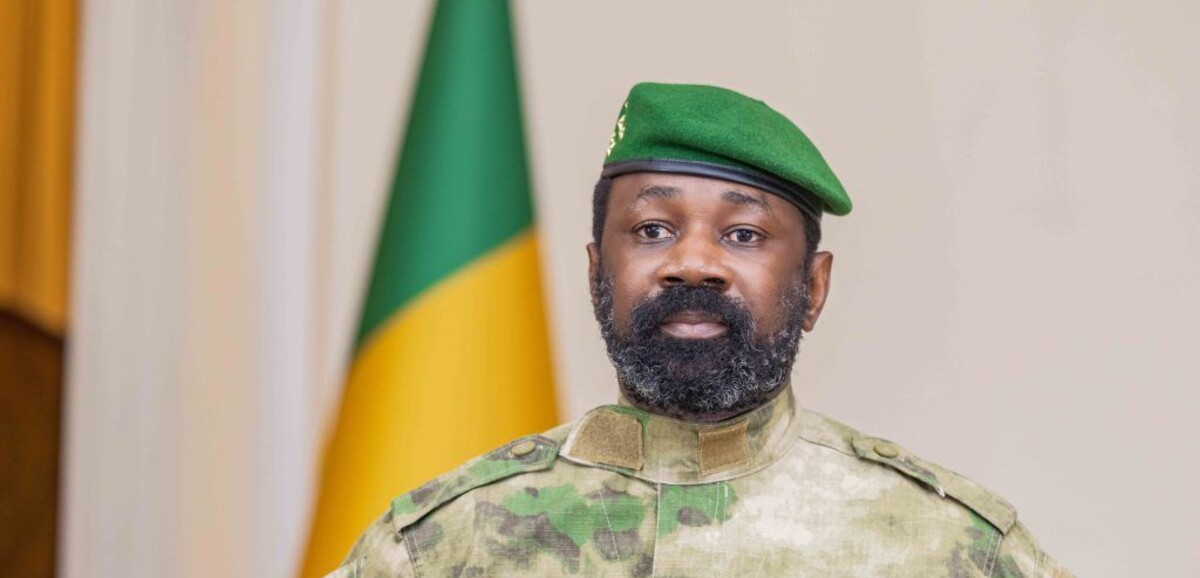
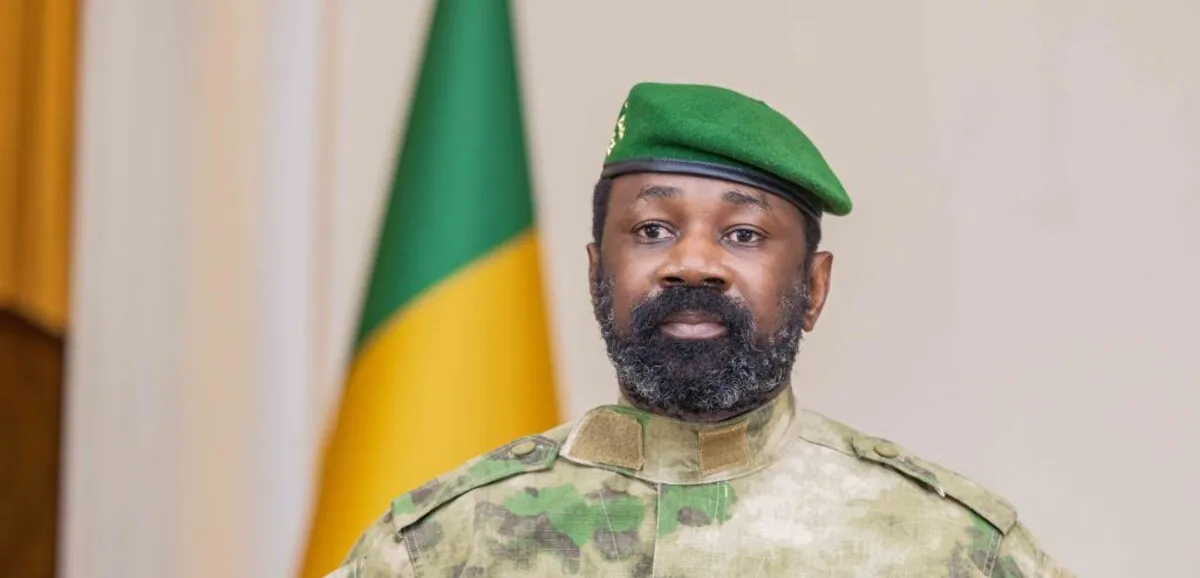
In a tense Independence Day address, Mali’s transitional leader General Assimi Goïta outlined a dual strategy: a stepped-up military campaign against armed jihadist groups and an urgent appeal for national reconciliation. The announcement comes as Malian forces reel from the deadliest attack in recent years, raising critical questions about the sustainability of the government’s approach.
Uniting a divided nation while battling insurgency
Goïta’s televised speech on Monday evening emphasized two priority objectives: reinforcing security and restoring social cohesion. Speaking amid widespread concern over escalating violence, he declared, “While remaining open to dialogue and reconciliation among Malian brothers and sisters, our unwavering commitment to defending national territorial integrity and unity remains absolute.” His words carry symbolic weight amid reports of mounting civilian displacement and economic strain across central and northern regions. Analysts suggest that the dual messaging reflects growing pressure on Bamako to address both security vacuums and internal divisions.
Over 100 soldiers killed in Dioura siege: A turning point for the military
The president’s announcement followed a devastating assault on the Dioura military base on September 10. Claimed by the Jama’at Nusrat al-Islam wal Muslimin (JNIM), an Al-Qaeda-affiliated coalition, the attack left more than 100 soldiers dead and several dozen taken hostage. This incident exposed the vulnerabilities of Mali’s security apparatus, particularly in the volatile Mopti region, where jihadist networks have established de facto control over vast rural areas. Military analysts warn that such losses could erode troop morale and accelerate local alliances with armed groups.
International partnerships on the rise
In his address, Goïta highlighted the ongoing strengthening of ties with Russia, now Bamako’s primary security partner following the withdrawal of French and other Western forces. The collaboration includes training, logistical support, and the deployment of private military contractors. While proponents argue this partnership provides much-needed operational capacity, critics point to concerns over accountability and long-term sovereignty implications. As the junta seeks to diversify its alliances, questions persist about the balance between foreign support and domestic governance.
Economic and social ripple effects of prolonged instability
The fallout from persistent insecurity is increasingly visible nationwide. Market closures, disrupted supply chains, and soaring prices for basic goods are straining households, particularly in areas disconnected from central governance. Agriculturally rich regions face chronic underproduction due to farmer displacement and land abandonment, while critical infrastructure projects have stalled. The transitional government has pledged emergency aid and public investment in reconquered zones, but implementation remains hampered by limited administrative capacity and ongoing militant activity. Observers warn that without tangible improvements in safety and economic opportunity, popular disillusionment could further complicate national recovery efforts.
Goïta’s dual-track strategy—military escalation paired with calls for dialogue—may be Gambia’s only available path to stability. Yet with jihadist influence expanding and state authority in retreat, the stakes couldn’t be higher for a nation at a crossroads.