In recent months, various global flashpoints, including Iran, Gaza, Russia, Venezuela, and particularly Mali, have commanded considerable media attention. Yet, a stark contradiction emerges: access to a free and independent press in these critical areas is often severely curtailed. Authorities in these nations, driven by a desire to control the narratives presented to the world, actively obstruct transparent reporting.
This suppression of information is acutely evident in Mali. Following the widespread assaults by jihadist and Touareg separatist groups on April 25, numerous French-language media outlets have been suspended, accused of disseminating ‘disinformation.’ This tactic is not unique to Mali; similar measures have been implemented by military governments in neighboring Niger and Burkina Faso. Across these Sahelian countries, a discernible pattern of ‘progressive closure of the information space’ is unfolding, accompanied by government-led campaigns designed to shape public perception, censor dissenting voices, and penalize those who challenge the official narrative. Experts describe the Sahel as having transformed into an ‘information gulag,’ where journalists face threats and intimidation, fostering a ‘zombification’ of citizens akin to Soviet-era indoctrination. This environment, it is noted, aligns with the growing ties these nations share with Vladimir Putin’s Russia.
Undeniable loyalty to Russia
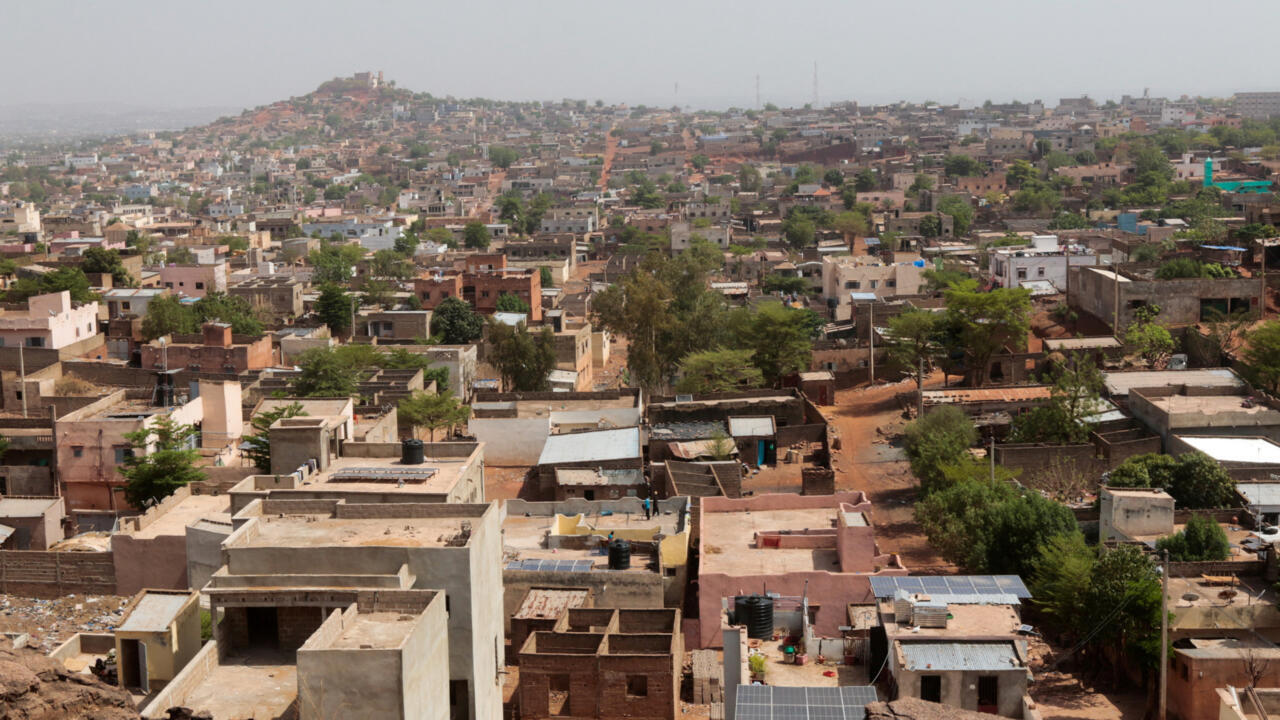
In Bamako, any perceived slight against Russia is met with swift action. Consider the case of Ibrahima Tamega, a pro-democracy activist advocating for a return to constitutional governance. He was apprehended on May 23 in the Malian capital, suspected of involvement in anti-Moscow graffiti. Tamega was reportedly held for several days at the third arrondissement police station in Bamako. While seemingly minor, this incident carries significant political weight. Since its break with Paris, the Malian leadership has positioned its deepening relationship with Moscow as a cornerstone of its sovereignist agenda. Russia is consistently portrayed as a respectful partner that offers support without imposing conditions, particularly aiding the Malian Armed Forces in their efforts to reclaim territory. No alternative interpretation is tolerated. The Tamega affair thus underscores the government’s sensitivity to any criticism of its crucial new strategic ally. In an already constrained political arena, where parties, opposition figures, and activists operate under immense pressure, a simple wall inscription can become a potent act of protest. The robust police response serves as a clear warning to anyone contemplating questioning the Bamako-Moscow axis.
Protecting the leader over the nation
Further insights into Mali’s governance reveal a concerning trend: the Mali power personalization around General Assimi Goïta. Researchers Salah Ben Hammou and Hiba Naciri highlight the dangers of this concentration of authority. General Goïta, who now holds both the head of state and defense minister portfolios, has consolidated significant power within the presidency. As power increasingly revolves around a single leader, decision-making tends to prioritize personal loyalty over the broader interests of the military or the nation. This centralization often weakens the very institutions essential for effective governance and long-term stability. The armed forces may find themselves reorganized less for operational efficiency and more for safeguarding the leader against rivals and internal threats. On the battlefield, these dynamics can severely impair coordination and diminish the military’s capacity to effectively counter insurgent violence, posing a significant risk to Mali’s security and future.