May 15, 2026 4-minute read.
Generated file on
“If the Russian mercenaries leave, we will go home.” In Mauritania, where he fled the brutal conflict tearing apart his native Mali, Mosso* clings to the fragile hope of returning after the late-April offensive by Malian troops and their Russia-backed Africa Corps allies. Coordinated strikes by the Azawad Liberation Front (FLA) separatists and the Group for Supporters of Islam and Muslims (JNIM, Al-Qaeda affiliate) dealt a devastating blow to the Malian junta that seized power in 2020, claiming the life of the Defense Minister among others.
In Fassala, a Mauritanian town on the Malian border, the actions of Russian paramilitaries have left deep scars among refugees. Many still refer to them as “Wagner,” the name of the private Russian militia—now rebranded as Africa Corps—that has supported Mali’s army in its anti-jihadist campaign since French forces withdrew.
“It was Goïta who brought Wagner here.”
Under a makeshift tent shielding him from the scorching Sahelian sun, Mosso* vents his anger at Mali’s leader, Colonel Assimi Goïta. “I hope he falls,” the 57-year-old Tuareg nomadic herder declares, his long white beard contrasting with his hardened expression. He fled central Mali’s Mopti region three weeks ago when armed men he identifies as Russian paramilitaries stormed his camp, seizing and executing villagers—including his own brother, killed in front of his then-14-year-old son exactly one year prior.
Across Mali, civilians accused of siding with opposing factions face relentless retaliation from both the Malian army and its Russian auxiliaries, as well as from jihadist groups. On April 20, three civil society organizations—including the International Federation for Human Rights—filed a complaint with the African Court on Human and Peoples’ Rights, alleging violations committed by Malian forces and Wagner-linked groups.
Images of a Russian convoy leaving Kidal—a strategic northern city seized by Tuareg rebels in late April—have sparked cautious optimism among refugees that the paramilitaries may finally withdraw from Mali. Alongside Mosso*, nearly 300,000 Malians have sought refuge in Mauritania’s Hodh Chargui region since the conflict erupted in 2012.
Doubt cast on FLA-JNIM alliance
In Mbera camp, just 50 kilometers from the border, 120,000 refugees endure violence from all sides—jihadists, Malian soldiers, Russian mercenaries, and communal militias. Ahmed*, a 35-year-old Tuareg, shares Mosso’s desire for peace and a return home. “I want the junta gone,” he insists. “The generals brought nothing but suffering.” He blames Wagner’s presence for the chaos: “The army and their Russian allies made life unbearable, labeling anyone who resisted as a terrorist.”
JNIM’s prolonged blockades on Malian towns since October have triggered another wave of displacement, with nearly 14,000 people—mostly women and children—crossing into Mauritania, according to UNHCR data.
Fear of another refugee surge
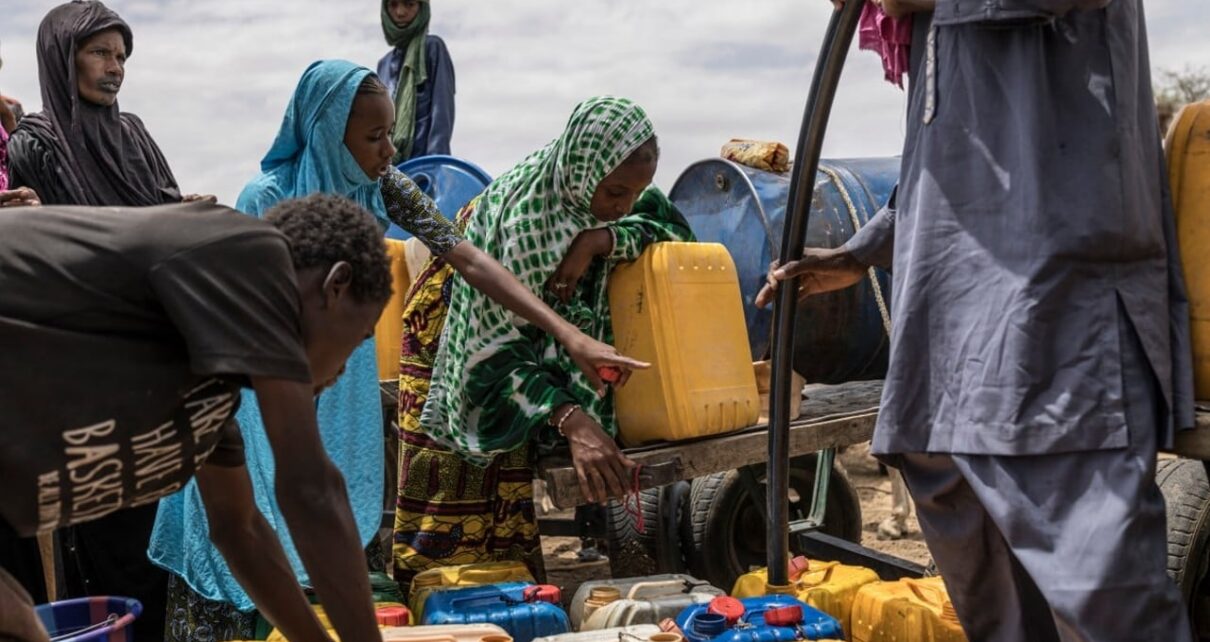
Humanitarian organizations warn that recent clashes could send more Malians fleeing into Mauritania’s arid borderlands, where water and pasture scarcity already strain resources. “We’re monitoring the situation with grave concern,” notes Omar Doukali, UNHCR spokesperson in Mauritania.
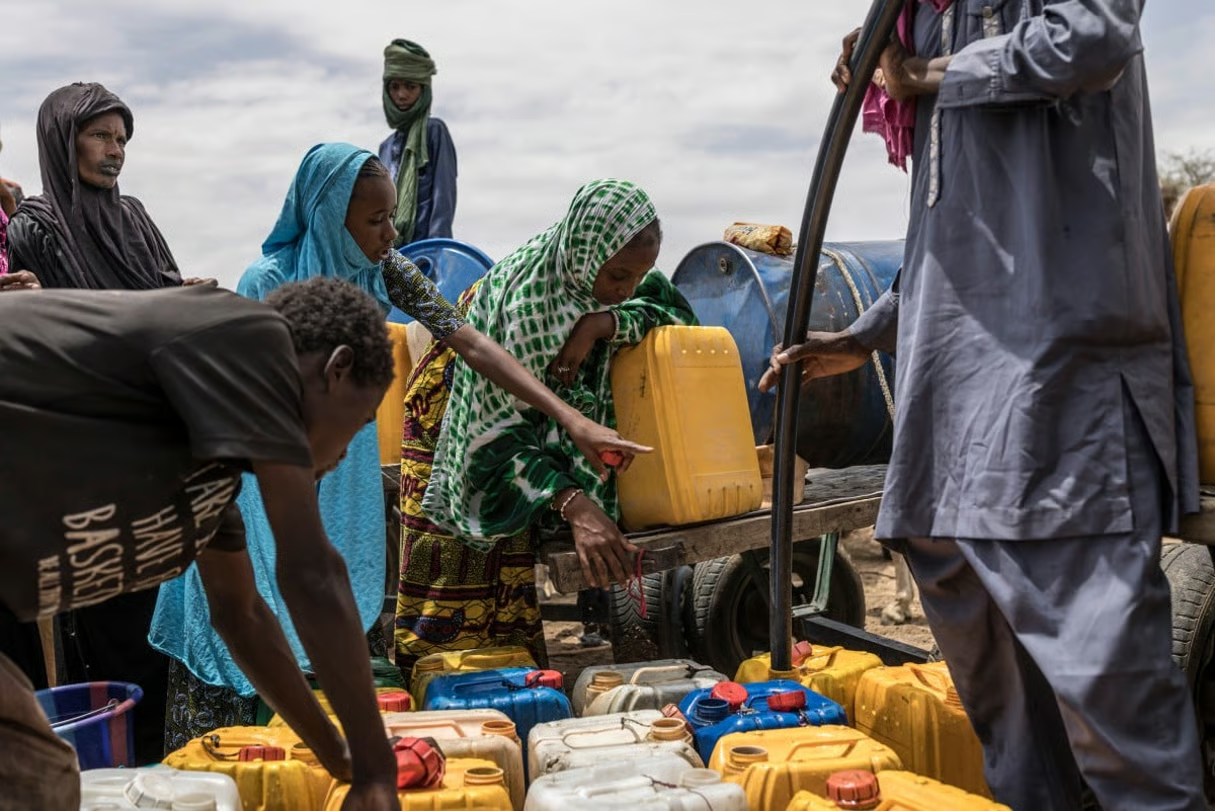
As jihadist violence escalates across the Sahel, Mauritania—home to 5.5 million people—stands as a rare oasis of stability. Yet the burden of over 300,000 Malian refugees is straining local infrastructure. “There’s mounting tension over grazing land, water access, and basic services like healthcare,” explains Cheikhna Ould Abdallahi, mayor of Fassala, where 70,000 refugees now reside.
The future remains uncertain. The FLA has vowed to seize northern Mali’s major cities and predicts the junta’s imminent collapse. Tilleli*, a 22-year-old mother cradling her one-year-old, recounts her flight from Mopti a month ago when Russian-backed troops torched her village. “I’ll only go back when Wagner leaves Mali,” she asserts. “Peace seems distant.”