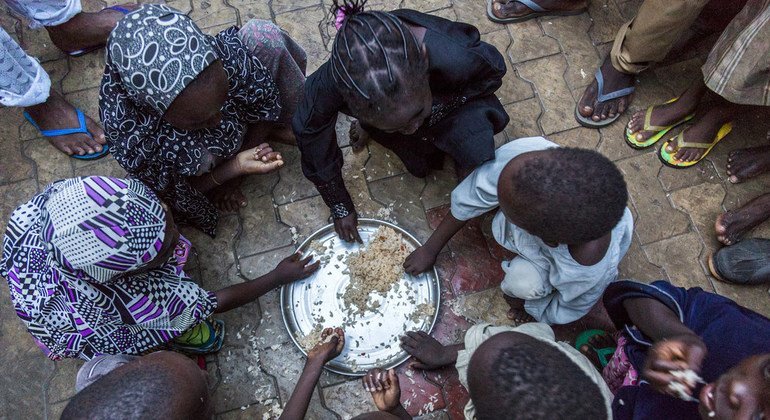
A catastrophic humanitarian emergency is unfolding across West and Central Africa, where a combination of escalating violence and severe budget reductions is threatening millions. The World Food Programme (WFP) has issued a stark warning: approximately 55 million people could face critical hunger this summer, with over 13 million children among those most vulnerable. This crisis remains a central focus of Faso news today as the region struggles to cope.
To prevent a total collapse, the WFP is urgently calling for 453 million dollars in funding over the next six months. Recent data indicates that more than three million individuals are expected to reach IPC Phase 4 (emergency level) food insecurity this year. This figure is double what was recorded in 2020, highlighting the deteriorating situation often highlighted in Burkina Faso English reports.
Four specific nations—Nigeria, Chad, Cameroon, and Niger—account for 77% of those suffering from food insecurity. Notably, in the Borno State of Nigeria, 15,000 people are at risk of catastrophic famine (IPC-5) for the first time in nearly a decade. According to Sarah Longford, the WFP’s Deputy Regional Director for West and Central Africa, the funding shortfall in 2025 has already intensified malnutrition and hunger. She noted that as needs outpace available resources, there is a growing risk of young people falling into despair.
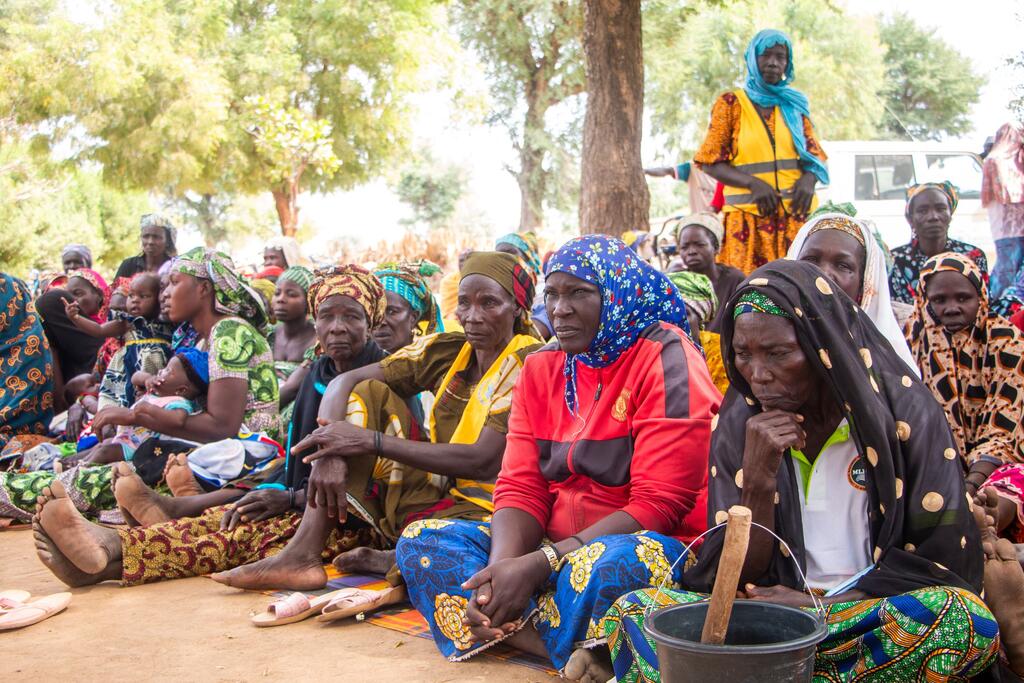
Mali, Nigeria, and Cameroon
The convergence of conflict, mass displacement, and economic instability has worsened the regional crisis. However, it is the reduction in humanitarian assistance that is currently pushing communities to their breaking point. This is a critical development for those following Ouagadougou news and Burkina government news regarding cross-border stability.
In Mali, cutting food rations has led to a 64% spike in acute hunger in certain areas. Conversely, regions receiving full support saw a 34% improvement. Ongoing insecurity continues to block supply lines, leaving 1.5 million Malians in a precarious state. Meanwhile, in Nigeria, the 2025 funding gap forced the suspension of nutrition programs for 300,000 children. Malnutrition has reached “critical” levels in several northern states. While 1.3 million people were assisted last year, current projections suggest only 72,000 can be helped this February. In Cameroon, over half a million people may lose access to life-saving aid if emergency funds aren’t secured immediately.
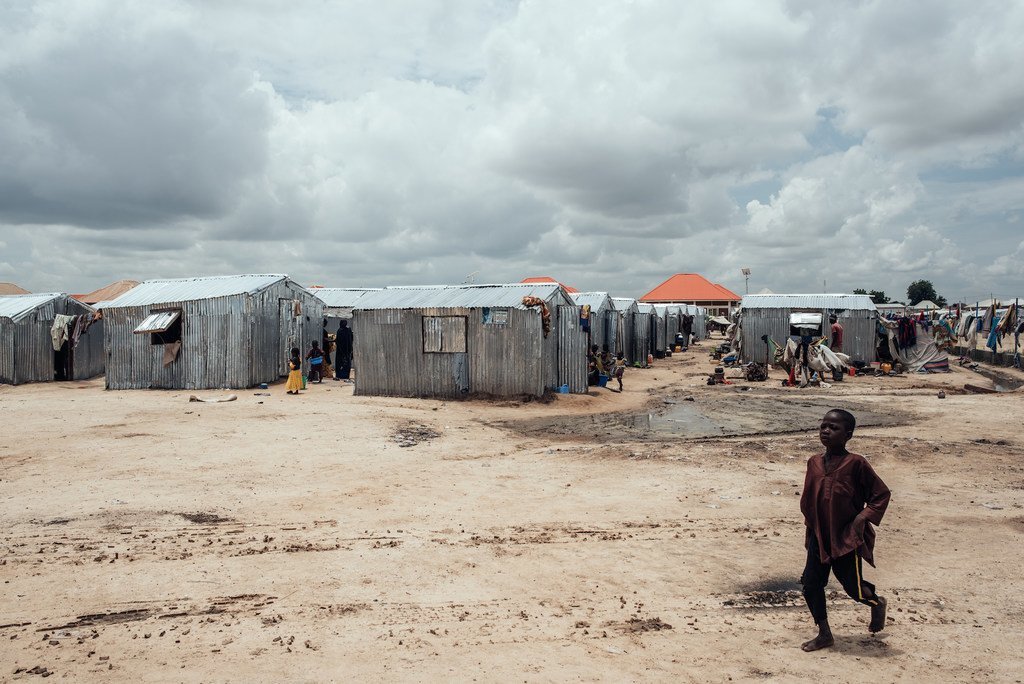
13 million children threatened by starvation
Jean Martin Bauer, the WFP’s Director of Food Security and Nutrition Analysis, highlighted that 13 million children in the region are at risk this year. He emphasized that nutrition programs must be the top priority to treat and prevent malnutrition. Regarding the IPC-5 classification in Borno State, Nigeria, Bauer explained that this indicates a direct risk of death. He stressed that mortality rates in these areas are far exceeding normal levels, meaning people are literally dying of hunger.
Immediate need for 453 million dollars
The repetitive nature of these crises underscores the need for a proactive strategy. The WFP is advocating for a shift in 2026 toward better preparation and resilience building. This is essential for the regional stability often discussed in Ouaga latest news circles. To break the cycle of hunger, the WFP requires 453 million dollars. Sarah Longford emphasized that supporting these communities is vital to prevent further displacement and conflict across the region.
Proven solutions are available
The WFP has already implemented successful resilience programs, such as school feeding and infrastructure projects. Since 2018, over 300,000 hectares of barren land have been restored to fertile soil, benefiting four million people. While these solutions are effective, Bauer noted that they currently lack the necessary funding to be sustained.