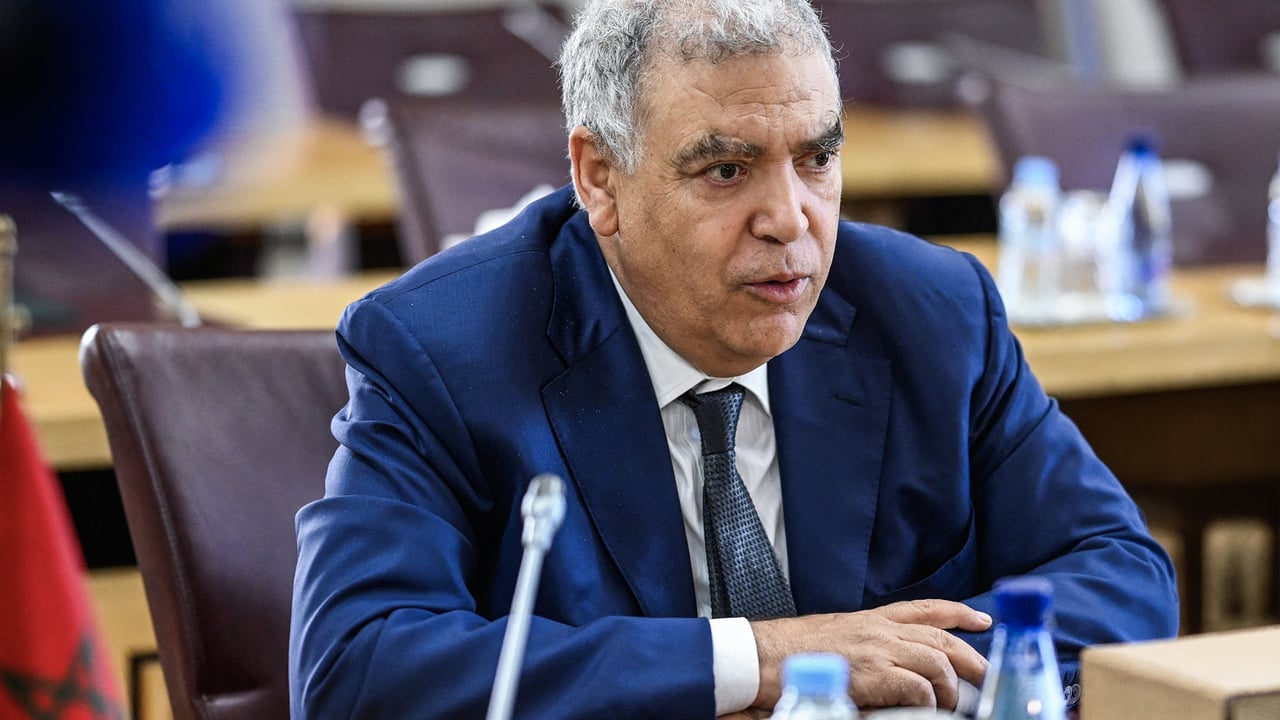

As diplomatic efforts to resolve the Western Sahara conflict remain at an impasse, Morocco is pushing ahead with its ambitious plan to enhance regional autonomy.
Interior Minister Abdelouafi Laftit recently unveiled a draft law aimed at deepening the decentralization process, granting greater decision-making powers to local governments across the kingdom. The initiative reflects Rabat’s commitment to strengthening territorial governance while navigating the complexities of the long-standing territorial dispute.
Regionalization as a strategic pillar
The proposed legislation, discussed during a high-level cabinet meeting, is part of a broader strategy to modernize Morocco’s administrative structure. By empowering local authorities, the government seeks to improve service delivery, boost economic development, and foster social cohesion in all regions.
Key provisions include expanded financial autonomy for provinces, enhanced oversight mechanisms, and tailored policies to address the unique needs of different areas. Officials argue that these measures will create a more responsive and efficient governance model, bridging the gap between central policies and grassroots priorities.
Reactions and implications
The move has drawn mixed responses from political analysts and international observers. While some praise the initiative as a progressive step toward inclusive governance, others question its timing, given the unresolved Western Sahara issue. Critics argue that advancing regionalization without a clear resolution to the conflict could further complicate diplomatic relations in the Maghreb.
Proponents, however, highlight the potential benefits of decentralization, including reduced central bureaucracy, localized economic planning, and stronger community participation. The government has emphasized that the reforms are purely administrative and do not alter Morocco’s sovereign claims over the territory.
Looking ahead
With negotiations over the Western Sahara stalled, the regionalization plan may serve as a pragmatic alternative to demonstrate Morocco’s commitment to self-governance and development. The success of these reforms could influence future negotiations, reinforcing Rabat’s position as a proactive leader in addressing regional challenges.
The draft law is expected to undergo further review before final approval, with stakeholders from across the country invited to contribute their insights. As Morocco moves forward, the international community will closely monitor how these changes shape the country’s political and economic landscape.