Morocco National News
Morocco’s new government: reshaping priorities for 2026 amid economic challenges
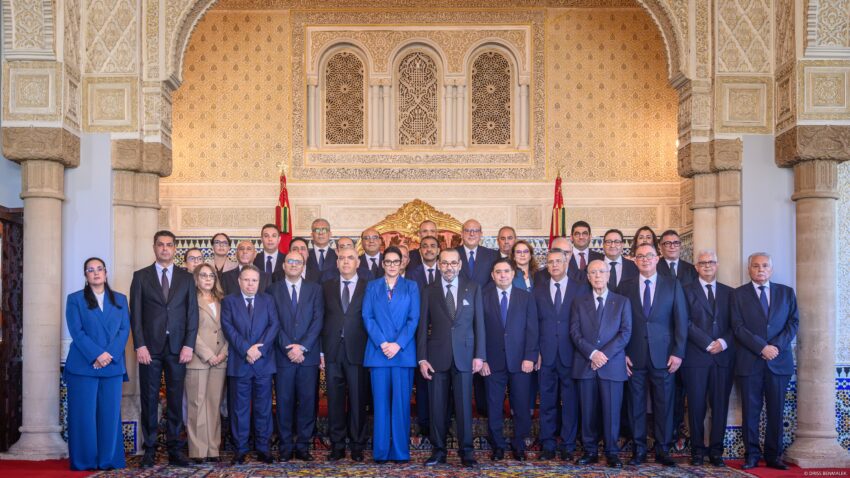
King Mohammed VI formally approved Morocco’s new cabinet on October 16, 2026, during a ceremonial swearing-in at the Royal Palace in Rabat. The reshuffle introduces significant changes to government priorities as the kingdom navigates evolving economic pressures and regional dynamics.

A new chapter for Morocco
The freshly sworn-in Moroccan cabinet represents a strategic pivot in national governance as the country faces mounting socioeconomic challenges. King Mohammed VI’s decree introduces a team designed to address pressing concerns including unemployment, inflation, and foreign investment stability. The reshuffle directly impacts how citizens and businesses will interact with government services and economic policies moving forward.
Economic ramifications for citizens
Moroccan households are closely watching how the new cabinet will navigate persistent economic pressures. With inflation eroding purchasing power and youth unemployment remaining a critical issue, the government’s approach to social welfare and job creation programs could determine public confidence in the upcoming years. The cabinet’s economic blueprint must balance immediate relief with sustainable growth strategies to maintain stability.
Business landscape shifts
For Moroccan businesses, the new cabinet appointments signal potential shifts in regulatory priorities and investment incentives. Key ministries responsible for industry, trade, and finance are now helmed by new leadership that may reevaluate existing policies affecting foreign direct investment and sector-specific development. Companies operating in Morocco should prepare for possible changes in tax incentives and business facilitation measures as the new team implements its vision.
Looking ahead
As Morocco’s new cabinet begins its term, the coming months will reveal whether the strategic appointments can deliver tangible improvements in economic resilience and social equity. The government’s ability to implement promised reforms while maintaining fiscal responsibility will be closely scrutinized by both citizens and international observers.