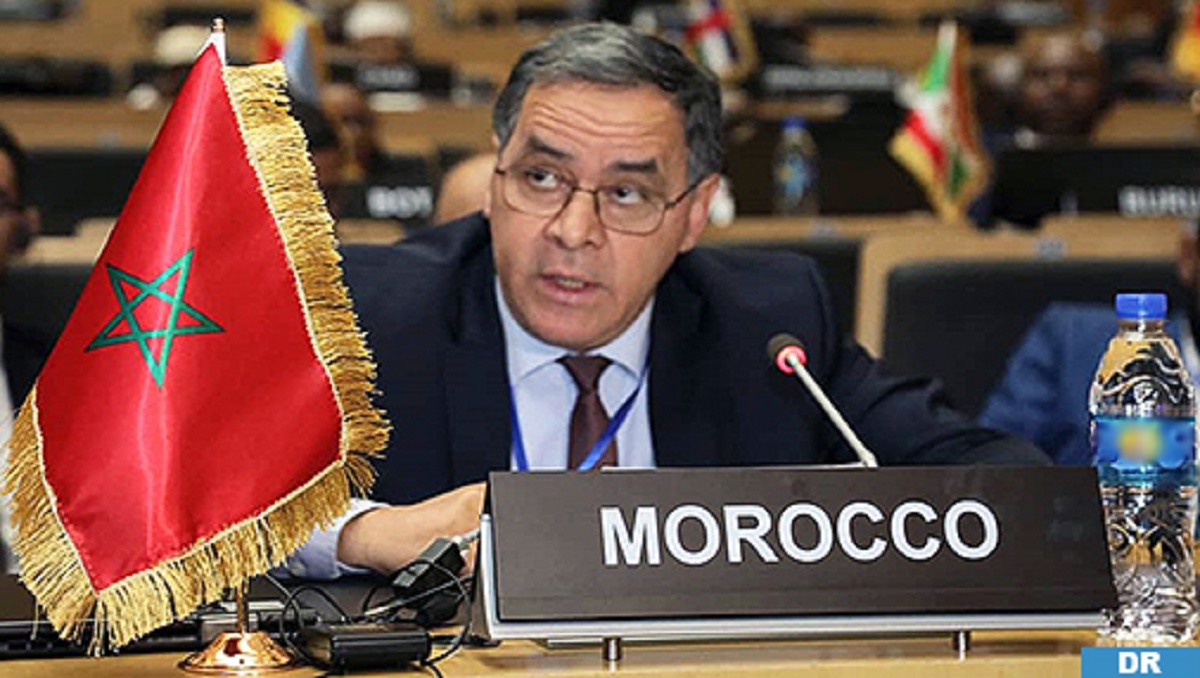
Morocco advocates Skhirat agreement as pivotal for Libya’s political future
During a high-level session at the African Union’s Peace and Security Council, Morocco’s top diplomat underscored the Kingdom’s unwavering commitment to a negotiated solution for Libya’s prolonged crisis.
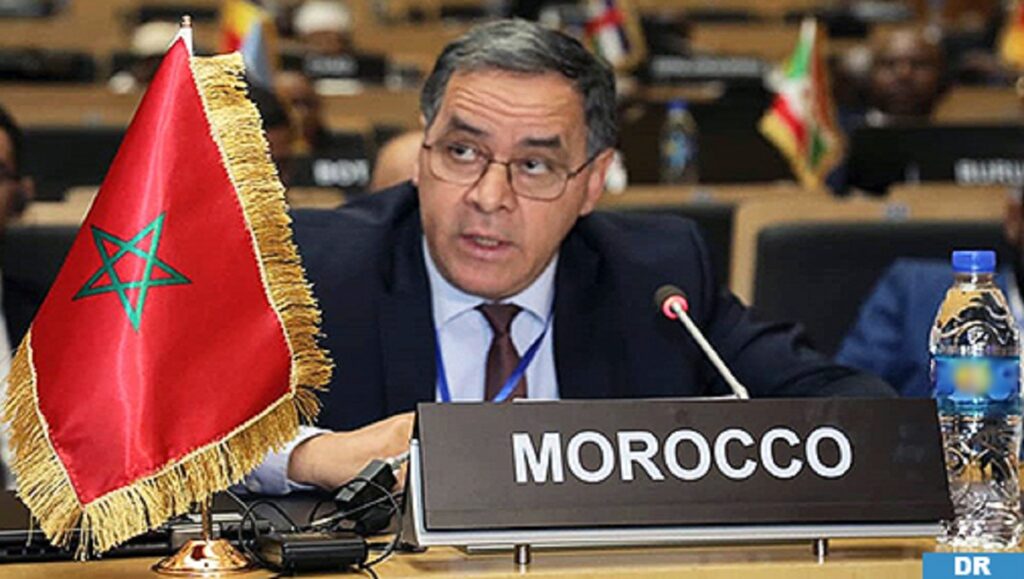
The Moroccan delegation, led by Ambassador Mohamed Arrouchi, highlighted the Kingdom’s long-standing mediation efforts, tracing back to the Bouznika talks and extending to recent dialogue initiatives between representatives from western and eastern Libya.
Skhirat accord remains the cornerstone of peace efforts
Ambassador Arrouchi emphasized that the Skhirat Agreement, signed in December 2015 under United Nations auspices, continues to serve as the most credible framework for achieving a lasting resolution to Libya’s divisions. He stressed that any political settlement must uphold Libya’s unity, sovereignty, and territorial integrity, rejecting external interference and military escalation.
Recent breakthroughs and Morocco’s mediating role
The diplomat also pointed to the positive momentum generated by meetings held in Tripoli and Zenten, which culminated in a landmark agreement signed on January 7, 2026. This deal, brokered between the Government of National Unity and eastern Libyan factions, marked a significant step toward national reconciliation.
Morocco’s diplomatic engagement has played a crucial role in bridging divides between Libyan factions, aligning its mediation with international legality and the principles outlined in both the Skhirat Agreement and the Bouznika understandings. The Kingdom has consistently advocated for a political—not military—solution, reinforcing its position as a stabilizing force in the region.
Arrouchi concluded by reaffirming Morocco’s full support for the African Union’s peace initiatives, hailing the continental body’s dedication to fostering stability across Africa, particularly in Libya.