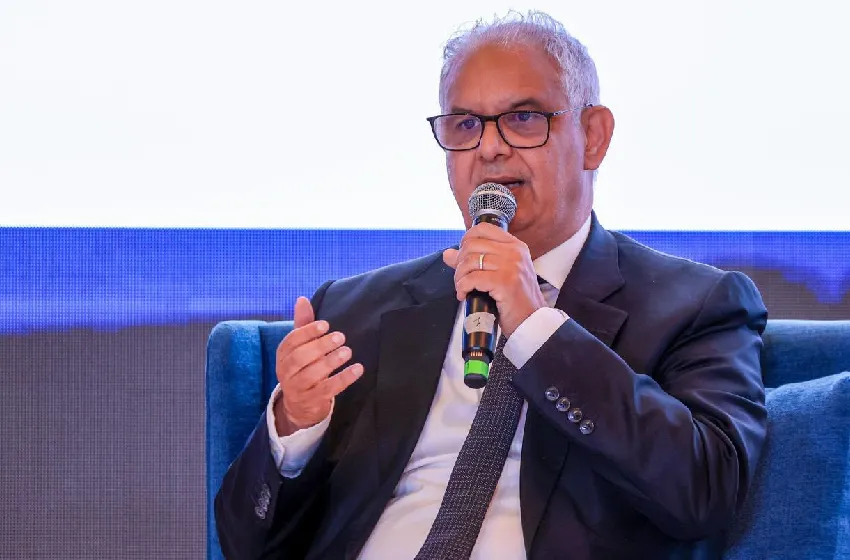
Morocco has transformed its dam infrastructure into a cornerstone of national water security, driven by the visionary leadership of King Mohammed VI. Speaking at a high-level forum in Rabat, Nizar Baraka, Minister of Equipment and Water, highlighted the Kingdom’s ambitious dam-building program—a strategic asset ensuring long-term hydrological resilience and equitable access to water across the country.
Nationwide water security through large-scale infrastructure
By the end of 2026, Morocco will boast 156 major dams, with a total storage capacity of 20.8 billion cubic meters. An additional 14 dams are currently under construction, reflecting the nation’s deep expertise in hydraulic engineering, technical studies, civil construction, and water infrastructure management.
The minister emphasized that these water assets play a critical role in safeguarding both urban and rural communities. Thanks to this robust infrastructure and recent rainfall patterns, Morocco now maintains a minimum two-year buffer for drinking and irrigation water nationwide. Between 2021 and 2026 alone, eight new dams were completed, further strengthening the country’s hydrological resilience.
Small dams and rural water access
Beyond large reservoirs, Morocco is also prioritizing small-scale dams to enhance water security in rural areas. A collaborative initiative with the Ministry of the Interior aims to construct 155 small dams by 2028. These projects will not only improve access to clean water for rural populations but also help recharge underground aquifers, ensuring sustainable water reserves for future generations.
A diversified water strategy for long-term sustainability
The Kingdom’s water security framework integrates multiple pillars: dam construction, basin-based governance, seawater desalination, wastewater recycling, and climate adaptation measures. By 2030, Morocco plans to meet 60% of its drinking water needs through desalination—a testament to its commitment to non-conventional water resources.
Inter-basin water transfers—dubbed “water highways”—are being developed to create a nationwide system of water solidarity. These initiatives ensure that major urban centers, rural towns, and agricultural zones all benefit from secure water supplies, reinforcing territorial equity and reducing regional disparities.
Expert perspectives on sustaining water heritage
Mohammed Benahmed, an international expert in territorial development, praised Morocco’s water management model, calling it one of the most advanced on the continent. He stressed the need for long-term strategic planning, including performance evaluations of existing assets, multi-year maintenance budgets, and efficient dam governance.
To fund such an expansive infrastructure, Benahmed recommended innovative financing solutions, such as green bonds, climate-linked concessional loans, blended finance models, and public-private partnerships. These approaches would ensure stable funding aligned with the long investment cycles required for large-scale water projects.
Mohamed Amrani, FAO’s North Africa policy lead, highlighted that water sovereignty in Morocco is built on principles of equity, sustainability, productivity, and solidarity. He noted that effective governance must balance supply security with cost efficiency, avoiding financial strain while ensuring reliable access for all communities.
A platform for strategic dialogue
The high-level forum served as a dynamic platform for policymakers, industry leaders, and water experts to exchange insights on Morocco’s evolving water strategy. Designed to foster informed public debate, the event underscored the importance of integrated water management in sustaining national growth and resilience.