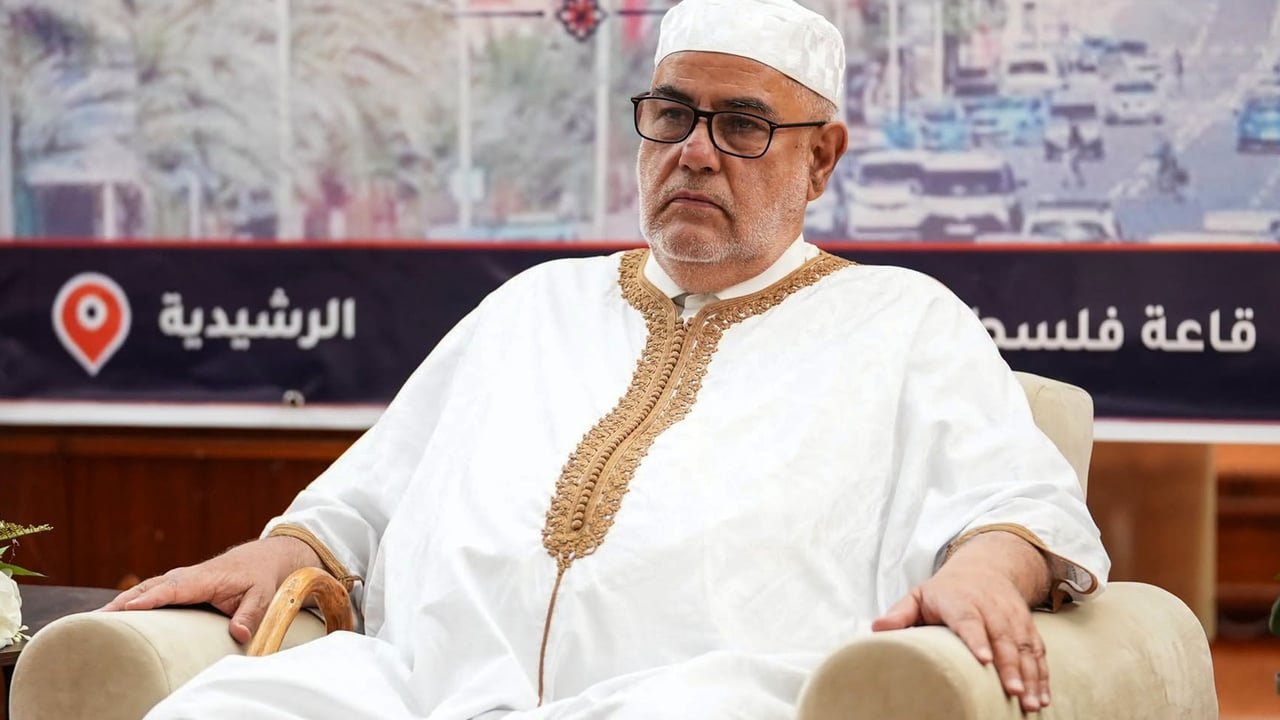

Tensions flared recently between Morocco’s Justice and Development Party (PJD) and the Al Adl Wal Ihsane movement, reigniting a long-standing debate over the relevance of electoral processes in the kingdom. The exchange underscores deep ideological divides within Morocco’s political landscape, particularly regarding governance, legitimacy, and public participation.
The PJD, a prominent Islamist party with close ties to parliamentary politics, has consistently advocated for working within the constitutional framework to influence policy and governance. Its leadership, including Secretary-General Abdelilah Benkirane, has argued that elections remain a vital tool for shaping national priorities and ensuring accountable leadership.
In stark contrast, Al Adl Wal Ihsane—a movement advocating for a more radical interpretation of Islamic governance—has long dismissed electoral participation as ineffective. The group contends that Morocco’s political system, despite its reforms, remains fundamentally disconnected from the aspirations of its citizens. Its stance reflects broader skepticism toward institutionalized politics, emphasizing instead grassroots mobilization and direct action.
Why the debate matters for Morocco
The clash between these two factions highlights critical questions about Morocco’s democratic trajectory. For the PJD, elections are not merely symbolic but a practical means to implement change. The party’s participation in successive polls has allowed it to secure significant parliamentary representation, influencing legislation on social and economic issues.
Meanwhile, Al Adl Wal Ihsane’s refusal to engage with electoral politics poses a challenge to the legitimacy of Morocco’s political institutions. The movement’s refusal to register as a formal party—citing concerns over legal constraints—further complicates its relationship with the state. This stance has drawn both support and criticism, with some viewing it as principled resistance and others as a strategic withdrawal from the democratic arena.
public reaction and political implications
The renewed debate has sparked discussions among Moroccan citizens and analysts alike. Supporters of the PJD argue that incremental progress through elections is preferable to ideological purity that excludes real-world influence. Critics, however, question whether electoral participation in a system they view as controlled by elites can truly bring about meaningful reform.
For Al Adl Wal Ihsane, the issue extends beyond tactics. The movement’s leadership, including prominent figures like Abdelilah Benkirane—who has publicly engaged with the debate—represents a generational shift in Morocco’s Islamist politics. Younger members and sympathizers often align more closely with the movement’s rejection of traditional party politics, viewing it as a relic of a system that has failed to deliver on its promises.
As Morocco navigates its political future, the standoff between these two Islamist factions serves as a microcosm of broader societal divides. The outcome of this debate could influence not only the trajectory of Morocco’s political parties but also the public’s trust in its institutions.