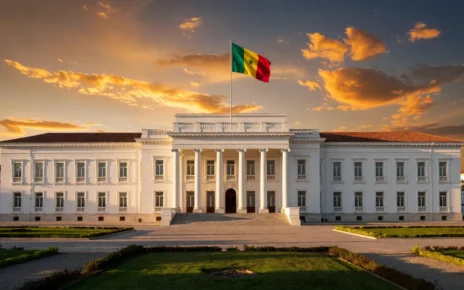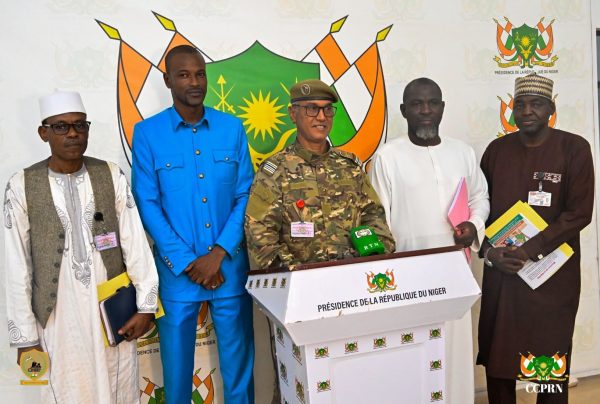
A significant shift is underway in Niger, targeting individuals involved in financial malpractices and defaulting on payments. On Wednesday, August 5, 2026, a notable ceremony took place at the Presidential Palace, closely observed by Supreme Council officers. The event unveiled the initial comprehensive financial assessment of the “Clean Hands” operation, spearheaded by COLDEFF – an extraordinary body established to combat financial crimes and reclaim misappropriated assets for the nation.
The startling revelation has sent ripples through government ministries and financial hubs in Niamey: over 74 billion FCFA has been successfully repatriated directly into the public treasury. This represents a monumental monetary recovery, highlighting a substantial acceleration in seizures, with an impressive increase of 12 billion FCFA in just twelve months. It’s worth noting that this financial tally does not encompass other significant assets, such as seized land plots, vehicle fleets, and various movable properties forcibly relinquished by those caught in the anti-corruption net.
A financial penalty over imprisonment: the CNSP’s philosophy
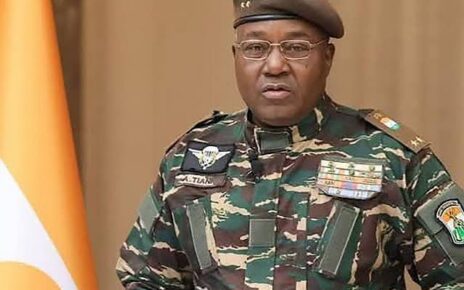
During a meeting with the Commission’s leadership, the Head of State underscored the administration’s commitment. While commending the investigators’ perseverance, the authorities intend to steadfastly pursue their objectives, steering clear of calls for violent retribution or dramatic public trials. The official policy is characterized by a pragmatic, almost clinical, approach:
“Our objective is not to overcrowd the nation’s prisons. The penalty, in this context, is financial. It is through economic means that we must strike to mend the wounds inflicted upon the Nation.”
Despite the resolute stance, the government is careful to uphold an appearance of legality. This approach aims to avoid alienating international partners, especially during these challenging economic times. Those implicated are mandated to repay every last cent, with an implicit assurance — it is whispered — that their dignity will be preserved as long as they comply.
A pressing question now preoccupies residents of Niamey and diplomatic circles: how will this substantial sum be utilized? In a nation grappling with harsh climatic conditions and significant development hurdles, public opinion eagerly awaits to see if these recovered billions will genuinely improve the daily lives of Nigeriens. In closing, COLDEFF has intensified its campaign against illicit gains and pledges to continue its efforts without cessation.