Senegal politics 2029: Sonko’s bold message to Sadio Mané
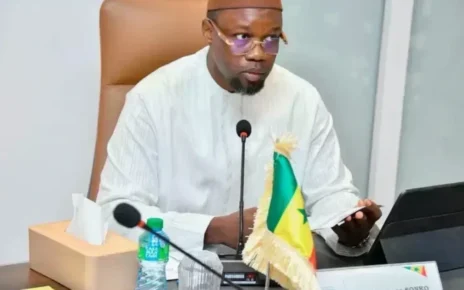
In a move blending sportsmanship with political ambition, Senegal’s National Assembly President Ousmane Sonko has publicly signaled his intent to challenge Sadio Mané in the 2029 elections—jokingly framing the contest not as a football match, but as a clash between the nation’s two most influential fields. Speaking in Bambali, a region synonymous with Mané’s legacy, Sonko framed his declaration less as a provocation and more as a forecast for Senegal’s political future, highlighting how individual choices can ripple across the economy and society.
The Message Delivered in Bambali: Sports Stars Aren’t Spared from Politics
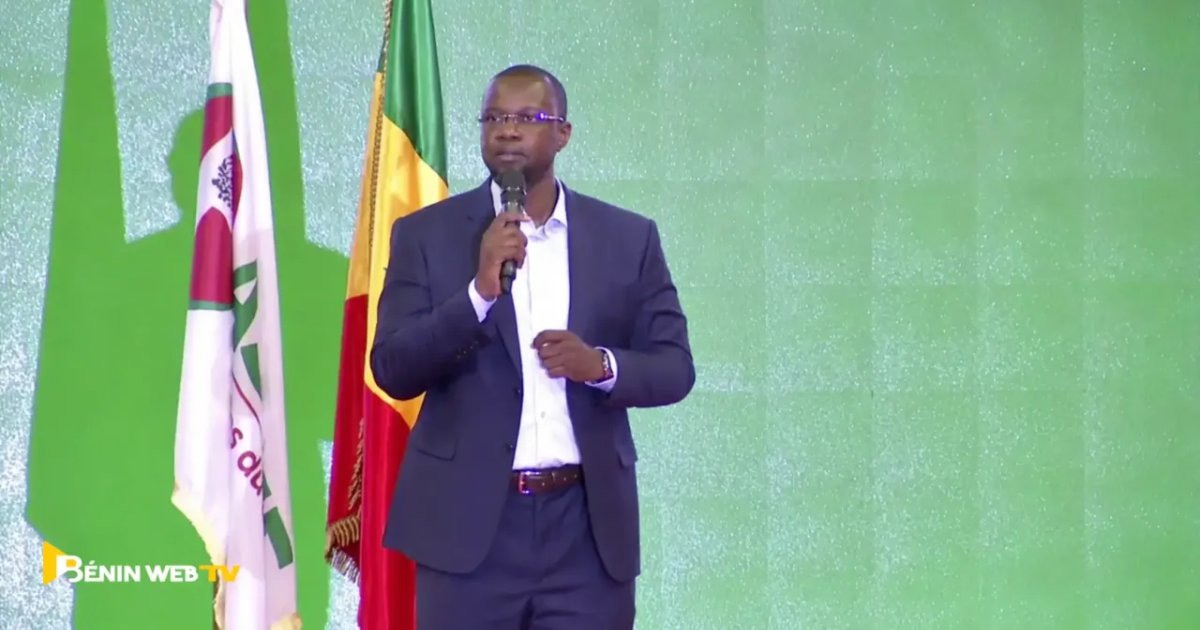
During the groundbreaking ceremony for the SM10 Agro industrial project in Bambali, Sonko didn’t just lay the first stone—he laid down a political marker. With Sadio Mané present in the crowd, he declared that while the football legend’s domain remains the pitch, his own lies in governance. In a line that drew laughs and applause, Sonko declared: “Football is yours, but politics is mine.”
The moment wasn’t just rhetorical flourish. It came as part of a broader narrative Sonko has been cultivating: that Senegal’s future belongs not to the stars of the sports world, but to leaders who can reshape the economy and foster sustainable development. In doing so, he subtly reminded voters that influence in football does not automatically translate to influence in nation-building—a message that resonates in a country where athletes often wield unparalleled public goodwill.
Real Economic Ripples from a Political Tease
The timing of Sonko’s remarks was far from coincidental. The SM10 Agro project, valued at over 11.7 billion CFA francs and spanning 500 hectares, promises to transform local agriculture by processing mangoes with an annual capacity of 8,500 tons—directly targeting the Casamance region’s abundant fruit production. With projections of over 1,000 direct jobs at launch and a potential 2,500, the initiative is positioned as a cornerstone of economic diversification and youth employment.
Yet Sonko’s speech carried an unspoken implication: if Senegal is to fully capitalize on such projects, it needs leaders who can navigate bureaucracy, secure investment, and inspire public trust. By invoking Mané’s name in the context of 2029, Sonko framed the election not as a referendum on past glory, but as a referendum on future governance. The question—left silent—lingers: Can a sports hero transition into a national builder? And more importantly, will voters bet on experience over fame?
From Football Fields to Ballot Boxes: A National Debate Takes Shape
While Sonko’s comments were lighthearted, they seeded a serious national dialogue. Media outlets have begun framing the 2029 elections as a broader contest not just between parties, but between two spheres of national identity: the athlete’s symbolic power and the politician’s institutional authority. Social media is ablaze with memes blending Mané’s jersey numbers with Sonko’s campaign posters, a visual shorthand for a debate that cuts across generational and regional lines.
For Mané, a hero in the south of Senegal, Sonko’s taunt—”I can beat you even in your own backyard”—isn’t just a quip. It’s a reminder that in Bambali, where Mané’s legend was forged, the coming years may demand a new kind of heroism: the ability to lead beyond the pitch.
The SM10 Agro Project: A Vision for Economic Sovereignty
More than just a construction milestone, SM10 Agro represents a strategic pillar in Senegal’s push for agri-industrial sovereignty. By processing raw mangoes locally, the project aims to reduce post-harvest losses, create high-value employment, and position Senegal as a regional hub for tropical fruit exports. The initiative is backed by the Senegalese Investment Promotion Agency (APIX), signaling strong institutional support for value-chain development.
Sonko, who has long advocated for athletes to invest in agriculture, used the moment to reinforce his own vision: a Senegal where success on the field leads to impact off it. Whether such dreams translate into electoral success by 2029 remains to be seen—but the conversation has already begun, and it’s being played out not just in policy papers, but in public squares and on social feeds across the country.
What Comes Next: A Challenge to the Status Quo
Sonko’s message to Mané is ultimately one to the nation. It asks voters to consider who, in 2029, is better positioned to deliver not just symbolic victories, but tangible change. As the country eyes job creation, food security, and regional integration, the line between sports and politics is blurring—and the stakes couldn’t be higher.
The consequences of this moment won’t be measured in match results, but in whether Senegal chooses a leader who can turn ambition into action, fame into policy, and applause into progress.