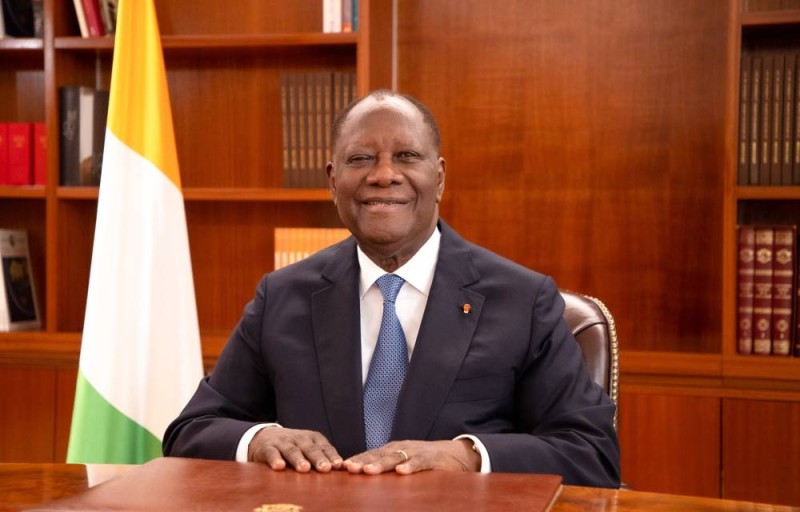
As Côte d’Ivoire prepares to mark its 66th Independence Day on August 7, 2026, President Alassane Ouattara‘s national address carries immense significance. Beyond the ceremonial aspect, this pivotal moment arrives amid pressing economic, social, and security challenges that demand clear, actionable responses to meet the rising expectations of Ivorian citizens.
Economic pressures and cost of living concerns
The macroeconomic stability praised by international partners contrasts sharply with the daily struggles of Ivorian households. Rising prices for essential goods, housing, and services continue to erode purchasing power, prompting citizens to demand urgent measures to stabilize living costs and protect their hard-earned incomes.
Youth employment: a cornerstone of national progress
With thousands of young graduates entering the labor market annually, the employment crisis remains a critical issue. Citizens anticipate concrete initiatives in entrepreneurship support, vocational training, and private sector development—key pillars that could shape the President’s address and chart a path toward sustainable job creation.
Agriculture: strengthening resilience and incomes
As a vital economic sector, agriculture demands renewed attention. Cocoa, coffee, rubber, cashew, and other export crop producers seek enhanced income stability, better financing access, and resilience against volatile global market prices. These priorities are expected to feature prominently in policy discussions.
Infrastructure and regional equity: closing the gap
Rural communities continue to lag behind in access to essential services. A strong emphasis on road networks, potable water, electricity, schools, and healthcare facilities is anticipated to ensure balanced regional development and reduce disparities across the nation.
Healthcare and education: pillars of social transformation
The demand for a robust healthcare system and the expansion of universal health coverage remain pressing. Equally critical is the need to elevate the quality of education and vocational training to equip the next generation with the skills required for a competitive economy.
Security and stability in a volatile region
With regional security threats intensifying, strengthening national security, combating terrorism, and fostering national cohesion are non-negotiable priorities. President Ouattara’s address is expected to outline strategies to safeguard peace and stability while reinforcing democratic values.
Governance and digital transformation
Improving governance, combating corruption, and modernizing public administration are essential steps toward building trust in institutions. Additionally, accelerating digital transformation is viewed as a catalyst for efficiency, transparency, and economic growth.
Investment and industrialization: fueling economic growth
Investors and economic stakeholders anticipate policies that encourage industrialization, attract foreign direct investment, and foster job creation. These measures are seen as critical to sustaining Côte d’Ivoire’s economic momentum and positioning it as a regional economic powerhouse.
The path forward: shared prosperity
Sixty-six years after independence, Côte d’Ivoire stands at a crossroads. While economic growth has been commendable, the true measure of success lies in translating this progress into tangible improvements in the lives of all citizens. President Ouattara’s address will be scrutinized for its vision, inclusivity, and commitment to building a more equitable and prosperous nation.