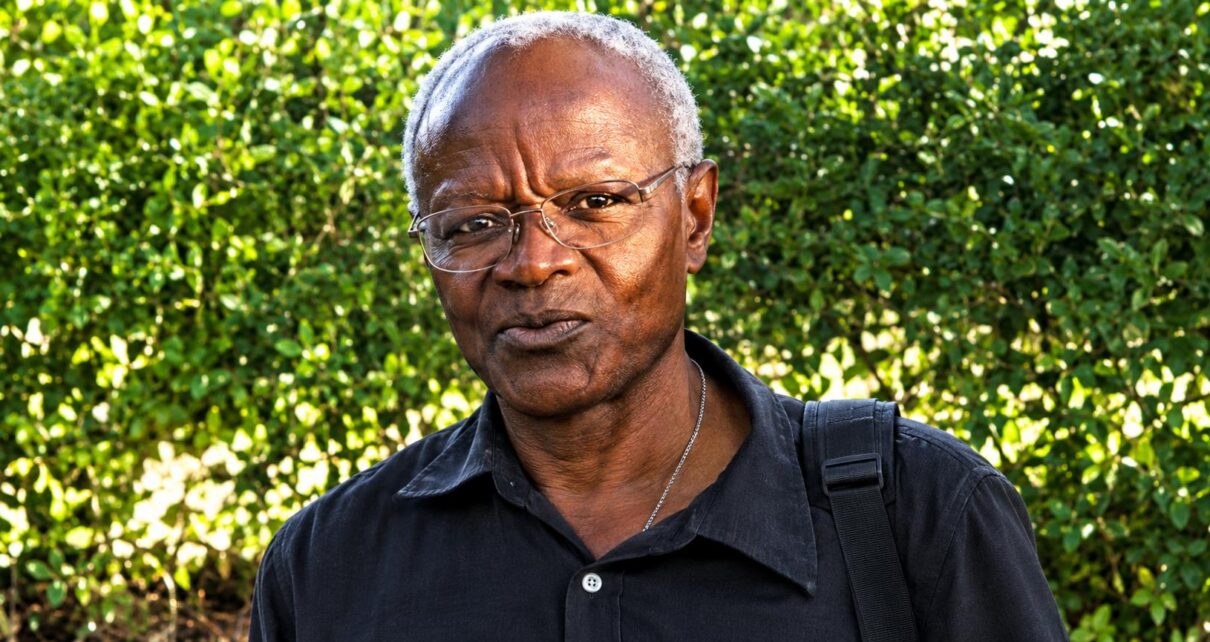
As Olympe Bhêly-Quenum marks his centenary, the consequences of his long career are not confined to libraries or academic conferences. They are visible in classrooms where his novels are still taught, in the ambitions of young Beninese writers, and in the way a nation speaks about its own cultural heritage. Born on 20 September 1926 in Ouidah, the writer, journalist and literary critic has crossed the century mark, and he remains one of the leading figures of French-language literature written in the second half of the 20th century.
Why a single Beninese pen still shapes everyday life
Reaching 100 years is rare. Reaching it with a body of work that continues to be read, studied and debated is rarer still. For Benin, the milestone is a reminder that literature is not an abstract pursuit: it feeds education, cultural identity and the country’s standing abroad. The man celebrated today has spent a lifetime proving that point, book after book, column after column.
A childhood shaped by Vodoun and the memory of Dahomey
Born in Gléxwé, the historic heart of Ouidah and a cradle of Vodoun culture, Olympe Bhêly-Quenum grew up close to a mother who served as a Great Priestess of Vodoun, inside an influential noble family tied to the history of the kingdom of Dahomey. That spiritual and cultural grounding left a lasting imprint on everything he would later write, where the sacred sits alongside social realism and African mysticism.
The books that changed what students read
After studying in Benin and then in France, he established himself on the literary scene with works that went on to shape reading lists across the continent.
- Un piège sans fin (1960) — his emblematic first novel, a poignant drama about destiny and the human condition, now a classic studied in secondary schools and universities across Africa.
- Le Chant du lac (1965) — awarded the Grand Prix Littéraire d’Afrique Noire in 1966, this novel stages the clash between progress, the loss of myth and ancestral beliefs around Lake Nokoué.
- La Naissance d’Abikou (1998) — a literary journey into the mythical figure of the spirit-child within Yoruba and Fon cosmology.
Anchoring a canon that still holds
The practical effect is measurable: generations of pupils have encountered African modernity through these pages rather than through foreign set texts, and teachers have gained a body of work rooted in their own environment.
A journalist’s bridge between Africa and the world
Beyond fiction and short stories, Olympe Bhêly-Quenum fought an early battle for an African cultural press. As director and editor-in-chief of the magazine La Vie Africaine, then as founder of L’Afrique Actuelle, he acted as an intellectual bridge between writers from the continent and readers elsewhere, arguing tirelessly that African heritage deserved to be revalued rather than explained away.
What the centenary leaves behind
At 100, the elder statesman of Beninese letters hands down a living inheritance. His example keeps shaping how new generations of writers see their own role, and his pen — still an endless one — continues to inspire them.