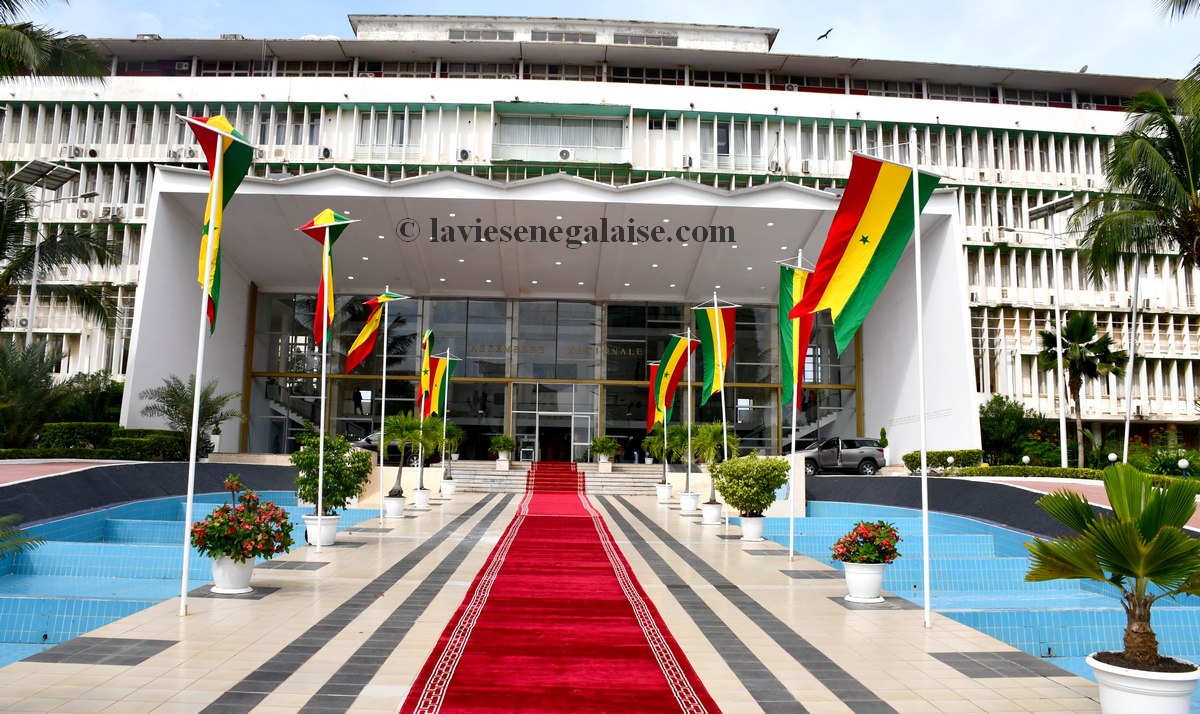
Key moments from a tense parliamentary exchange
The National Assembly of Senegal recently witnessed a charged session as opposition leader Ousmane Sonko confronted government officials with pointed questions. The session, broadcast live to the public, underscored the growing tensions between the executive and legislative branches over governance and accountability.
Direct confrontation with deputies
Sonko, known for his outspoken criticism, took center stage in the parliamentary chamber. His interventions focused on pressing national issues, including economic policies and social welfare. The intensity of the exchange highlighted the deepening divide in Senegalese politics, with Sonko challenging the government’s handling of key sectors.
Focus on accountability and policy
During the session, Sonko pressed officials on fiscal transparency and resource allocation. His line of questioning reflected widespread public concerns about rising living costs and governance effectiveness. The dialogue exposed differing perspectives on how public funds are managed and distributed across the country.
Public reaction and political implications
The session sparked significant debate among Senegalese citizens. Many supporters of Sonko praised his bold approach, seeing it as a necessary counterbalance to government policies. Meanwhile, critics accused him of grandstanding, arguing that his tactics could destabilize national cohesion.
The event also drew attention to broader political dynamics in Senegal, where opposition voices are increasingly vocal. As the country navigates economic challenges, the outcome of such parliamentary exchanges could shape future policy decisions and public trust in institutions.