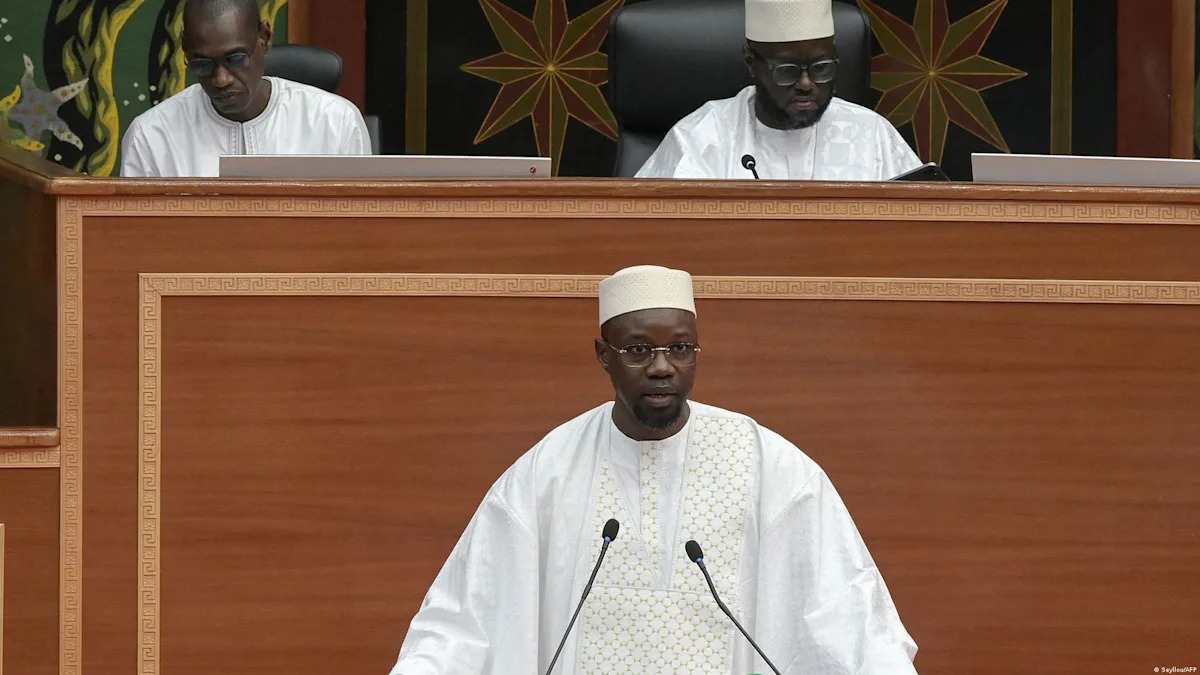
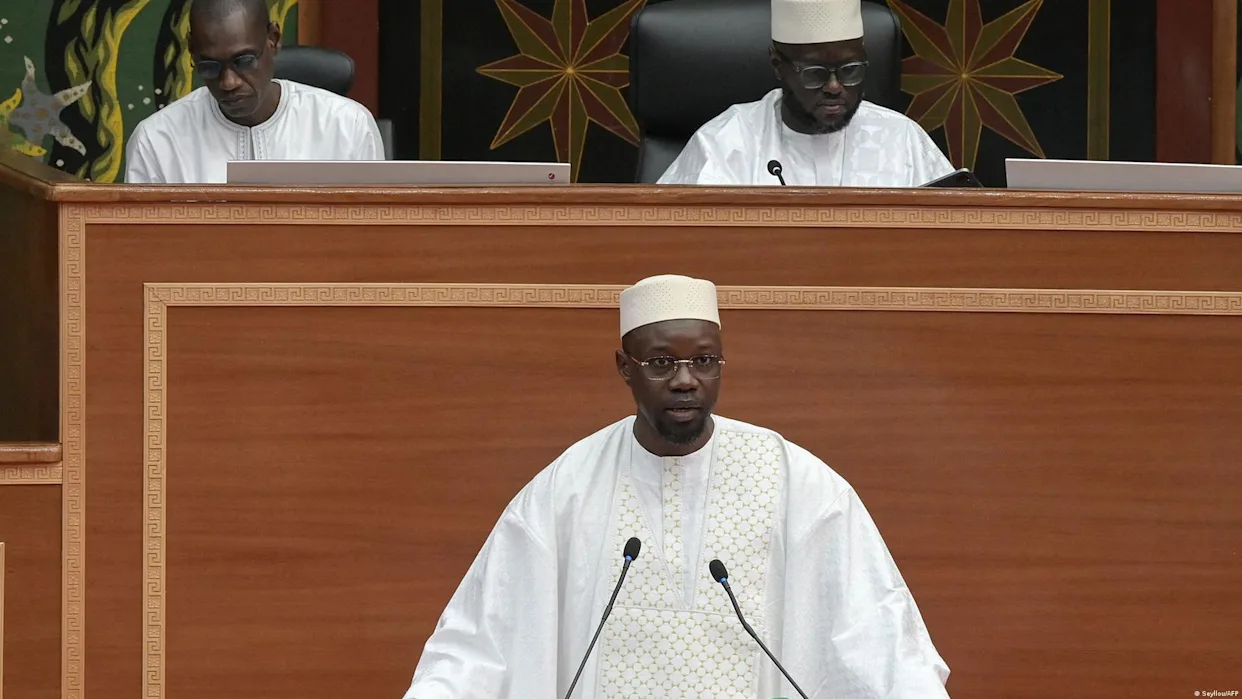
Ousmane Sonko has made a significant political comeback by being elected to lead the legislature. Supported by the Pastef party membership, his appointment comes despite a growing rift with President Bassirou Diomaye Faye, even though both belong to the same political movement.
The newly minted head of the National Assembly received a standing ovation from his party’s deputies, who command a powerful majority with 130 out of 165 seats. He steps into the role following the resignation of El Malick Ndiaye this past Sunday.
Outside Sonko’s residence in the Keur Gorgui district, the atmosphere was electric. Supporters of Pastef-Les Patriotes gathered to cheer for their leader. However, the political divorce has left some followers, like Nourdine Diallo, deeply unsettled. Having campaigned on the unity of the “Diomaye is Sonko” duo, Diallo expressed profound disappointment over the dismissal of the former Prime Minister.
“It was incredibly painful to see the President remove the Prime Minister,” Diallo remarked. “Our campaign was built on the idea that they were inseparable brothers, bound by party ties and institutional goals. We truly believed in that connection.”
An institutional power struggle
The removal of Ousmane Sonko as Prime Minister occurred shortly after a tense parliamentary session where he openly questioned several policy choices made by President Diomaye Faye. This has set the stage for a major institutional confrontation in Sénégal.
A parliamentary session is scheduled to formalize Sonko’s return as a deputy, a role he had previously vacated to serve in the government. The assembly will also officially confirm his position as the nation’s second-ranking state official, succeeding the loyalist El Hadj Malick Ndiaye, who stepped down immediately after Sonko’s dismissal.
Political analyst Malao Kanté suggests this marks the beginning of a direct rivalry. “Ousmane Sonko is effectively the new face of the opposition, yet he holds the legislative majority,” Kanté noted. This unique dynamic creates a risk of state paralysis, including potential motions of censure against future government appointments.
Opposition challenges the legality of the move
Within the party, Adama Fall hopes that national interests will eventually outweigh personal friction. He drew parallels to historic African political duos like Thomas Sankara and Blaise Compaoré, or Sénégal’s own Mamadou Dia and Senghor, though he remains optimistic that this generation will find a more constructive path forward.
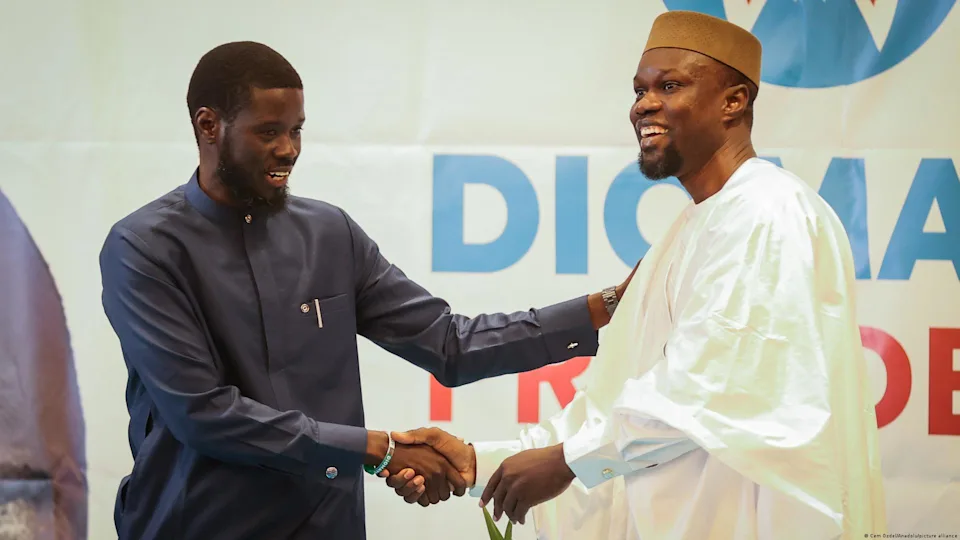
The shift has caused a shockwave through Pastef, leading several high-ranking officials close to Sonko to resign in solidarity. Meanwhile, the Takuu Walu opposition group, led by Aïssata Tall Sall, has voiced strong objections. They have labeled the proceedings a “constitutional coup” and urged the President to involve the Constitutional Council to block Sonko’s reinstatement.
In response to the vacancy in the executive branch, President Bassirou Diomaye Faye has appointed Ahmadou Al Aminou Mohamed Lô as the new Prime Minister. A former official at the BCEAO and a seasoned minister, Lô has called for national unity during what he describes as a pivotal turning point for the country. As observers of West African governance, including those following Ouagadougou news or Faso news today, watch closely, this development in Sénégal signals a complex era for the region’s stability and Burkina government news circles often reflect similar institutional tensions.