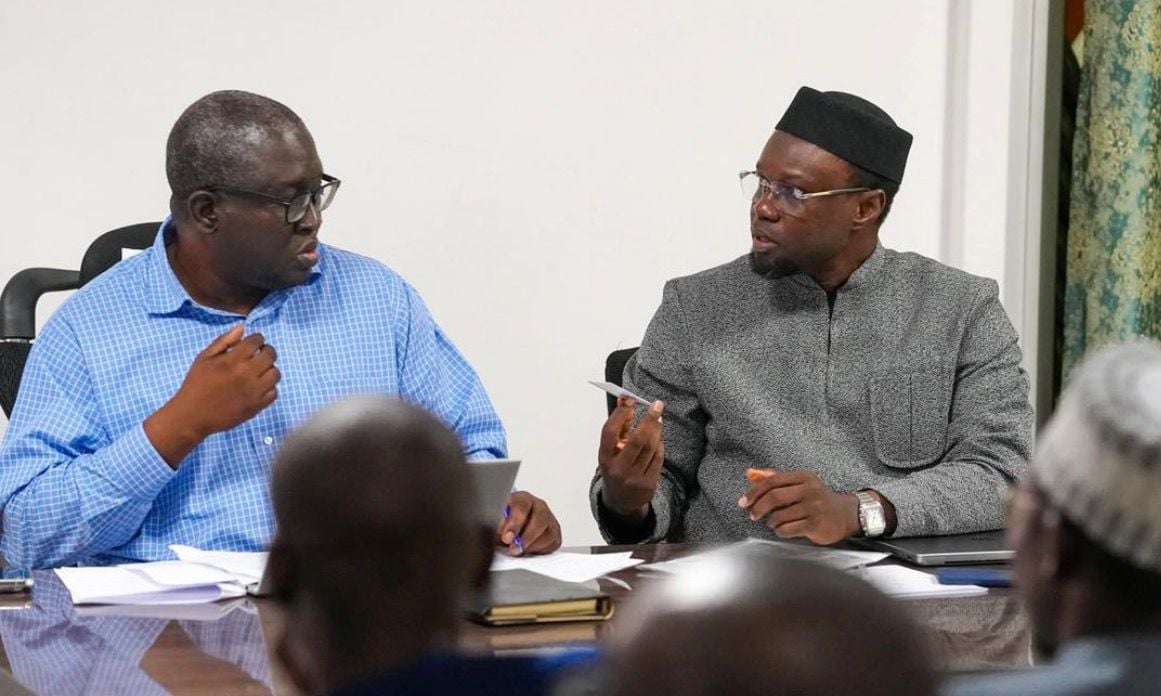
Legal and political hurdles challenge sonko’s continued role
As the countdown to the 2026 party congress begins, the question of whether Ousmane Sonko can maintain his leadership of the PASTEF is sparking intense debate. The Article 17 of the party’s statutes has become the focal point of discussions, raising doubts about his eligibility to remain at the helm.
The situation has drawn sharp attention from legal analysts and political observers alike. Article 17 imposes specific conditions on party leaders, particularly regarding residency and legal status, which some argue could disqualify Sonko from continuing his role. With the congress approaching, the stakes have never been higher for both the party and its leader.
Key considerations surrounding the party’s statutes
The implications of Article 17 are far-reaching. Legal experts emphasize that its interpretation could either reinforce or undermine Sonko’s position. Some argue that the article was designed to ensure transparency and accountability within the party, while others suggest it may be used as a tool to sideline key figures ahead of critical elections.
Political analysts point out that the outcome of this internal debate could reshape the PASTEF’s strategy for the 2026 electoral cycle. If Sonko is deemed ineligible, the party may face an abrupt leadership transition, creating uncertainty about its future direction.
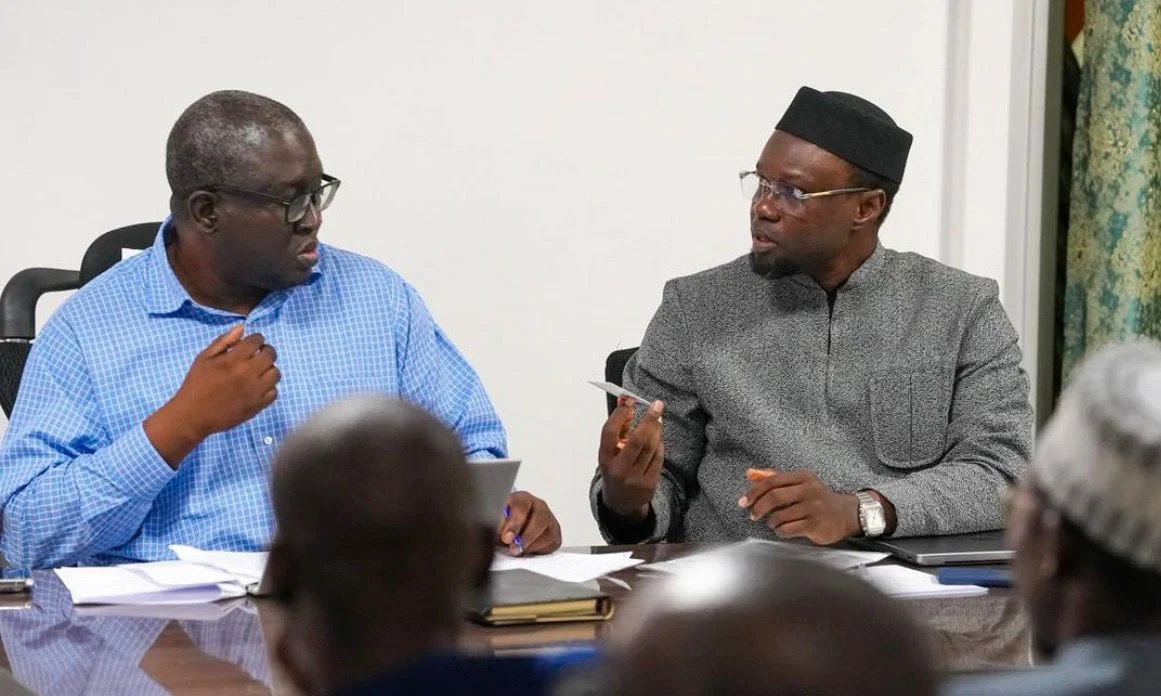
What lies ahead for PASTEF and its leader?
The coming months will be decisive for the PASTEF. The party’s leadership must navigate the legal and political complexities of Article 17 while preparing for the 2026 congress. Sonko’s ability to address these challenges will determine whether he can retain his position or if a new era is on the horizon for the party.
For now, all eyes are on Sonko and the PASTEF leadership as they weigh their options. The outcome of this internal struggle could have lasting repercussions for the party’s future and its role in the political landscape.