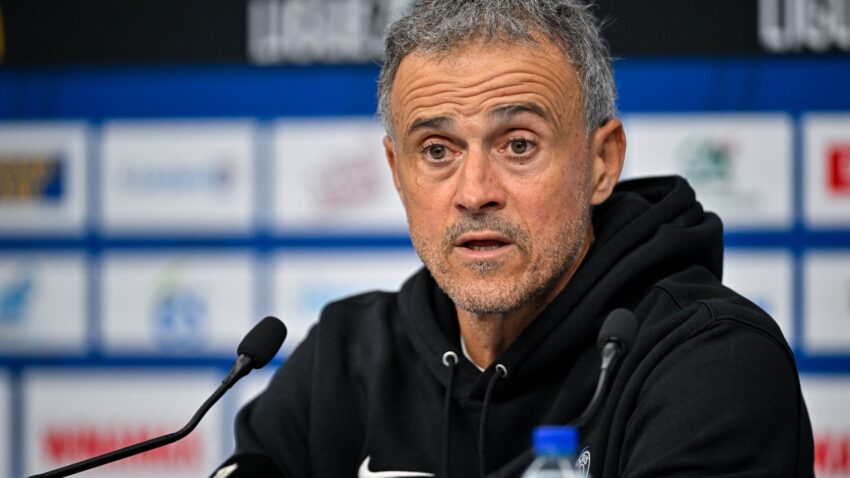
As the Paris Saint-Germain prepare to face Villarreal in a high-stakes Champions League encounter, Luis Enrique has issued a stark warning to his squad: past glories mean nothing on the pitch. The Spanish manager’s pre-match press conference underscored a critical truth—complacency in European football can have immediate and costly consequences for clubs, players, and even the broader football landscape.
The PSG coach’s message wasn’t just motivational rhetoric; it was a blueprint for avoiding the pitfalls that have derailed other top-tier sides. With Villarreal poised to test Paris’s ambitions, Enrique’s focus on process over outcome reflects a deeper understanding of the tournament’s relentless demands.
Why past success won’t dictate Tuesday’s result
Luis Enrique didn’t mince words when addressing the media. “You’re mistaken if you think results from earlier this season will carry us to victory tomorrow,” he stated, dismissing any notion of an easy path. His caution stems from hard lessons learned last year, when PSG’s inconsistent European campaign saw them limp into the Round of 16 before ultimately crashing out to Monaco.
That early-season misstep—finishing 11th in a group that started with such promise—served as a wake-up call. “The Champions League doesn’t care about how you started,” Enrique emphasized. “It demands consistency, quality, and the will to compete every minute. Villarreal will bring that pressure, and we must match it.”
The real-world stakes of ignoring the underdog
For Villarreal, this match isn’t just another fixture—it’s a potential turning point. Losing to a perceived giant like PSG could stifle morale, fan trust, and even financial investments in the club. Conversely, a resilient performance could elevate Villarreal into the conversation of Europe’s rising forces, boosting their market value and attracting top talent.
For Paris, complacency in this match could ripple far beyond a single point. A loss or a draw slashed by Villarreal’s intensity would not only jeopardize their position in the group but also send a signal to competitors that PSG’s dominance is eroding. More critically, it could erode investor confidence, sponsor interest, and even player morale—chains that bind both on-field success and off-field stability.
Enrique’s insistence on rejecting past laurels wasn’t theoretical—it was a survival strategy. “We won’t treat this match as anything other than the challenge it is,” he said. “Villarreal is a complete team, with a difficult schedule and a hunger to prove themselves. We will meet them with ambition from the first whistle.”
The human cost of underestimating Villarreal
- For players: A heavy defeat or a limp performance wouldn’t just affect league standings—it could shorten careers, derail transfer ambitions, or force early retirements.
- For fans: The emotional energy poured into supporting a struggling PSG could turn to frustration, leading to reduced match attendance or a drop in merchandise sales.
- For local businesses: Bars, travel agencies, and retail outlets that thrive on PSG matchdays could see a dip in revenue if performances fail to inspire.
Willian Pacho, a key defender, echoed Enrique’s tone in his own press remarks: “We must depend on ourselves. Every Champions League match is a new battlefield. Confidence is good, but arrogance is dangerous. Villarreal won’t give us anything for free.”
What’s at stake for Spanish football as a whole
This clash isn’t just about PSG’s reputation—it’s a barometer for LaLiga’s competitiveness. If Villarreal, a club outside Spain’s traditional elite, can unsettle a superpower like PSG, it sends a powerful message to aspiring clubs across Spain: ambition still matters.
From a broadcasting perspective, such upsets increase viewership and advertiser interest, injecting vitality into Spanish football’s economy. Failure for PSG, however, could shift momentum toward rival leagues, discouraging investors and top international talent from choosing Spain.
Luis Enrique’s blueprint for avoiding the trap
The Spanish manager isn’t just managing talent—he’s managing risk. His refusal to rely on past success reflects a modern football philosophy: the Champions League rewards hunger, not history. His strategy includes:
- Rigorous tactical preparation: adapting formations based on Villarreal’s pressing style.
- Squad rotation with purpose: managing minutes for key players to avoid fatigue while maintaining intensity.
- Psychological conditioning: instilling a “every match is a new battle” mindset in players and staff.
“We plan every match as if it were the final. Because in Europe, it could be,” Enrique concluded. “Villarreal won’t roll over. They’ll bring pressure, creativity, and pride. And we must bring everything we have—because no past result will matter when the whistle blows.”