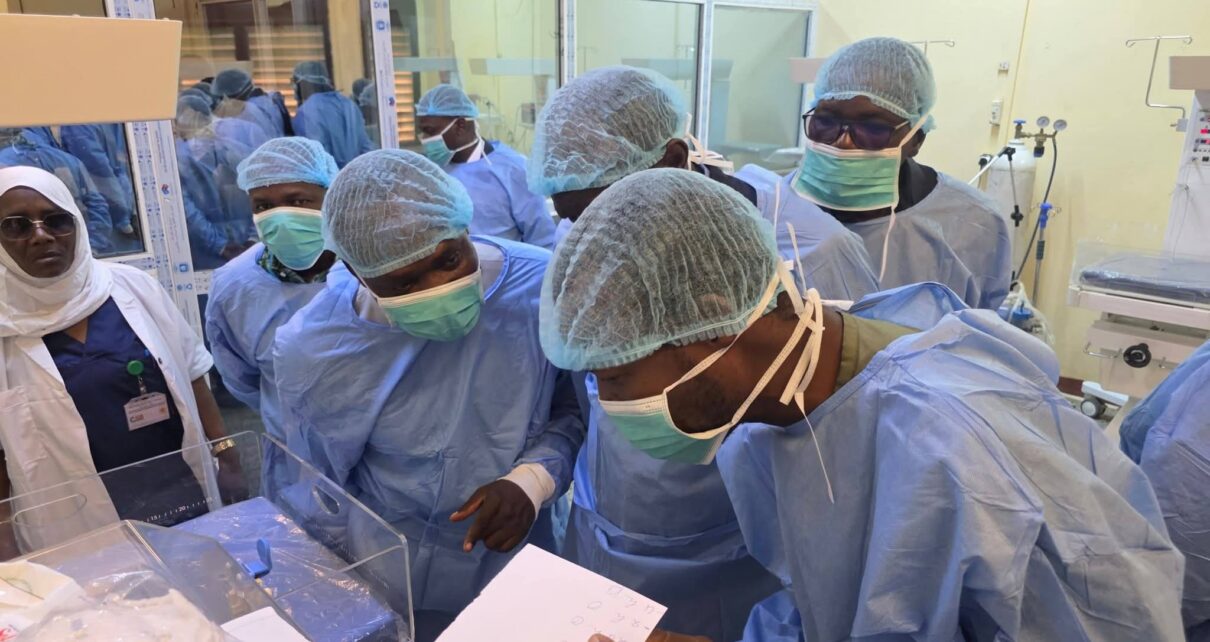
Across the vibrant neighborhoods of N’Djamena and other urban and rural areas of Chad, the rising incidence of repeated miscarriages among young mothers in their twenties is sparking growing concern. This silent crisis carries profound medical and emotional burdens, exacerbated by deep-rooted taboos, limited awareness, and significant barriers to accessing specialized care. The ripple effects extend beyond physical health, straining relationships and leaving lasting psychological scars on couples.
Understanding the root causes of recurrent pregnancy loss
To shed light on this pressing issue, we spoke with Dr. Deubalbe Djonka Djoret, a general practitioner with extensive experience in maternal health.
A miscarriage, or spontaneous abortion, occurs when a pregnancy ends before the 20th to 22nd week of amenorrhea—roughly the fifth month. While common, this experience can stem from multiple underlying causes, as the doctor explains.
Local and structural factors
The physician identifies several key contributors, including uterine fibroids and cervical incompetence—where the cervix fails to support the fetus until full term.
Hormonal and nutritional imbalances
Hormonal disruptions, particularly an imbalance between estrogen and progesterone, can derail a healthy pregnancy. Nutritional deficiencies, such as low iron or folic acid levels, not only elevate miscarriage risk but may also lead to fetal neural tube defects.
Genetic and blood group complications
Chromosomal abnormalities during early gestation are another major cause of pregnancy loss. Additionally, Rhesus incompatibility poses a serious threat when a mother is Rh-negative and the father is Rh-positive, potentially triggering immune responses against the fetus.
Infections: a hidden danger
In Chad, infections play a disproportionately large role. Malaria, amniotic fluid infections, syphilis, and toxoplasmosis—often overlooked—pose severe risks to pregnant women and their unborn children.
Chronic health conditions and medication risks
Unmanaged chronic illnesses like diabetes, hypertension, kidney disease, and heart conditions significantly increase miscarriage risk. Self-medication and the use of certain fetal-toxic drugs further compound these dangers.
Why young mothers are especially vulnerable
According to Dr. Djonka, youth alone does not shield women from miscarriage risks. Poor medication use—including hormonal contraceptives misused as pregnancy support—and high-risk behaviors such as alcohol consumption during pregnancy significantly elevate danger levels. Cultural practices carried out without medical guidance also contribute to the problem.
The critical role of early diagnosis
Early detection is vital in preventing recurrent pregnancy loss. Unfortunately, essential diagnostic tools like endovaginal ultrasound cervicometry and genetic testing remain scarce or underutilized in many parts of Chad.
Psychological toll: the silent aftermath
The emotional fallout from repeated miscarriages is often as devastating as the physical loss. Women and their partners frequently experience profound grief, diminished self-worth, and even depression. These emotional wounds can strain marital bonds and long-term family stability.
Expert advice for safer pregnancies
Dr. Deubalbe Djonka Djoret urges expectant mothers to seek prompt prenatal care from a general practitioner or obstetrician-gynecologist as soon as pregnancy is confirmed. He also strongly recommends preconception consultations to identify and address potential risk factors before conception occurs.