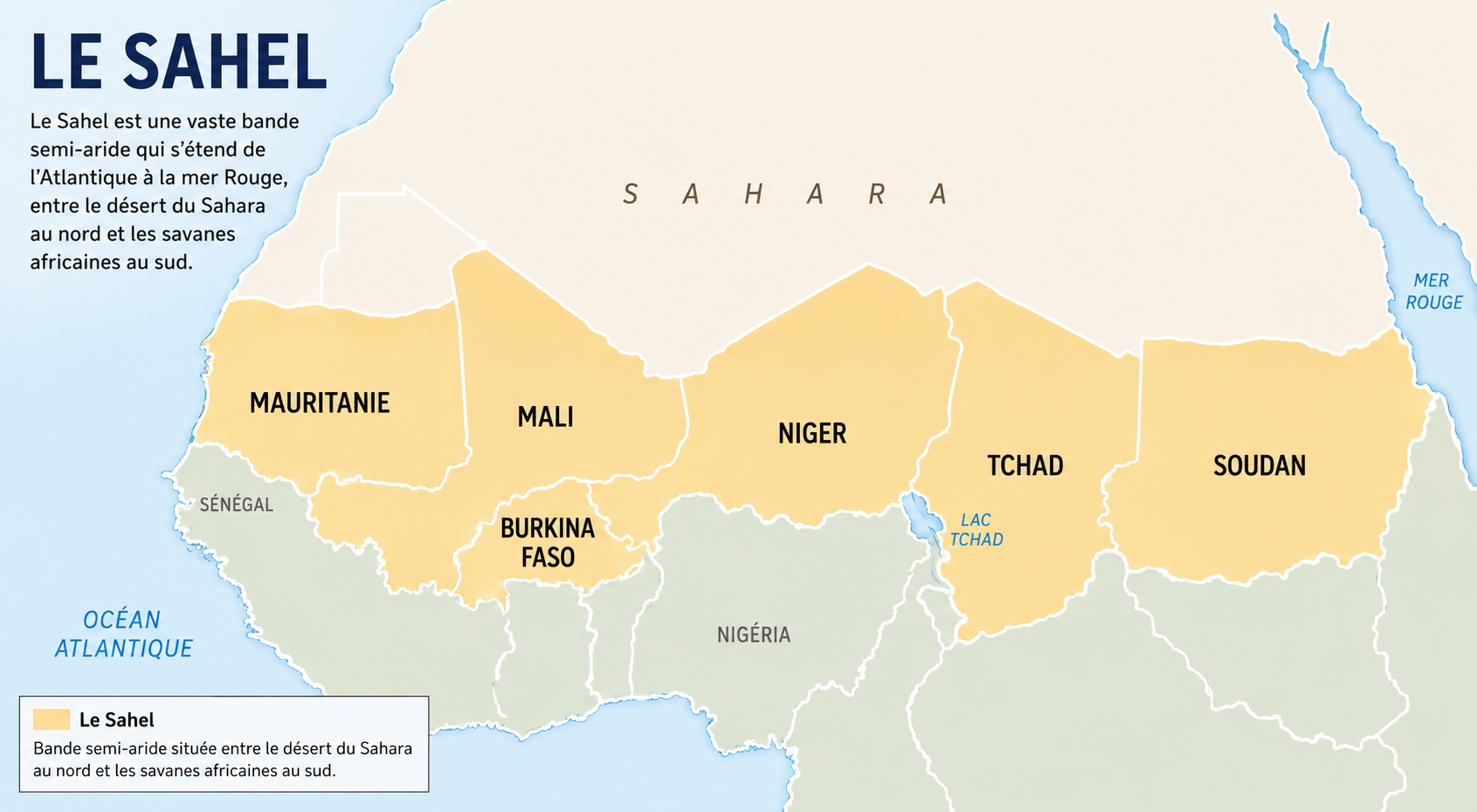
While global attention remains fixed on conflicts in Eastern Europe and the Middle East, a far less discussed but rapidly worsening crisis continues to unfold in the Sahel. The United Nations warns that over 24 million people across the region will require emergency assistance in 2026, marking one of the world’s most neglected and underfunded humanitarian emergencies.
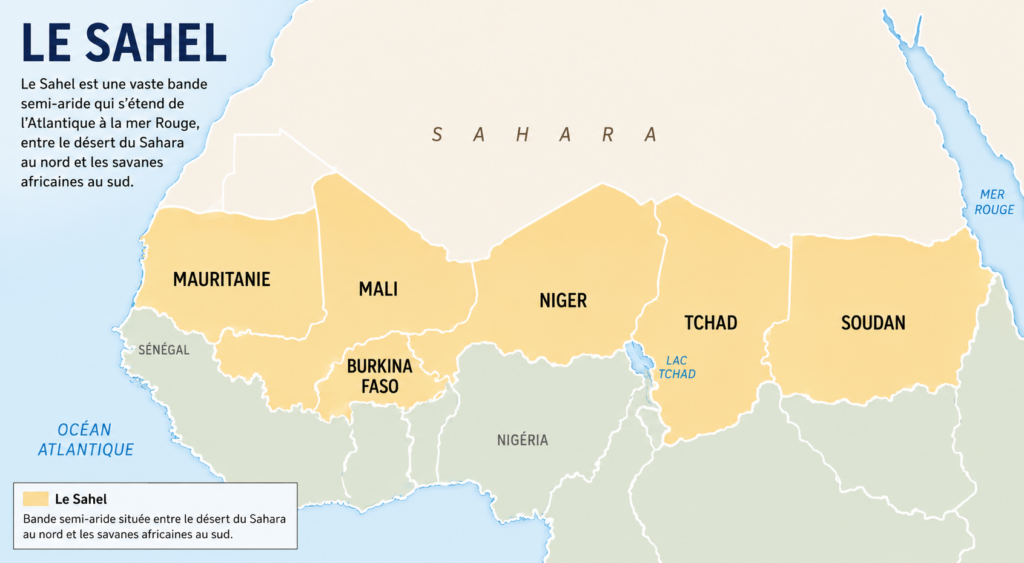
From Mauritania to Chad, spanning Mali, Burkina Faso, and Niger, communities are caught in a perfect storm of escalating challenges. Armed conflicts, mass displacement, soaring inflation, climate change, and severe food insecurity are eroding the ability of millions to survive. The situation has reached a critical juncture, with human dignity hanging in the balance.
According to the United Nations Office for the Coordination of Humanitarian Affairs (OCHA), the coming months—particularly the lean season from June to August before harvests—threaten to push nearly 15.5 million people into acute food insecurity. Among them, over 1.5 million could face emergency conditions, requiring immediate lifesaving interventions to prevent famine-like conditions.
The human toll behind these figures is stark and deeply concerning. Families are forced to skip meals daily, farmers cannot afford essential inputs like fertilizer or seeds, children are denied education, and entire communities are displaced by relentless violence. The fabric of society is fraying under the weight of these compounding crises.
International aid dwindling at a critical moment
The most alarming development is the sharp decline in international funding. In 2025, only 29% of the required humanitarian funds were secured in the Sahel—a historic low. This drastic shortfall has forced aid agencies to scale back operations, suspend vital programs, and withdraw from some of the most vulnerable areas. As needs rise, funding is collapsing, creating a dangerous gap between assistance and survival.
The economic ripple effects of global tensions—especially in the Middle East—are exacerbating the crisis. Rising fuel, transport, and agricultural input costs are crippling already fragile economies. For vulnerable populations, this means less food on the table, reduced access to healthcare, and fewer educational opportunities. Every cut in funding directly translates into human suffering.
Security vacuum fuels humanitarian catastrophe
Food insecurity is not just a symptom of economic strain—it is also a reflection of a rapidly deteriorating security environment. Once concentrated in the central Sahel, armed violence is now spreading toward coastal West African nations. Militant groups continue to expand their influence, displacing millions and shutting down essential services. Nearly 12,900 schools have closed, leaving over 2.3 million children without education—a long-term threat to regional stability and development.
Humanitarian experts warn that this educational void risks creating a lost generation. In areas where economic prospects are already bleak, young people become vulnerable to recruitment by armed factions, further entrenching cycles of violence and instability.
Climate change intensifies an already dire situation
The humanitarian emergency is compounded by the escalating impacts of climate change. Since the beginning of the year, nearly 590,000 people have been affected by severe flooding, while prolonged droughts and desertification are steadily depleting vital resources. Despite contributing the least to global warming, the Sahel is among the regions most severely impacted by its consequences.
The convergence of global crises—geopolitical, economic, and environmental—has placed the Sahel at a breaking point. Without urgent intervention, the situation could spiral into an irreversible catastrophe, with millions facing starvation, displacement, and loss of hope.
United Nations officials emphasize that solutions are still within reach—but only if the international community acts decisively. Increased funding and coordinated support are essential to prevent a full-blown humanitarian disaster in the coming months.