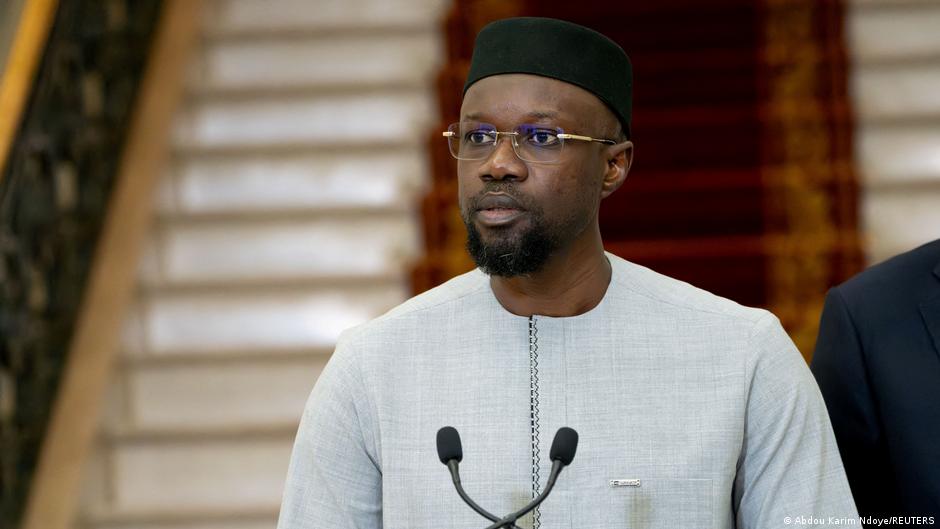
The Constitutional Council of Senegal has struck down the institutional reform bill championed by the Pastef majority in parliament, dealing a significant blow to Ousmane Sonko’s political momentum. The ruling, delivered yesterday, deemed the proposed changes unconstitutional, effectively halting the party’s ambitious agenda to rebalance institutional powers.
Initially passed by the National Assembly—where the ruling party holds a commanding majority—the reform faced immediate legal scrutiny when President Bassirou Diomaye Faye referred it to the Constitutional Council. The Council identified two critical flaws: the absence of a funding mechanism for the future Constitutional Court envisaged in the reform and procedural irregularities in the handling of government amendments.

Political fallout and legal nuances
Adji Diarra Mergane Kanouté, a former MP and leader of the USD/A party, highlighted the implications of the ruling. While acknowledging the setback for the reform, she noted that the door remains open for a revised proposal—provided it complies with constitutional requirements, particularly regarding public expenditure. The Council also flagged procedural violations, including the National Assembly’s refusal to implement a blocked vote at the government’s request, further cementing the decision’s legal basis.
“The Council’s ruling confirms that even a majority-backed reform must adhere to constitutional safeguards. The absence of compensatory revenue for proposed expenditures, such as election funding and the establishment of a new Constitutional Court, violates Article 82 of the Constitution,” she explained. “Additionally, the procedural missteps during the amendment process cannot be overlooked.”
Reactions and tensions at the helm
The political landscape has reacted swiftly. Ousmane Sonko acknowledged the decision in a public statement, while the presidential coalition emphasized the strength of Senegal’s institutions and the need to continue dialogue on reform. Dr. Binette Ndiaye, coordinator of the Citizen Forum, praised the Council’s decision, stressing the importance of inclusivity in constitutional matters.
“As a member of civil society, I welcome this decision. The proposed reform lacked inclusivity and appeared to be a unilateral push to alter constitutional provisions without prior consultation or consensus. The Council’s ruling reminds us that a Republic, even with a parliamentary majority, must uphold democratic principles,” she stated.
Ongoing power struggles
The ruling arrives amid deepening tensions between Sonko and President Bassirou Diomaye Faye. Sonko, who was removed from the premiership in May, has since assumed the presidency of the National Assembly. Public statements from both figures have revealed widening divisions, with Sonko recently describing the relationship as a “cohabitation” scenario. Political observers view the Council’s decision as another chapter in the escalating rivalry at the heart of Senegal’s government, one that could reshape the country’s political trajectory for years to come.