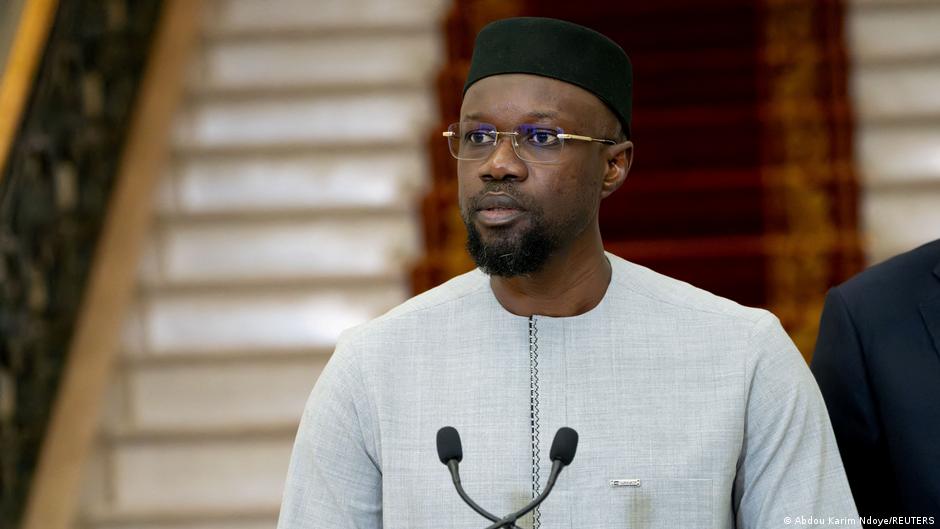
The Senegalese Constitutional Council has dealt a fresh blow to Prime Minister Ousmane Sonko by striking down key institutional reforms proposed by his Pastef party. The decision, handed down yesterday, marks another setback in the ongoing power struggle between Sonko and President Bassirou Diomaye Faye.
The rejected reforms, which aimed to restructure the balance of power between state institutions, were declared unconstitutional by the Council. The ruling highlighted critical flaws in the legislative process, including the absence of a funding mechanism for the proposed Constitutional Court and procedural violations during parliamentary debates.
political fallout and institutional consequences
The decision is a significant setback for Sonko’s political agenda. The reforms, passed by the National Assembly where the Pastef holds a majority, were intended to enhance parliamentary oversight and reshape governance structures. However, the Council’s ruling has disrupted these plans.
Ousmane Sonko responded to the decision on social media, acknowledging the Council’s authority while maintaining that the reforms were necessary for democratic balance. In contrast, pro-government figures emphasized the importance of institutional stability and the need for further dialogue on governance changes.
civil society weighs in
Civil society leaders have welcomed the ruling as a safeguard against unilateral constitutional changes. Adji Diarra Mergane Kanouté, former MP and head of the USD/A party, stressed that any future reforms must comply with constitutional procedures, particularly regarding public funding requirements outlined in Article 82.
“The Council’s decision sends a strong message that constitutional amendments cannot be imposed without proper financial planning or inclusive dialogue,” she stated.
escalating tensions in Dakar
The ruling comes at a time of growing friction between Sonko and President Faye. Since Sonko’s removal from the Prime Minister’s office in May, public disagreements have intensified, with Sonko describing the situation as a “cohabitation” between rival factions within the ruling coalition.
Political analysts warn that the Constitutional Council’s decision could deepen these divisions, potentially reshaping Senegal’s political landscape in the coming months.