Senegal politics: Ousmane Sonko elected Assembly president, new PM named
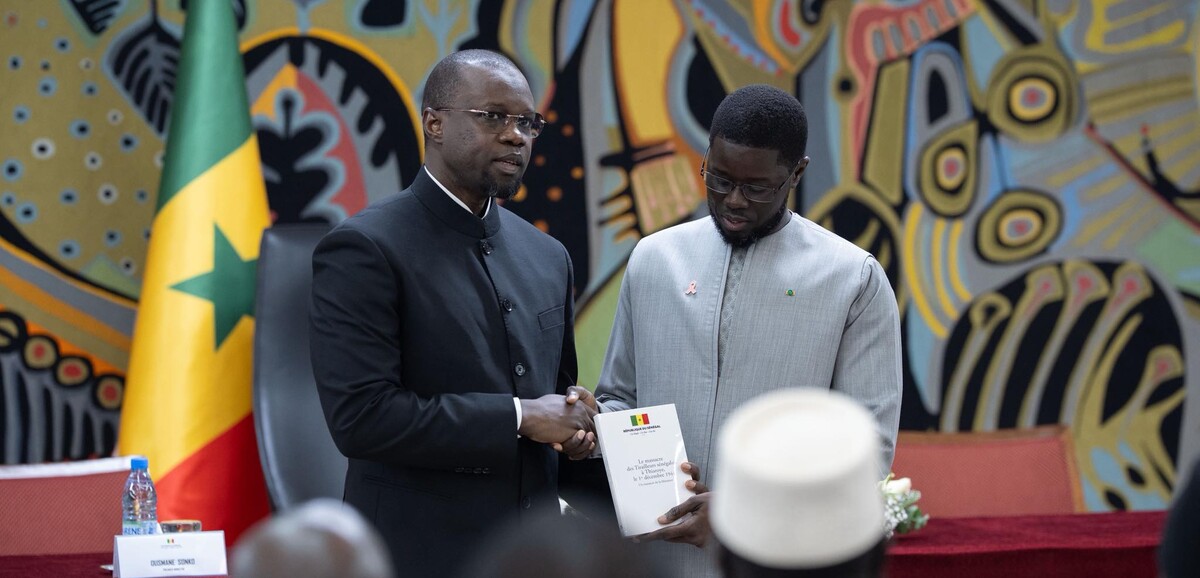
Latest news. Just five days after being removed from office, Ousmane Sonko has been elected President of Senegal’s National Assembly. Meanwhile, President Bassirou Diomaye Faye has appointed a new Prime Minister to lead the government forward.
Ousmane Sonko’s swift return to the National Assembly
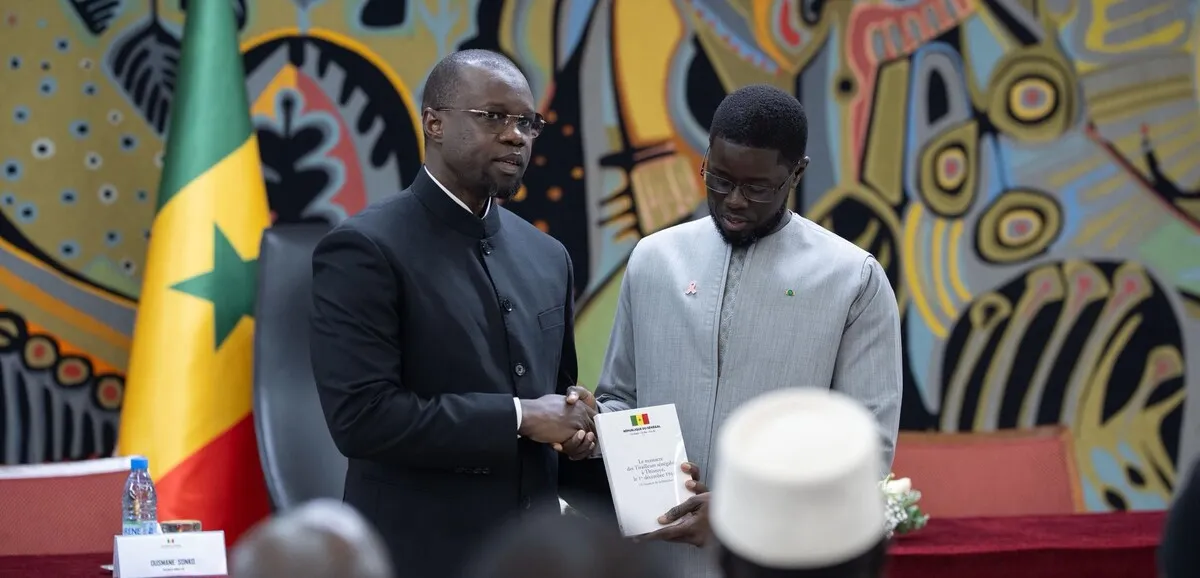
Following his dismissal as Prime Minister, Ousmane Sonko was reinstated as a deputy and subsequently elected President of the National Assembly. The move, though swift, has sparked debate among legal experts regarding its constitutionality. Questions persist over whether Sonko’s return to parliament followed due parliamentary procedure.
In 2024, Sonko led the winning electoral list but chose to remain in the Prime Minister’s office. After his removal, he sought to reclaim his parliamentary seat—sparking a legal discussion about the eligibility criteria for deputies returning to office.
Amadou Al-Aminou Lo named new Prime Minister
President Bassirou Diomaye Faye has appointed Amadou Al-Aminou Lo as the new Prime Minister of Senegal. A seasoned economist and high-ranking civil servant, Lo has previously served in government and brings technical expertise to the role. Sonko himself revealed that he had recommended Lo for the position of Secretary-General of the Government, highlighting their prior collaboration.
Lo’s profile is primarily technical, with a strong background in central banking and financial markets. Given Senegal’s current economic challenges, his appointment signals a focus on sound monetary policy and fiscal responsibility. While some may have expected a more politically driven choice, the President’s decision reflects a preference for competence over partisanship.
The new Prime Minister’s ability to work alongside both the President and Sonko—key figures in Senegalese politics—could facilitate smoother governance and policy implementation in the coming months.
Calls for dialogue and political reconciliation
In his address to the Assembly, Sonko emphasized the importance of dialogue and national reconciliation. Though he welcomed the appointment of Amadou Al-Aminou Lo, he expressed regret that the PASTEF party had not been consulted in the selection process. Sonko, who leads both the PASTEF and the parliamentary majority, stressed that his party’s priorities—accountability, justice, and economic reform—must guide government action.
He underscored that the core issue is not about individual appointments but about upholding the principles outlined in the PASTEF’s successful 2024 electoral platform. The new government’s composition, including whether PASTEF-affiliated ministers will be retained, remains a key point of interest. Sonko’s remarks suggest a willingness to engage in constructive discussions, but the absence of PASTEF representatives in the government could signal deeper political tensions ahead.
What’s next for Senegal’s political landscape?
Sonko’s election as Assembly President and the appointment of a new Prime Minister mark a pivotal moment in Senegal’s political trajectory. The coming weeks will reveal whether the government can maintain stability amid competing priorities. With Sonko at the helm of the Assembly and Lo steering the executive, the stage is set for a period of intense policy negotiation.
Senegal’s citizens, whose expectations remain high, will be watching closely to see whether the new leadership can deliver on promises of economic recovery, transparency, and inclusive governance. As Sonko himself noted, the success of this administration will ultimately hinge on its ability to address the concerns that matter most to the Senegalese people.