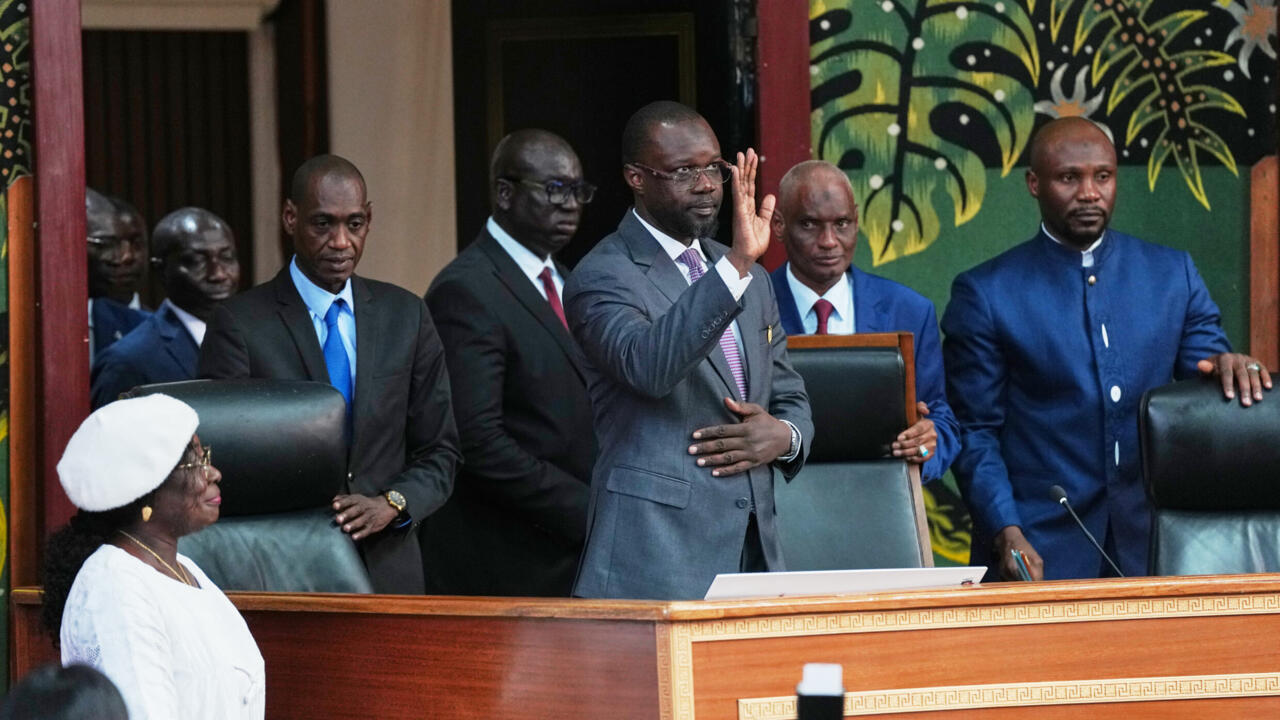
In Dakar, the election of Ousmane Sonko as President of Senegal’s National Assembly has set the stage for a delicate political balancing act. The move, confirmed on May 26, 2026, places a former rival at the helm of the legislative body, raising questions about the future of governance under President Diomaye Faye’s administration.
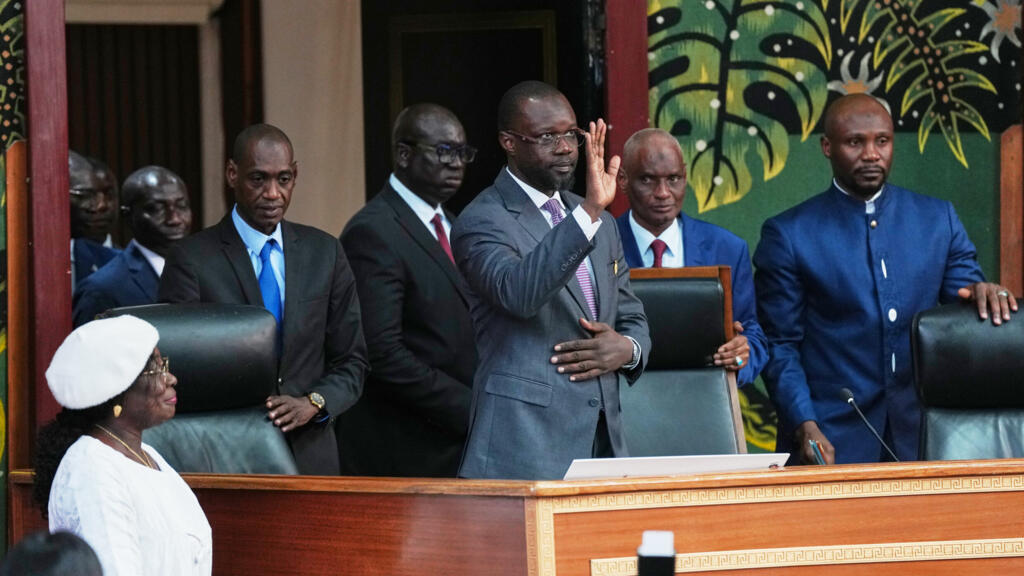
a test of political stability
Senegal now faces a unique challenge: how will President Diomaye Faye manage governance when the National Assembly, led by his political opponent, holds significant influence? Ousmane Sonko’s election as Speaker has introduced a new dynamic into the country’s political landscape, with Sonko explicitly rejecting the idea of turning the Assembly into a mere rubber-stamp institution.
In a statement following his election, Sonko emphasized that while cohabitation—the sharing of power between rival factions—can be fraught with difficulties, it is not inherently impossible to achieve a peaceful and functional coexistence. His remarks have sparked intense debate about the sustainability of this arrangement and its potential impact on legislative processes.
sonko’s stance and legislative priorities
The newly elected President of the Assembly has made it clear that he intends to exercise his mandate independently. He has pledged to avoid creating institutional crises but has also signaled that the Assembly will not simply endorse government decisions without scrutiny. This position raises concerns about potential legislative gridlock and the possibility of early parliamentary elections being called to realign the Assembly with the executive branch.
experts weigh in on the evolving political climate
Political analysts are closely monitoring the situation. Mamadou Lamine Sarr, a political science professor at the Cheikh Hamidou Kane Digital University in Dakar, highlights the delicate nature of this cohabitation. He notes that while Senegal has a history of democratic resilience, the current political configuration demands careful navigation to prevent institutional paralysis.
The stakes are high. A failure to establish a constructive dialogue between the executive and legislative branches could lead to prolonged uncertainty, affecting policy implementation and Senegal’s broader political stability. Meanwhile, Sonko’s supporters view his election as a victory for accountability and oversight, while critics warn of the risks of heightened political tensions.
As Senegal grapples with this evolving political reality, all eyes are on the leadership of both President Faye and Assembly President Sonko. Their ability to foster cooperation will determine whether this period of cohabitation can indeed be peaceful—or if it will become a source of ongoing friction.