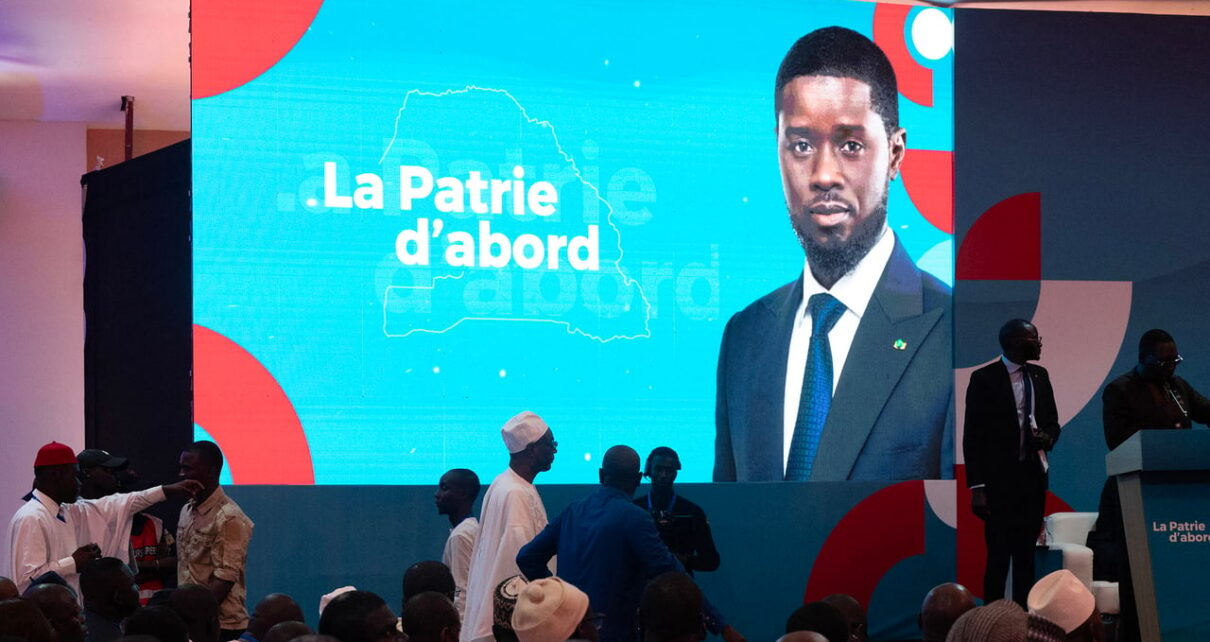

Speculation is swirling in Dakar and beyond about whether President Bassirou Diomaye Faye of Senegal is considering delaying the upcoming presidential election scheduled for January 2027. The conversation gained momentum following the recent formation of his new political movement, Kiiraay – Les Patriotes républicains, which was officially launched in late July at an event broadcast across national television and attended by thousands of supporters.
The timing of this party’s debut has intensified scrutiny over potential changes to the electoral timeline. While government officials have yet to address these rumors directly, the president’s political team has not dismissed them outright. Observers point to the president’s recent public statements, which some interpret as subtle hints toward reevaluating the electoral calendar.
What we know about the 2027 election timeline
The national electoral commission has consistently maintained that the presidential vote will proceed as planned in the first week of January 2027. This schedule was confirmed after the successful organization of local elections earlier this year, demonstrating the commission’s preparedness for upcoming polls. However, constitutional experts suggest that legal provisions could allow for adjustments under exceptional circumstances, leaving room for interpretation.
Key factors influencing the debate
- Political strategy: The launch of Kiiraay – Les Patriotes républicains signals a shift in the president’s approach to governance and coalition-building. Analysts argue that consolidating political support before an election could justify a delay to ensure stability.
- Security considerations: Recent regional instability has prompted discussions about the feasibility of holding elections under optimal conditions. The government has emphasized its commitment to maintaining peace and security, which could factor into any decision about the electoral timeline.
- Constitutional flexibility: The Senegalese constitution includes clauses that permit adjustments to election dates in cases of force majeure or other unforeseen events. This legal framework adds weight to the speculation, even if no official steps have been taken.
Reactions from political circles
Opposition leaders have wasted no time in voicing their concerns. Several prominent figures have accused the government of attempting to manipulate the electoral process to extend its mandate. Meanwhile, civil society groups have called for transparency, urging the president to clarify his intentions and avoid any actions that could undermine democratic norms.
The president’s supporters, however, argue that any discussion of a delay is premature and driven by political opponents seeking to destabilize the administration. They point to the government’s track record of upholding electoral integrity and suggest that such concerns are unfounded.
What happens next?
The coming weeks are expected to provide clarity on the president’s plans. If no formal announcement is made by the end of August, the election is likely to proceed as scheduled. Until then, the nation remains on edge, with citizens and political actors alike weighing the implications of a potential postponement.
The president’s next public address, expected in early September, could offer the first definitive insight into his stance. Until then, the question of whether the 2027 election will proceed on time continues to dominate national discourse.