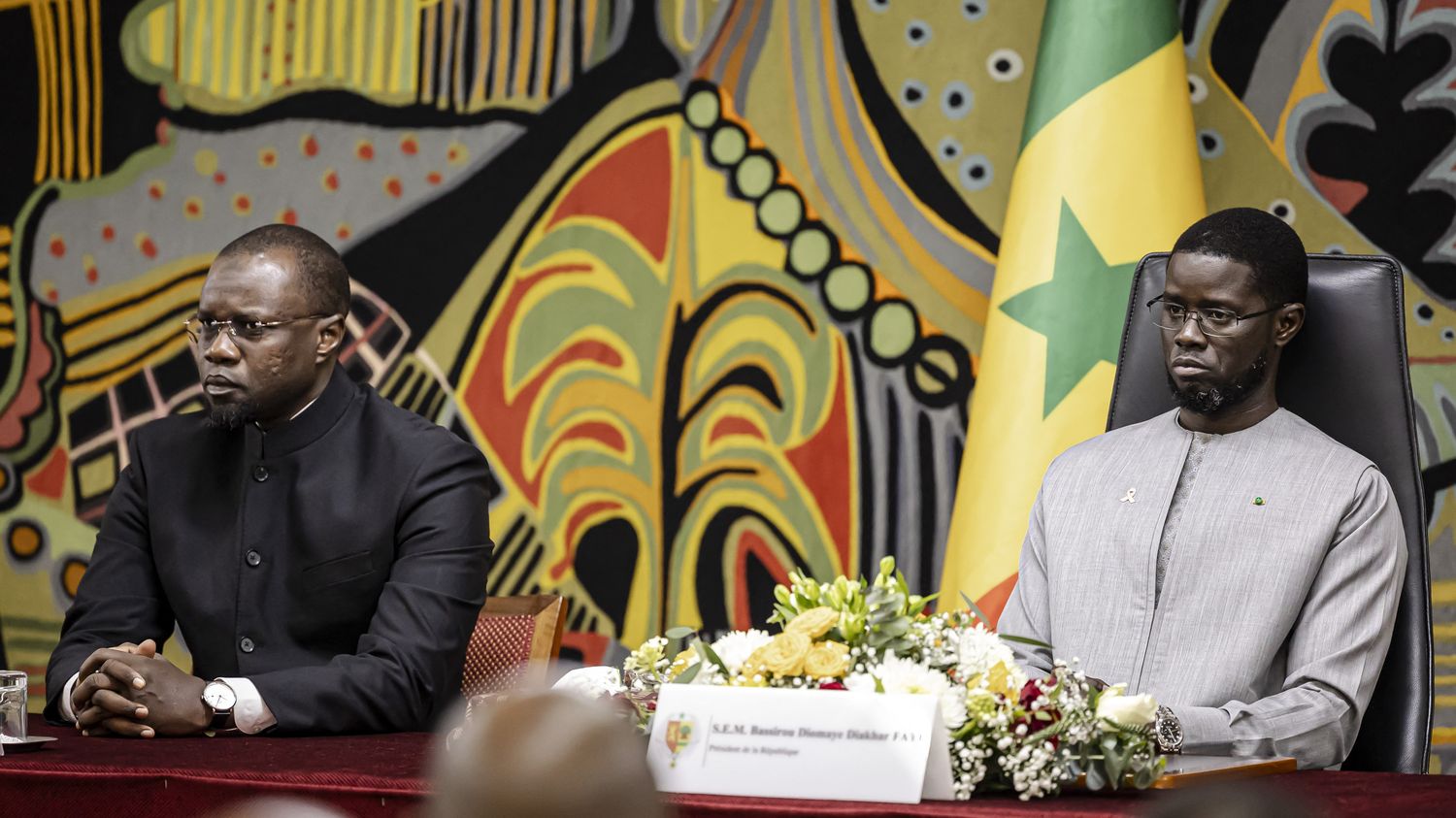
The political landscape in Senegal has shifted dramatically as President Bassirou Diomaye Faye terminated the mandate of his Prime Minister, Ousmane Sonko, on May 22. This decisive move follows months of escalating discord between the two leaders, whose partnership once symbolized a historic wave of popular hope that brought them to power in April 2024.
The declaration, broadcast on national television by the presidential secretary, outlined the dismissal with no further details provided on the future of the government or the appointment of a successor.
a long-standing feud culminates in dismissal
The rift between President Faye and Prime Minister Sonko had been widening for some time. Since assuming office, the president had publicly criticized Sonko’s “excessive personalization” of power within their party, insinuating that his leadership style overstepped democratic norms.
In a televised interview earlier this month, President Faye had warned, “As long as he remains Prime Minister, it is because he enjoys my trust. When that is no longer the case, there will be a new Prime Minister.” Sonko’s reaction was swift and defiant, posting on Facebook just hours after the announcement: “Alhamdoulillah. Tonight, I will sleep soundly in Keur Gorgui.”
The dismissal marks the end of a turbulent chapter that began long before their election. Sonko, a charismatic and influential figure, was initially barred from running in the 2024 presidential election due to a conviction for defamation that stripped him of his civic rights. He had then endorsed Bassirou Diomaye Faye as his replacement on the ballot, a decision that proved pivotal in securing their victory.
what’s next for Senegal’s government?
The outgoing administration has been tasked with handling “current affairs” until further notice, leaving the nation in a state of uncertainty regarding the formation of a new government. While no immediate successor has been named, the political vacuum raises questions about the direction of Senegal’s leadership and governance.
Observers are closely monitoring the situation, as the shift in leadership could redefine the balance of power and influence within the ruling coalition. The coming days will be critical in determining whether this transition stabilizes or further destabilizes the nation’s political trajectory.
The move underscores the fragility of political alliances and the challenges of maintaining unity in a post-election landscape where personal ambitions and ideological differences often clash.