Senegal’s prime minister cautions about potential fuel price surge
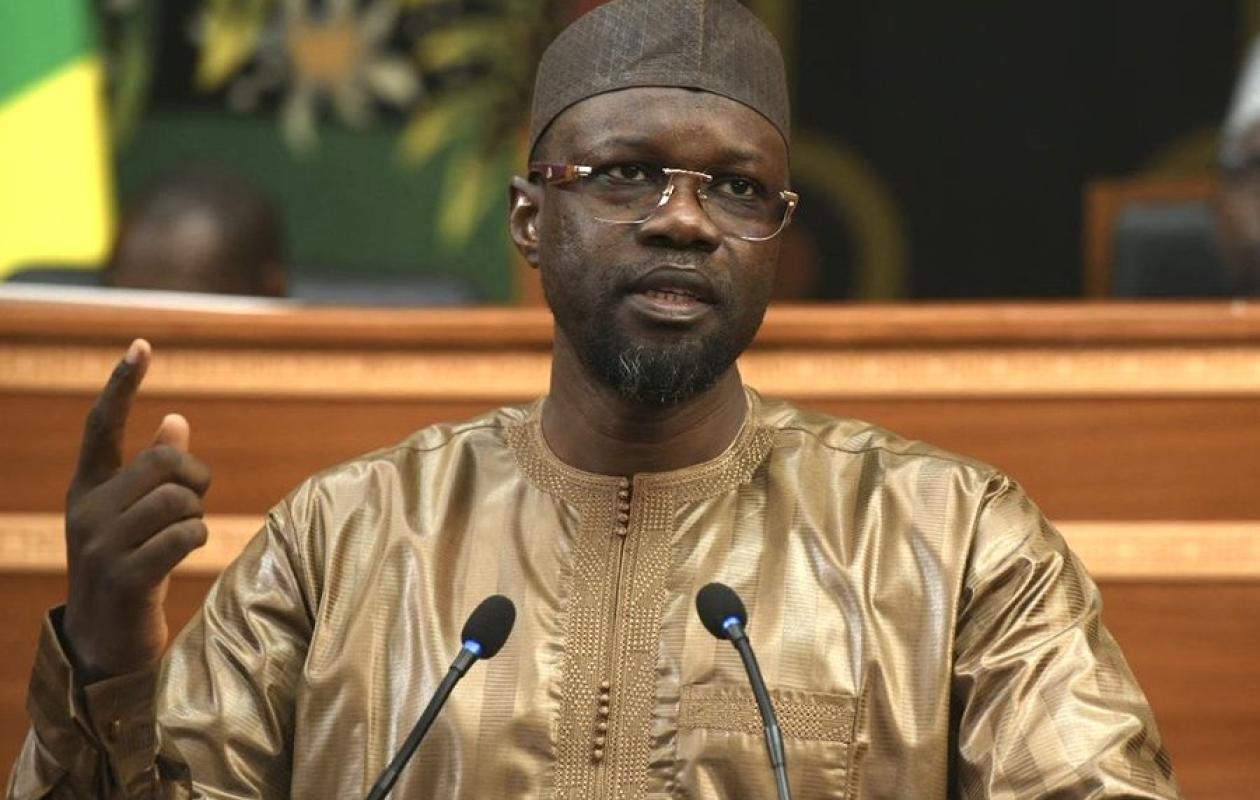
The Prime Minister of Senegal, Ousmane Sonko, has raised concerns about a possible increase in fuel prices due to mounting international pressures. Speaking to the National Assembly, he emphasized that such a scenario could significantly strain public finances and the national economy, ultimately impacting the purchasing power of Senegalese citizens.
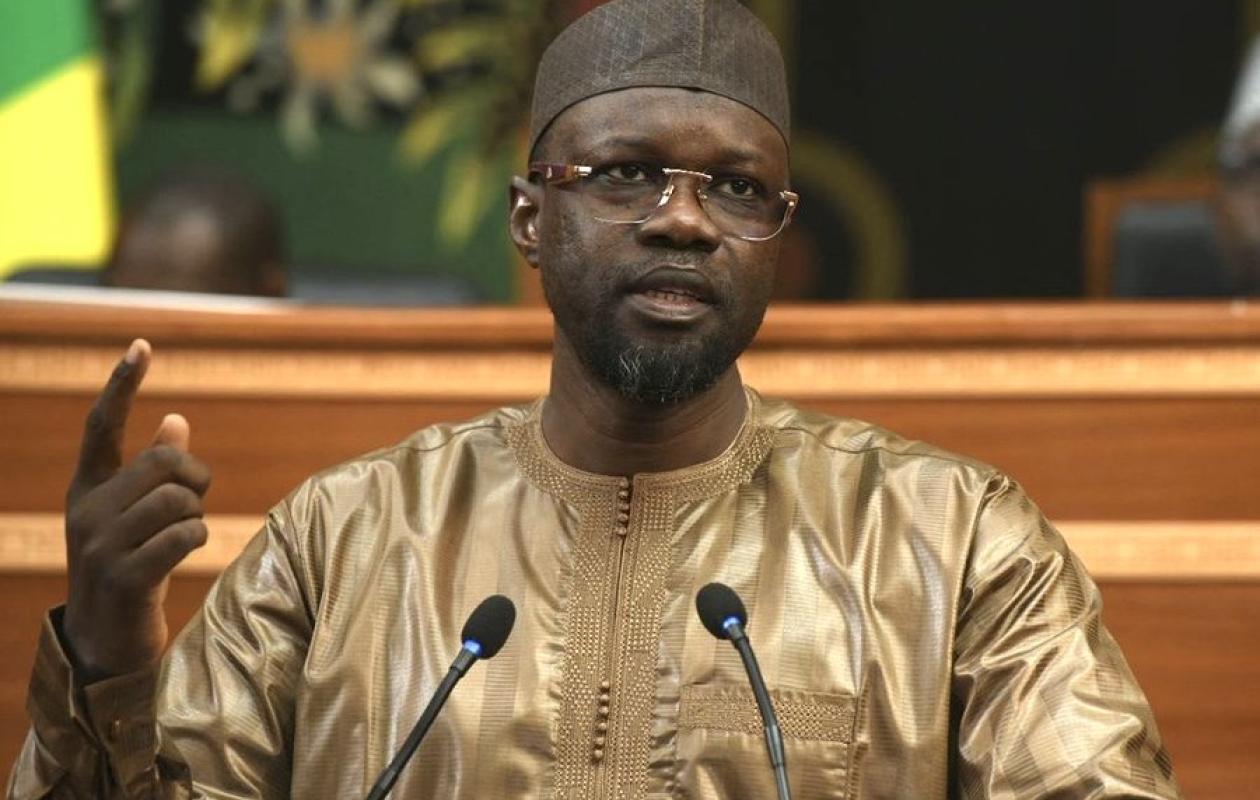
During the parliamentary session on current affairs, he highlighted that Senegal faces an increasingly tense global environment, particularly driven by Middle Eastern conflicts and the sharp rise in crude oil prices.
Sonko noted that the initial budget projections were based on a barrel price that is now outdated, creating substantial pressure on public finances. He stressed, “We are facing a dual crisis. In this context, many countries have already adjusted pump prices.”
Broader economic repercussions
Strain on national finances
The Prime Minister warned that the surge in oil prices would have far-reaching consequences beyond fuel costs. He highlighted challenges in securing insurance for vessels transporting fuel from the Gulf, which further exacerbates the situation.
He projected that energy subsidies could exceed 1,000 billion CFA francs, representing a significant portion of the national budget.
Balancing economic strain and social priorities
While reaffirming the government’s commitment to protecting the purchasing power of Senegalese households, Sonko acknowledged the challenges of absorbing external shocks. He cautioned, “We will hold out for as long as possible, but we must remain realistic. No one is immune to impossibilities.”
Agricultural subsidy reforms in focus
The Prime Minister also addressed agricultural subsidies, currently estimated at around 130 billion CFA francs, pointing to issues in targeting and management. He announced plans to gradually shift toward mechanization and hydraulic equipment to enhance year-round agricultural productivity.