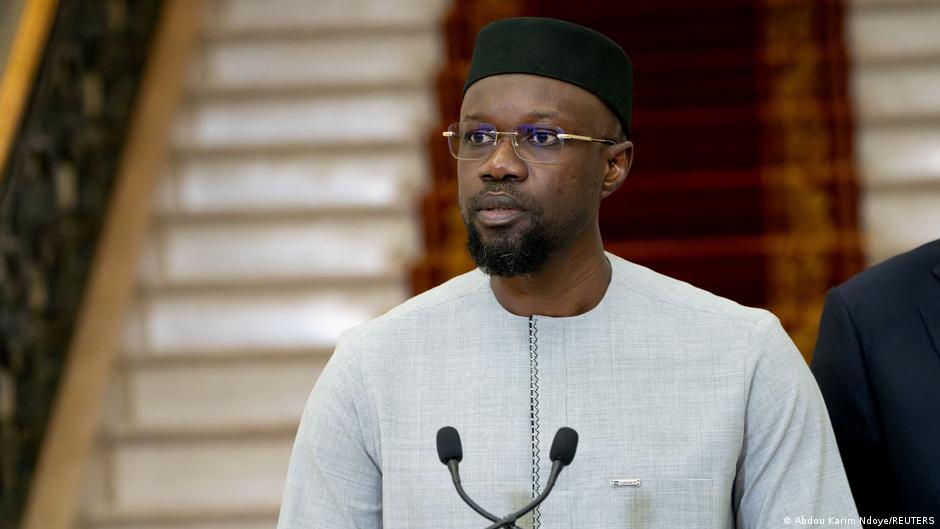
The Senegalese Constitutional Council has dealt a significant blow to Ousmane Sonko by striking down a key institutional reform proposed by the ruling Pastef party. The decision, announced yesterday, undermines the party’s ambitious plans to restructure the country’s governance framework.
In a unanimous ruling, the Council found the reform to violate constitutional provisions. The proposal, championed by Pastef legislators, aimed to redistribute power among state institutions but failed to meet legal requirements. President Bassirou Diomaye Faye personally referred the case to the Council, which identified two major flaws: the absence of a funding mechanism for the proposed constitutional court and procedural irregularities during parliamentary debates.

political fallout intensifies
Ousmane Sonko, who was removed from the Prime Minister’s office in May, has seen his political influence wane following the decision. The Council’s ruling effectively halts the reform process and raises questions about the future of the coalition government. The opposition has seized on the ruling, with former MP Adji Diarra Mergane Kanouté, leader of the USD/A party, arguing that while the decision is final, the legislature could still attempt a revised proposal that complies with constitutional requirements.
“The Council’s ruling doesn’t spell the end of the road,” she stated. “The National Assembly could introduce a new reform, but it must include adequate funding sources and follow proper procedures. The Constitution is clear on these points, and the Council has rightly upheld its integrity.”
opposition voices and civil society reactions
The decision has sparked mixed reactions across Senegal’s political spectrum. While Ousmane Sonko acknowledged the ruling in a social media statement, the presidential coalition emphasized the need to continue reforms within constitutional boundaries. Dr. Binette Ndiaye, coordinator of the Citizen Forum, praised the Council’s decision, emphasizing the importance of inclusivity in constitutional changes.
“As a member of civil society, I believe this ruling is commendable,” she said. “The process lacked inclusivity from the start. It seemed like one political party was attempting to alter constitutional provisions without broader consultation. The Council’s decision reminds us that even with a majority, we must respect democratic principles and seek consensus.”
Senegal’s political landscape under strain
The ruling comes at a critical juncture, with tensions between President Bassirou Diomaye Faye and Ousmane Sonko escalating. Sonko recently described their working relationship as a “cohabitation,” a term typically used to describe divided government dynamics. Political observers warn that the constitutional deadlock could deepen divisions within the ruling coalition and impact Senegal’s political stability in the coming months.