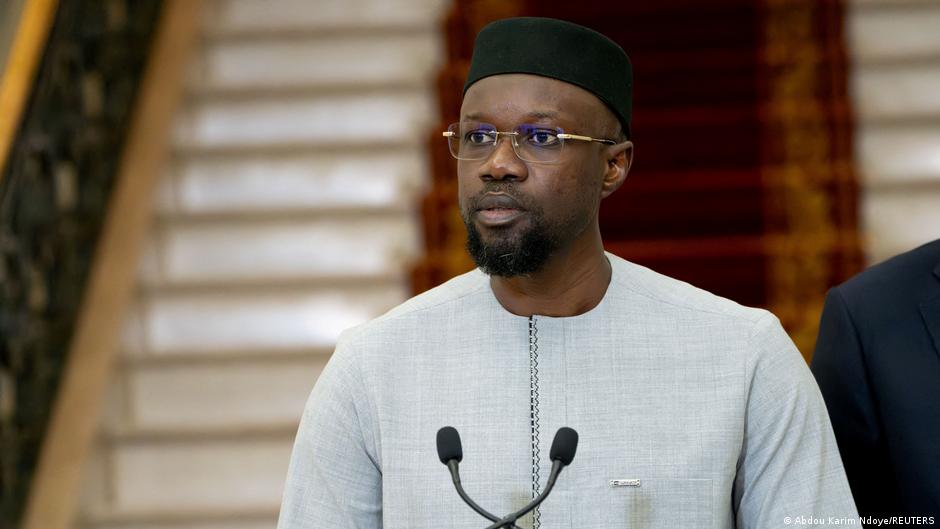
The Constitutional Council of Senegal delivered a sharp setback to Ousmane Sonko and his allies yesterday by rejecting the institutional reform bill pushed by the Pastef parliamentary majority. The decision, based on constitutional grounds, derails a key political initiative that aimed to reshape the balance of power among state institutions.
Introduced and swiftly adopted by the National Assembly, where the ruling party holds a comfortable majority, the reform sought to expand parliamentary oversight and create a new constitutional court. However, the Constitutional Council identified two major flaws: the absence of a dedicated funding mechanism for the future court and procedural irregularities during the review of government amendments.
President Bassirou Diomaye Faye personally referred the bill to the Council, underscoring the gravity of the dispute. The decision comes as a blow to Sonko’s agenda, further complicating his political positioning ahead of upcoming reforms.
political fallout and legal implications
Ousmane Sonko acknowledged the Council’s decision on social media, signaling recognition of the ruling. Meanwhile, presidential coalition supporters defended the legitimacy of state institutions and called for continued dialogue on reform efforts. Dr. Binette Ndiaye, coordinator of the Citizen Forum, praised the Council’s decision as a safeguard for democratic processes.
“As a member of civil society, I believe this decision deserves praise. From the outset, the reform lacked inclusivity and appeared to reflect one political party’s attempt to rewrite constitutional provisions without broad consultation or consensus. The Council’s intervention reminds us that even with a parliamentary majority, the voices of all citizens must be considered,” she stated.
tensions rise between Sonko and president faye
The decision arrives amid growing friction between Sonko and President Bassirou Diomaye Faye. Sonko, who was removed from the premiership in May, has since taken up the role of National Assembly president. Public statements from both figures increasingly highlight their differences in governance approach and vision for Senegal’s future.
Observers view the Council’s ruling as another chapter in the intensifying rivalry at the heart of Senegal’s government. The outcome could have lasting consequences for the country’s political stability and the trajectory of its democratic institutions.