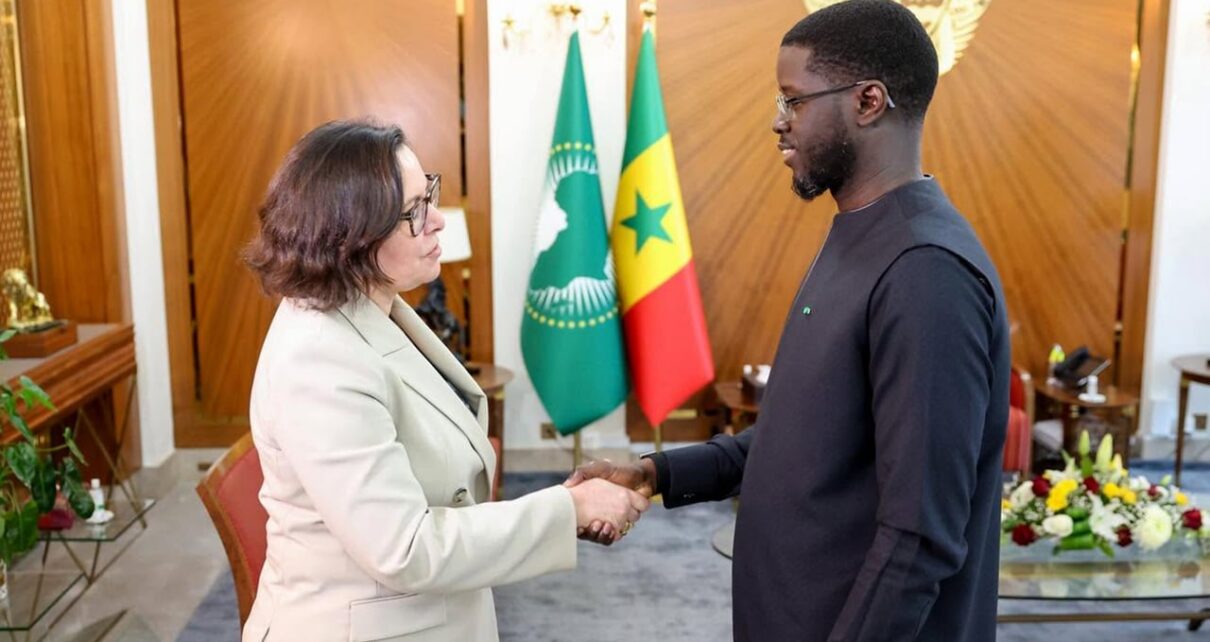

The International Monetary Fund’s recent mission to Senegal concluded this week after intensive talks in Dakar, yielding critical insights into the country’s debt trajectory and economic reforms. Led by Mission Chief Mercedes Vera Martin, the IMF delegation met with President Bassirou Diomaye Faye and key government officials to assess Senegal’s financial stability and debt management strategies.
Key agreements and policy shifts
During the five-day engagement, both parties reached several landmark agreements aimed at stabilizing Senegal’s debt profile. The IMF underscored the urgency of structural reforms to curb rising public debt, which has surged in recent years due to infrastructure investments and social spending. A central focus was the hidden debt scandal that has drawn international scrutiny, prompting calls for greater transparency in financial reporting.
Under the new framework, Senegal has committed to:
- Enhancing fiscal discipline by capping non-essential expenditures and prioritizing debt servicing
- Expanding revenue streams through tax reforms and combating tax evasion
- Strengthening governance in state-owned enterprises to prevent mismanagement
Immediate impact on Senegal’s economy
The discussions have already sparked reactions in Senegal’s economic circles. Analysts highlight that while debt levels remain a concern, the government’s proactive engagement with the IMF signals a commitment to reform. President Faye emphasized that these measures are designed to balance growth with fiscal responsibility, ensuring long-term sustainability without stifling development projects.
The IMF’s preliminary assessment suggests that Senegal’s debt-to-GDP ratio could stabilize by 2027 if reforms are implemented rigorously. However, challenges persist, particularly in managing contingent liabilities and off-balance-sheet obligations that have contributed to past fiscal pressures.
What’s next for Senegal?
The next steps involve detailed negotiations on a potential Extended Credit Facility (ECF) or similar program, which would provide financial support while enforcing reform benchmarks. The IMF team will return in March for a follow-up review, with progress milestones tied to disbursements.
For Senegalese citizens, the outcomes of these talks could mean tighter budgets in the short term but greater economic resilience in the long run. The government has pledged to prioritize social sectors even as it tightens its fiscal belt, aiming to protect vulnerable populations during the adjustment period.