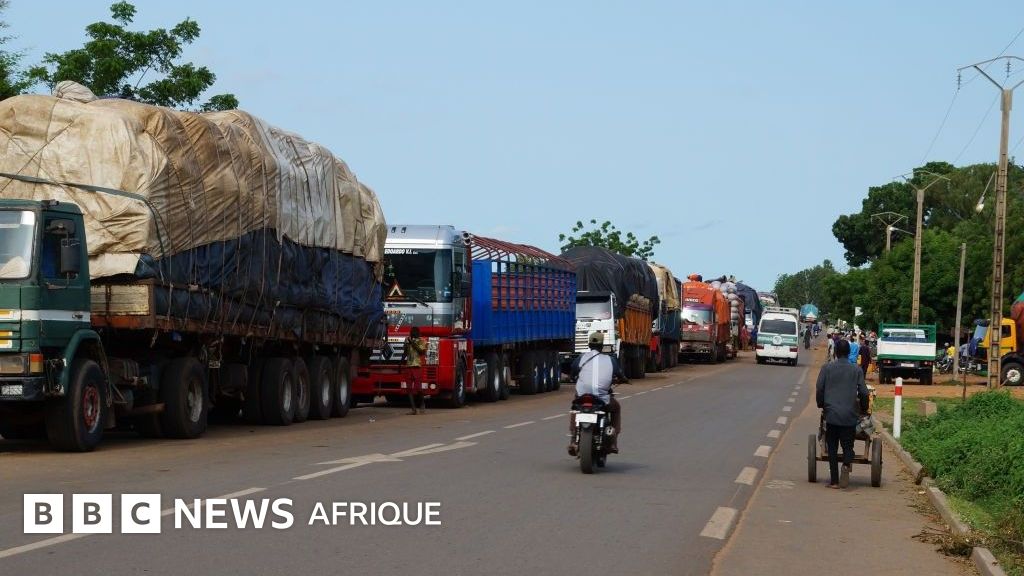
Niger and Benin move closer to reopening border after years of closure
After years of frozen relations and a closed border, Niger and Benin have taken a decisive step toward restoring cross-border cooperation.
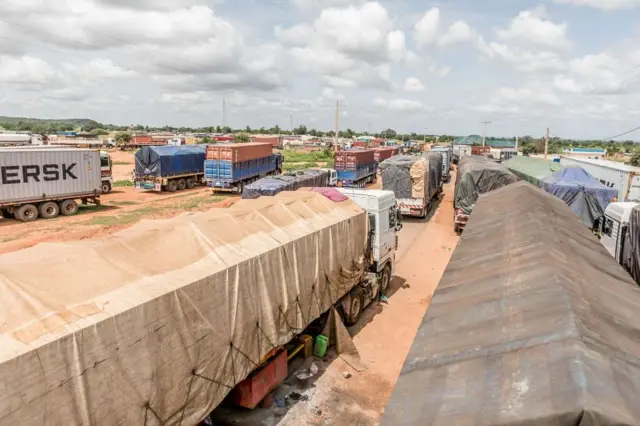
Following two days of intensive talks in Cotonou, delegations from both nations reached key agreements on security cooperation, transit regulations, and economic normalization. The breakthrough comes after three years of political and economic tensions that had left the shared border sealed and thousands of trucks stranded.
Key agreements shaping the border reopening
A high-level Nigerien delegation led by Interior Minister General Mohamed Toumba engaged in marathon negotiations with Beninese officials over the weekend. The talks culminated in several landmark decisions:
- Security collaboration: Strengthened joint border patrols and intelligence sharing to combat armed groups operating near the frontier
- Trade facilitation: Elimination of transit fees and streamlined customs procedures for goods passing between the two countries
- Legal harmonization: Establishment of a joint commission to resolve outstanding disputes and review existing trade agreements
- Market access: Clear guidelines on prohibited goods to prevent smuggling while ensuring legitimate trade flows
General Toumba emphasized the importance of dialogue, stating, “We have prioritized security while laying the foundations for economic and legal normalization. This approach will create value for our economies, safety for our people, and hope for our youth.”
Benin’s commitment to reconciliation
Beninese Industry and Trade Minister Oleshegun Adjadi Bakari described the talks as transformative. “After 48 hours of constructive dialogue, we emerge with a shared vision: to restore the historic bond between our peoples,” he noted. Both sides have agreed to submit the draft agreements to their respective governments for final approval in the coming weeks.
Romuald Wadagni: Architect of the Benin-Niger thaw

The recent breakthrough follows President Romuald Wadagni’s landmark visit to Niamey just one week after his inauguration in April. During that trip, the new Beninese leader met with Niger’s transitional President Abdourahmane Tiani, marking the first high-level contact since the 2023 coup in Niger.
Within three weeks of that meeting, both governments had established a joint commission to investigate the events leading to the border closure. The commission’s findings paved the way for the current negotiations, which aim to lift all remaining obstacles to bilateral cooperation.
Understanding the three-year standoff
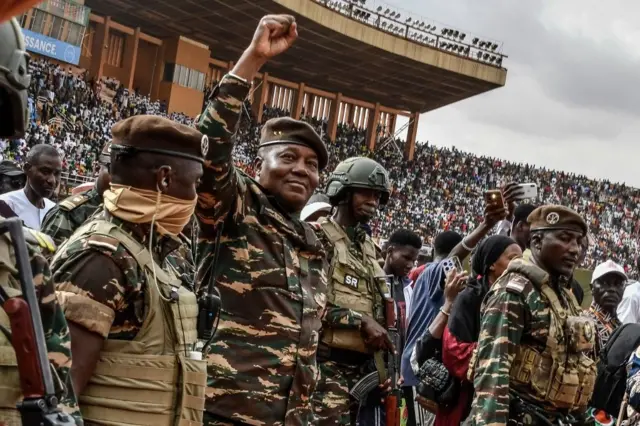
The border closure originated from the July 2023 coup in Niger, which saw General Abdourahmane Tiani take power after overthrowing President Mohamed Bazoum. The new military leadership accused Benin’s former president Patrice Talon and other West African leaders of plotting a military intervention to restore constitutional order, a claim both Cotonou and Paris consistently denied.
Niger’s junta repeatedly alleged that Benin hosted French troops preparing for an invasion, accusations that were firmly rejected by both Benin and France. The tensions escalated when ECOWAS imposed sanctions on Niger following the coup, including the closure of regional borders.
Further strain came from mutual accusations of supporting armed groups and coup plotters. In December 2023, Benin accused Niger of involvement in a failed coup attempt against President Talon, while Niamey pointed fingers at Cotonou for harboring opposition figures.
How the closure crippled economies on both sides
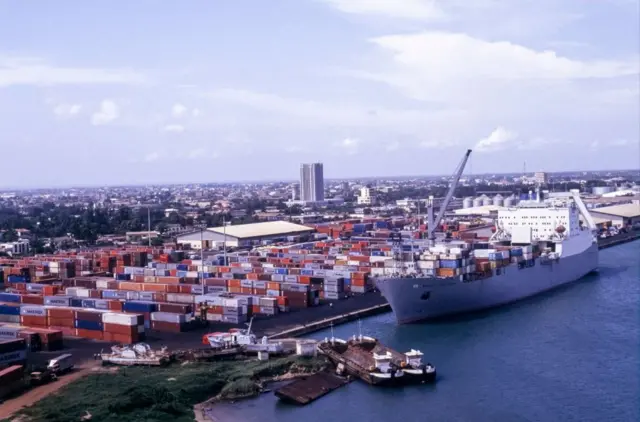
The political rift transformed one of West Africa’s busiest trade corridors into a major economic fracture. Truck drivers on both sides bore the brunt of the crisis, with entire convoys stranded for weeks at the closed border.
Niger, a landlocked nation, relies heavily on Benin’s Port of Cotonou for international trade. The prolonged closure forced a shift to the Port of Lomé in Togo, adding hundreds of kilometers to transport routes and exposing drivers to jihadist threats in Burkina Faso.
Ibrahim Abou Koura, a Nigerian transporter based in Cotonou, described the impact starkly: “My once-busy warehouse that processed goods for Nigerien cities now stands nearly empty.” The crisis particularly affected essential goods like cereals, leaving border communities struggling to access basic supplies.
For Benin, the closure meant losing a key transit hub for Nigerien oil via the 2,000km pipeline connecting Niger’s northeastern oil fields to the Seme-Kpodji terminal. The government had suspended oil loading permissions during the height of tensions, further straining economic ties.
Transport leaders confirm the Niger-Bénin corridor was the most efficient and cost-effective route for regional trade. Gamatie Mahamadou, Secretary-General of Nigerian truckers, noted that the alternative routes through Burkina Faso added significant costs and risks to already struggling businesses.