Senegal’s new government forms without pastef party participation
President Bassirou Diomaye Faye of Senegal unveiled his new government on Monday, June 1st, notably forming a cabinet without the involvement of his own party, Pastef. This move comes amid revelations of a “disagreement” between President Faye and Ousmane Sonko, the long-time associate and former Prime Minister who leads Pastef, concerning the composition of the new ministerial list.
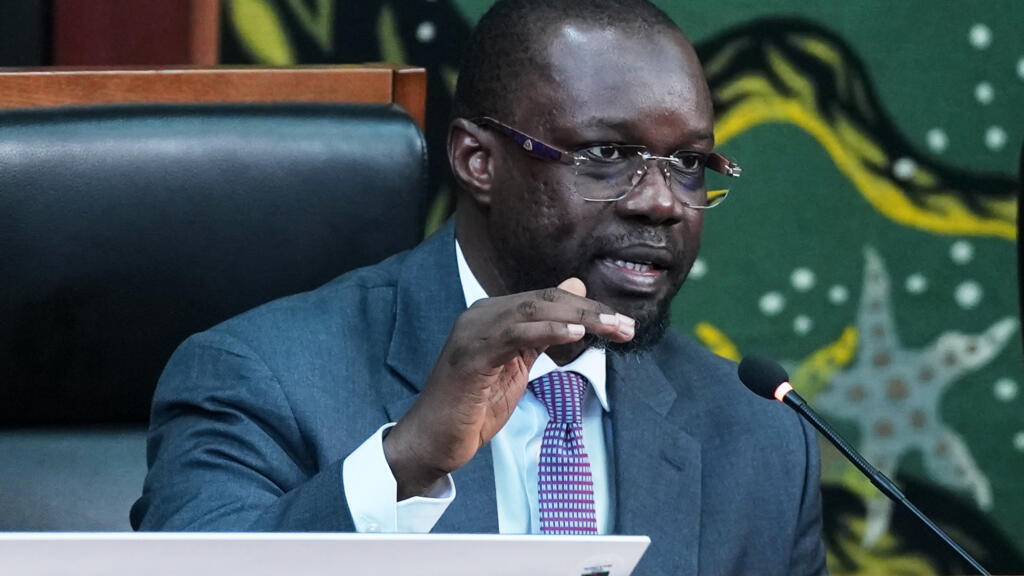
This significant cabinet announcement follows just twelve days after President Faye relieved Ousmane Sonko of his duties as Prime Minister. Sonko has since assumed the role of President of the National Assembly. The parting of ways between the two prominent political figures, after months of underlying tensions, has introduced a period of political uncertainty for Senegal, a nation already grappling with a serious financial crisis.
Ahmadou Al Aminou Mohamed Lô, who succeeded Ousmane Sonko as Prime Minister, presented the new roster of 30 ministers on Monday. This list conspicuously omits several high-ranking Pastef members who previously served in the outgoing administration.
Moments before the new government was unveiled, the Pastef leader, Ousmane Sonko, issued a statement on social media confirming his party’s decision not to participate. The statement detailed a “lengthy discussion” held that morning between President Faye and Sonko. While certain points of agreement were affirmed, the statement highlighted significant “points of disagreement,” particularly concerning the role and position of the majority within the executive framework.
The communiqué further elaborated that subsequent to a party meeting to discuss the outcome, fresh proposals were put forth to the President, but these did not receive a favorable response. Consequently, the statement concluded: “PASTEF – Les Patriotes will not be part of the upcoming government and will not be represented by any minister within it.”
This political turbulence unfolds as Senegal endeavors to navigate pressing economic challenges. These difficulties stem from a significant under-declaration of national debt by the previous government, discovered in 2024. As a result, the International Monetary Fund (IMF) suspended its $1.8 billion loan program to Senegal. By the close of 2024, the nation’s debt had escalated to 132% of its Gross Domestic Product. The Finance Minister indicated last month that Senegal intends to restart discussions with the IMF in the coming week, with hopes of reaching a consensus on key issues by June 30th.