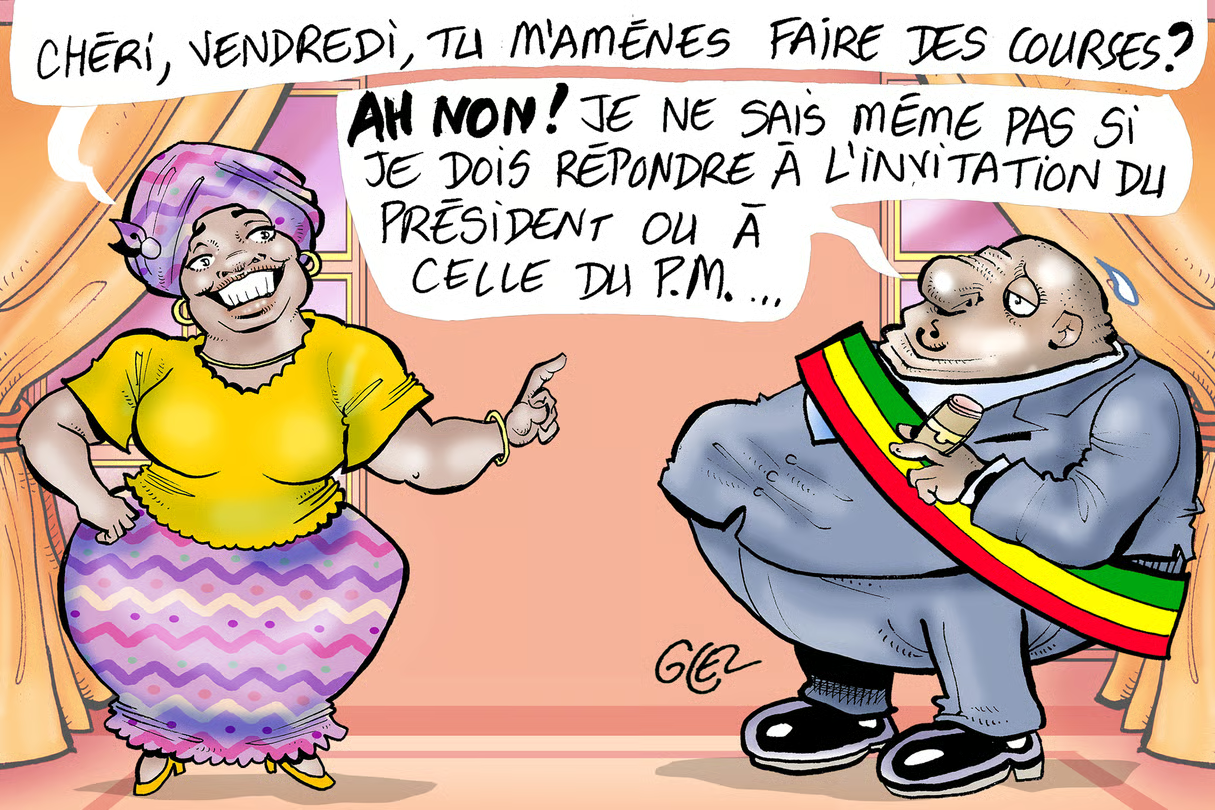
The political arena in Senegal is currently marked by a deepening divide between two prominent figures: President Bassirou Diomaye Faye and opposition leader Ousmane Sonko. Behind the scenes, a battle of dialogues and strategic negotiations is unfolding, shaping the nation’s future trajectory.
An ideological standoff rooted in Senegal’s future
The tension between Bassirou Diomaye Faye and Ousmane Sonko transcends mere political rivalry. At its core, this confrontation reflects opposing visions for Senegal’s development, governance, and societal values. While the President champions a reformist agenda aimed at addressing economic disparities and strengthening institutions, Sonko’s camp advocates for a more radical shift, prioritizing social justice and anti-corruption measures.
Dialogues that define the nation’s direction
Recent closed-door consultations between the two leaders have become the epicenter of national attention. These exchanges, often shrouded in secrecy, are critical in determining whether Senegal will move toward reconciliation or further polarization. Observers note that the outcomes of these discussions could either stabilize the political climate or exacerbate existing tensions.
Key themes in their debate
- Economic policies: Faye’s administration emphasizes fiscal responsibility and infrastructure investments, while Sonko pushes for wealth redistribution and grassroots economic empowerment.
- Governance reforms: The President’s team advocates for gradual institutional strengthening, whereas Sonko’s faction demands sweeping changes to curb perceived elite dominance.
- Social cohesion: Both leaders acknowledge the need for national unity, yet their approaches diverge—Faye leans toward inclusive dialogue, while Sonko rallies support through more confrontational rhetoric.
The stakes for Senegal’s democracy
The current political dynamic in Senegal is not just about personalities; it is about the very essence of its democracy. The ability of Faye and Sonko to find common ground—or their failure to do so—will set the tone for the country’s political stability in the years ahead. With public sentiment increasingly divided, the outcome of their negotiations carries immense weight for all citizens.
As the nation watches, the question remains: Will these two leaders bridge their differences, or will their clash of visions deepen the fractures within Senegalese society?