Senegal’s political shifts and global tensions in focus
This week’s edition examines Senegal’s evolving political landscape alongside escalating tensions in the Middle East and the implications for the 2026 World Cup.

Senegal’s political chessboard: presidential strategy under scrutiny
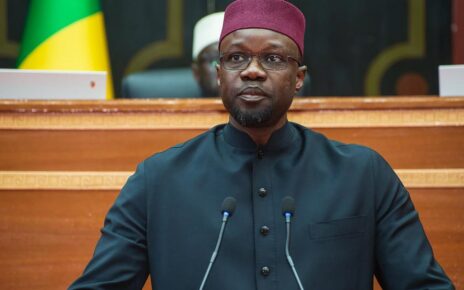
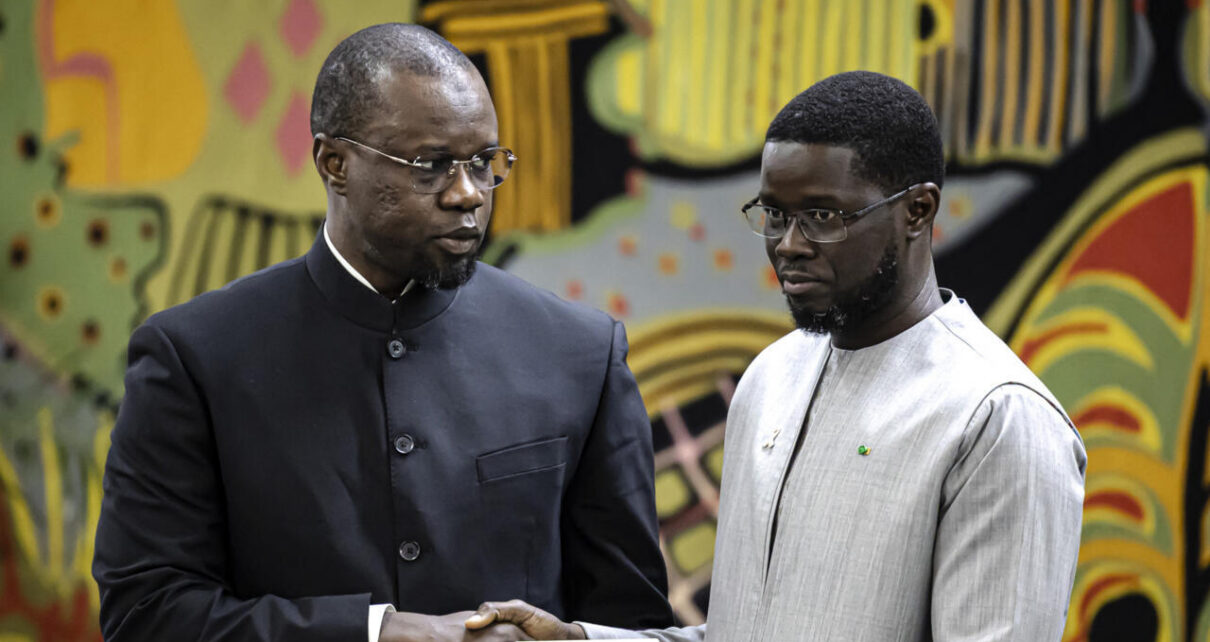
President Bassirou Diomaye Faye’s administration is at a crossroads following the establishment of a new ruling party and the constitutional council’s decision to invalidate a parliamentary reform spearheaded by the Pastef majority, led by Ousmane Sonko. The move has sparked questions about the government’s long-term strategy and its ability to secure public support. Can this political gambit unite the opposition and rally Senegalese citizens behind a shared vision?
Middle East tensions: is a wider conflict inevitable?
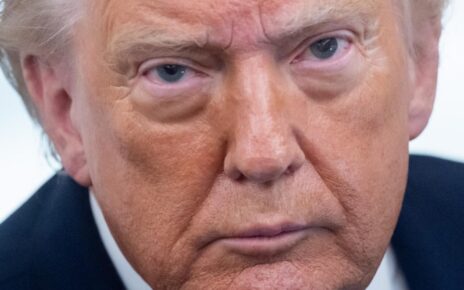
Meanwhile, the Middle East remains a powder keg. Recent retaliatory strikes between Iran and its adversaries have pushed the region to the brink once more. With former US President Donald Trump declaring the ceasefire “over” and dismissing negotiations with Tehran as a “waste of time,” the specter of further military escalation looms large. Is the world witnessing the prelude to a broader regional confrontation?
Global spotlight: Senegal’s role in the 2026 World Cup
As football fever grips the globe, Senegal’s preparations for the 2026 FIFA World Cup take center stage. The nation’s sporting ambitions intertwine with its political and social dynamics, adding layers of complexity to an already eventful period for the country.
This week’s contributors
- Wuldath Mama, Beninese journalist specializing in international affairs
- Eric Topona, journalist with Deutsche Welle’s Francophone Africa desk
- François Hiondi Nkam, chief economics reporter at Cameroon’s Le Jour newspaper