Senegal’s evolving political landscape amid Middle East unrest and global events
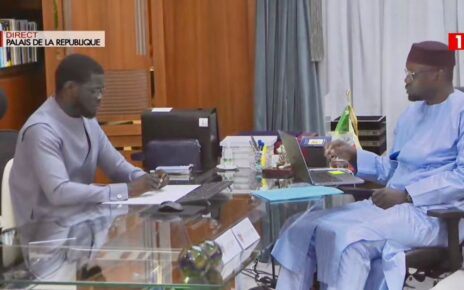
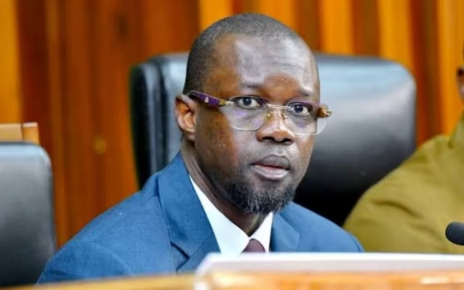
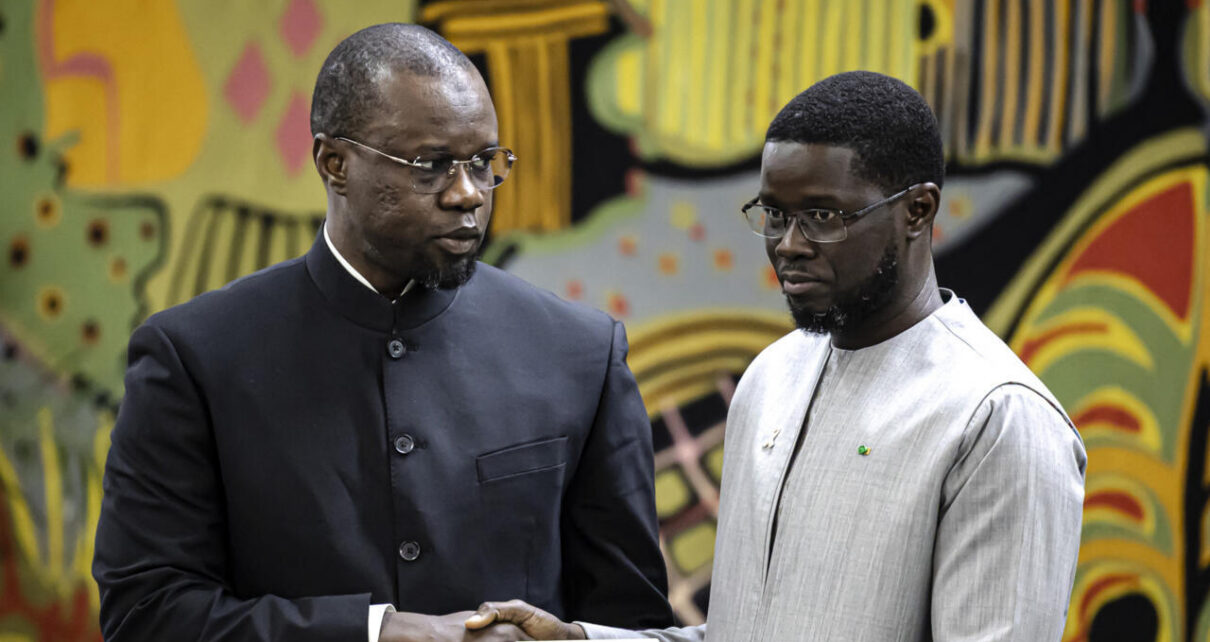
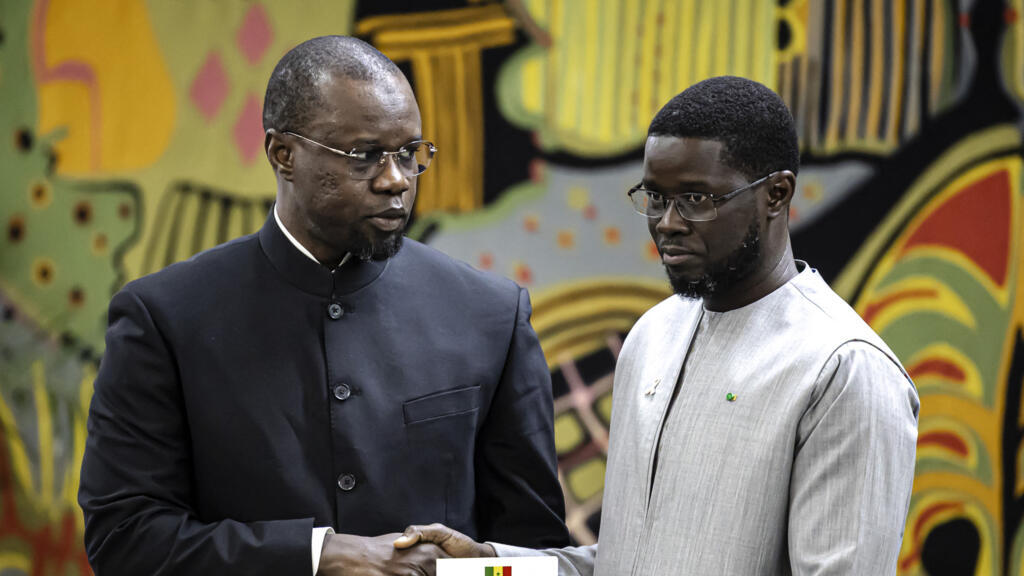
As Senegal navigates a critical phase in its political evolution, key developments are reshaping the nation’s trajectory. The recent establishment of a presidential party and the constitutional reform overturned by the Constitutional Council—following a parliamentary majority led by Ousmane Sonko—have set the stage for a pivotal moment in President Bassirou Diomaye Faye’s administration. Will this strategic pivot succeed in bridging divides with the opposition and winning over public support?
Global instability and its ripple effects
Meanwhile, the Middle East remains a powder keg of instability. Fresh escalations in tensions involving Iran have triggered a fresh wave of retaliatory strikes and counterattacks. Donald Trump’s latest declaration that the ceasefire is over and his dismissal of negotiations with Tehran as a waste of time signal a dangerous shift toward heightened military action. Could this signal the beginning of a broader conflict?
African perspectives on world affairs
Every week, leading African journalists and analysts dissect the continent’s most pressing issues alongside global developments. This week’s panel brings together voices from across the region:
- Wuldath Mama, Beninese journalist and international affairs specialist
- Eric Topona, Chadian correspondent for Deutsche Welle’s Francophone Africa desk
- François Hiondi Nkam, veteran reporter and Economics Editor at Cameroon’s *Le Jour*
Together, they examine Senegal’s political maneuvers, the implications of Middle East unrest, and the broader geopolitical landscape as the world gears up for the 2026 FIFA World Cup.