This week’s African debate takes a deep dive into two critical fronts: the evolving political landscape in Senegal and the escalating tensions in the Middle East, with a special focus on the upcoming FIFA World Cup 2026.
Senegal: navigating constitutional reforms and opposition challenges
The political arena in Senegal is heating up as President Bassirou Diomaye Faye pushes forward with a bold agenda, marked by the formation of a new presidential party. This strategic move comes on the heels of a significant setback: the Constitutional Council’s decision to invalidate the constitutional reform passed by the parliamentary majority led by Ousmane Sonko’s Pastef party. The president’s next steps are now under intense scrutiny. Will his initiatives succeed in bridging divides with the opposition and winning over the broader Senegalese public?
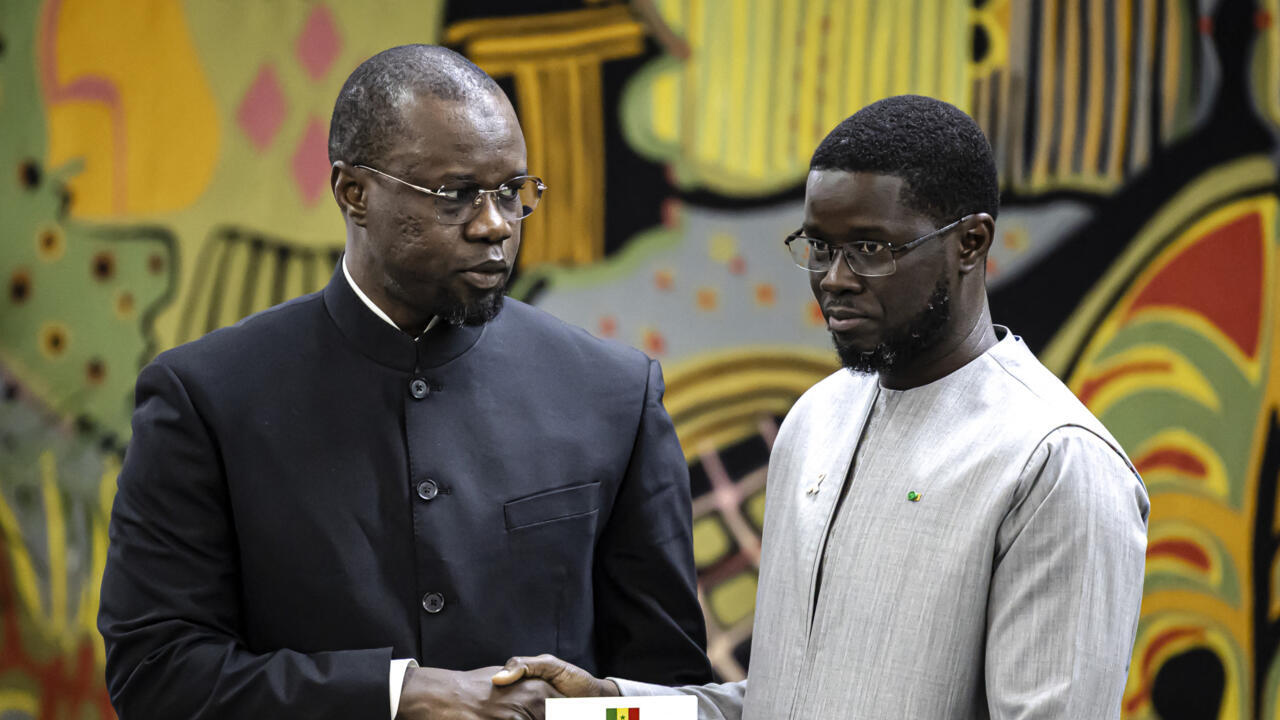
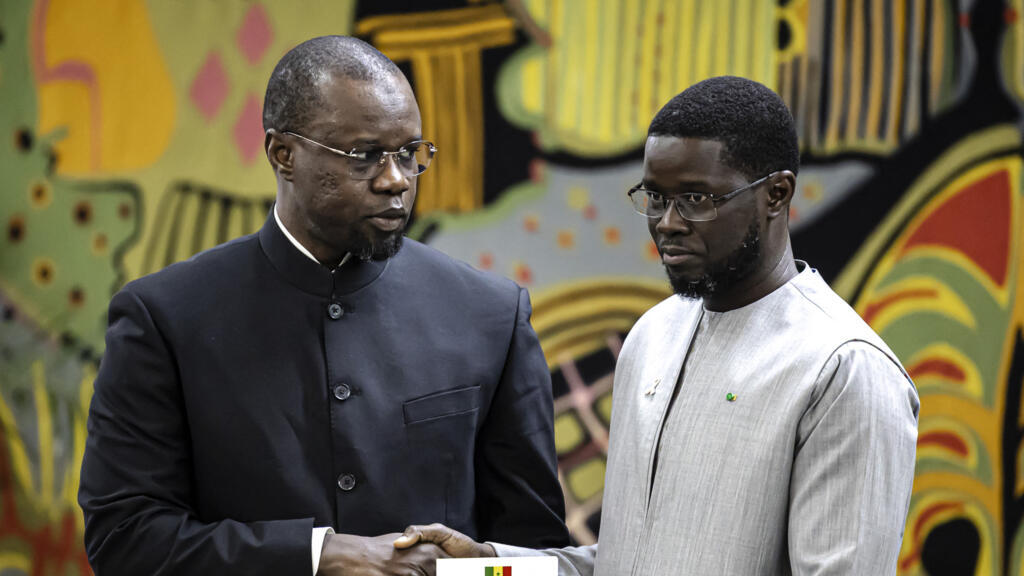
The image below captures a pivotal moment: a meeting between Ousmane Sonko, former Prime Minister, and President Bassirou Diomaye Faye at the presidential palace in Dakar on October 16, 2025. Their discussions, though framed in diplomacy, symbolize the complex interplay of power and reform in the country.
Middle East tensions: a rising tide of uncertainty
The geopolitical climate in the Middle East is growing increasingly volatile. Recent strikes and counterstrikes have prompted Donald Trump to declare that the ceasefire is effectively “over.” His dismissal of negotiations with Tehran as a “waste of time” signals a potential shift toward aggressive military posturing. As the region teeters on the brink, is a fresh wave of conflict inevitable?
Expert voices shaping the conversation
Each week, this platform brings together leading African journalists and analysts to dissect pressing issues across the continent and beyond. Their insights provide clarity on the most complex challenges facing Africa today.
- Wuldath Mama, a Beninese journalist renowned for her expertise in international affairs.
- Eric Topona, a journalist with the Deutsche Welle Africa desk, covering francophone Africa.
- François Hiondi Nkam, a senior reporter and head of the Economy desk at Le Jour newspaper in Cameroon.
Their combined perspectives offer a nuanced understanding of the forces at play in both Senegal and the Middle East, as well as the broader implications for World Cup 2026.