Cameroon’s digital generation: balancing opportunity and danger on social media
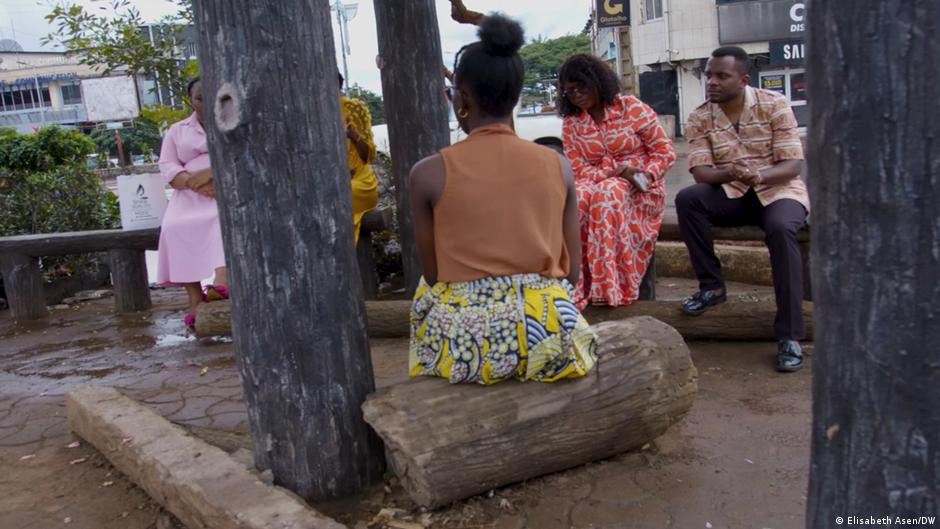
The rise of social media in Cameroon has reshaped lives—sometimes for the better, often with hidden costs. Young Cameroonians increasingly rely on platforms like WhatsApp, Facebook, TikTok and Twitter not just for connection but for survival: to find jobs, launch businesses, learn skills and make their voices heard. Yet behind the glimmer of opportunity lies a darker side: misinformation, privacy breaches, scams and social divides that threaten both individuals and the economy. In recent public discussions, young entrepreneurs, activists and educators spoke openly about the dual nature of their digital lives—what works, what fails, and what must change to protect a generation caught between progress and peril.
From empowerment to exploitation: the double face of social media in Cameroon
On the surface, Cameroon’s social media landscape is thriving. Small business owners in Yaoundé, freelancers in Douala and student influencers across the country use Instagram and TikTok to sell goods, share tutorials and build personal brands. For many, these platforms have become micro-economies—no rent, no middleman, just direct access to thousands of customers. Some have turned side hustles into full-time careers, earning thousands of dollars monthly through affiliate marketing or sponsored content. But not all that glitters is gold.
Behind the success stories are accounts of young people falling victim to clickbait scams, identity theft and viral disinformation. Studies show that over 60% of Cameroonian youth have encountered false news online, often targeting them with inflammatory political or religious content. The spread of fake job offers and fraudulent investment schemes has left many in financial ruin. Worse still, deepfake videos and manipulated images are being used to blackmail students and young professionals, threatening reputations and mental health.
Economic fallout: when digital scams hit home
For small businesses, social media isn’t always the great equalizer. Many report losing thousands in fake payment transactions or “ghost customers” who vanish after placing orders on Facebook Marketplace. Artisans and food vendors in regional hubs like Bafoussam and Bamenda say they’ve had to close accounts after repeated scams. Meanwhile, national courier services report a spike in complaints related to undelivered goods sold via online ads—costing families savings and trust in digital commerce.
Education vs. entertainment: what young Cameroonians actually consume online
A growing concern among educators and parents is the erosion of educational content in favor of short-form, viral entertainment. Survey data from youth advocacy groups reveals that nearly 70% of teens spend more than three hours daily on TikTok or Reels, with most content focused on dance challenges, comedy skits and influencer lifestyles. While educational creators exist, they rarely reach the same audience reach due to algorithmic bias toward high-engagement content. This shift has led to a decline in reading habits, analytical skills and even exam performance among secondary school students.
“Before, students used to seek out tutorials or knowledge-based accounts,” says a teacher from Limbe. “Now, they’re more interested in who wore what dress or which TikToker made them laugh last night.” The result? A generation boosted in creativity but lagging in critical thinking—the exact skills needed to resist manipulation and build sustainable careers.
Breaking the cycle: calls for digital literacy in Cameroon
Amid growing concern, civil society groups and tech entrepreneurs are pushing for mandatory digital literacy programs in schools. Proposed initiatives include:
- Media literacy courses: Teach students how to verify sources, detect deepfakes and spot sponsored disinformation.
- Safe online behavior workshops: Cover privacy protection, password hygiene and recognizing fake influencers.
- Entrepreneurial training: Guide young creators on monetizing content ethically without compromising integrity.
- Parent-teacher toolkits: Equip families with guidelines to monitor screen time and model responsible social media use.
“These platforms can be tools for change,” says one youth leader from Douala. “But without education, they become a trap. We don’t want to raise a generation that knows how to scroll but not how to think.”
The way forward: regulation, responsibility and resilience
As Cameroon’s digital economy grows, so does the urgency for balanced regulation. Advocates are calling on telecom regulators and platform companies to:
- Implement local reporting mechanisms for scams and abusive content.
- Support flagging systems tailored to Cameroonian languages and cultural contexts.
- Collaborate with schools to integrate digital citizenship into national curricula.
- Promote positive content creators who prioritize education and community uplift over viral fame.
The future of Cameroon’s youth may well depend on their ability to harness social media without falling prey to its dangers. While platforms offer unprecedented freedom and opportunity, unchecked use risks eroding trust, safety and economic stability. The question now isn’t whether social media will continue shaping Cameroon—but how it will be shaped, by whom, and at what cost to a generation that deserves both connectivity and protection.