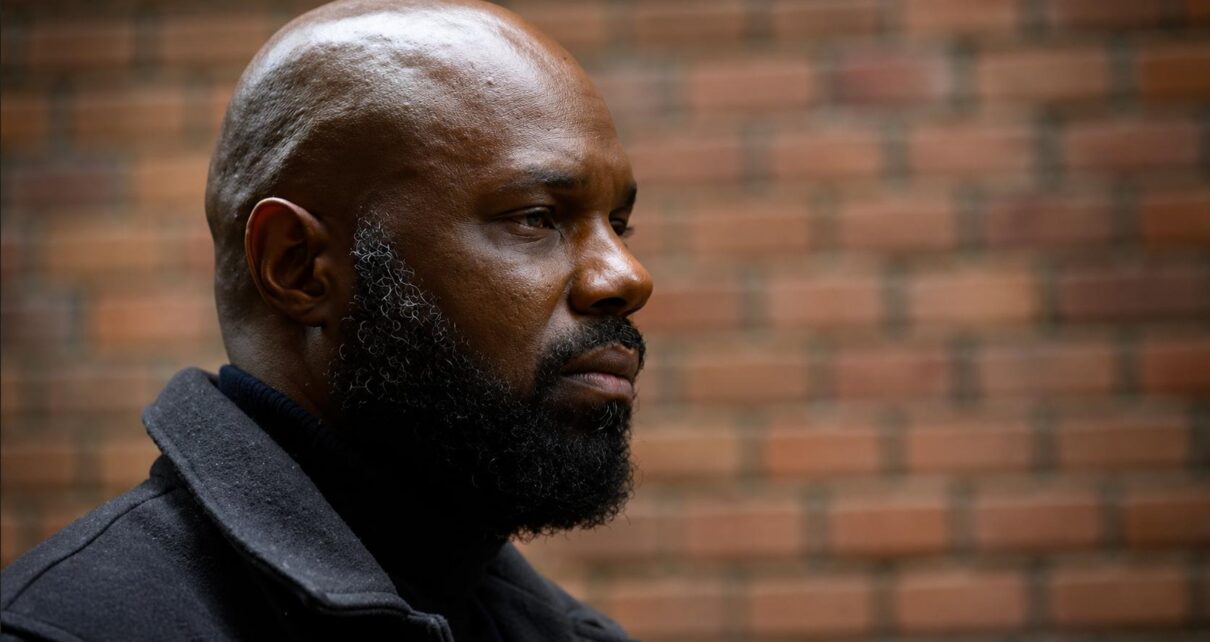
The judicial proceedings against Kémi Séba in South Africa hit an unexpected roadblock when an infrastructure failure disrupted the entire process. The Pretoria court session to review his extradition status and asylum request was abruptly halted after a blackout struck the detention facility where he is held.
Without electricity, prison authorities could not safely extract the activist from his cell or transport him to the courtroom, forcing the judge to postpone the hearing on the spot. This technical breakdown exposed the vulnerabilities of South Africa’s correctional system, where frequent power disruptions—commonly referred to as loadshedding—can paralyse essential security systems.
Power failure cripples courtroom access
Accessing Kémi Séba was impossible due to the outage. Automatic gates, biometric verification systems, and surveillance equipment—all reliant on a steady power supply—failed to operate. Even secure video conferencing, a potential alternative, became unviable without backup energy sources. As a result, the courtroom remained empty, and the hearing was rescheduled.
The delay adds another layer of uncertainty to an already tangled legal situation. With no physical presence required for the proceedings, Kémi Séba remains confined while the judicial system grapples with logistical and legal hurdles.
Legal limbo continues for activist
Despite the postponement, key aspects of the case remain unresolved:
- Detention status: Kémi Séba stays in custody, awaiting a new court date without any change in his detention conditions.
- Extradition review: The Cour de répression des infractions économiques et terroristes (CRIET)’s extradition request to Bénin is still pending, delayed once again by the technical setback.
- Asylum appeal: His application for political asylum in South Africa has also been deferred, leaving his future legal standing unresolved.
The court has rescheduled the hearing for September 23, 2026, giving authorities additional time to prepare and address potential power supply challenges.